
Mauritius
Mauritius: Land of Harmony and Heritage
Turquoise lagoons, multicultural cities, colonial sugar heritage, and one of the Indian Ocean’s most sophisticated island destinations.
Mauritius is a small island nation in the Indian Ocean, about 2,000 kilometers off the southeastern coast of Africa. It is one of Africa’s most prosperous countries, with a stable democracy, a diversified economy, and a standard of living that significantly exceeds most of the continent.
The island’s combination of beautiful beaches, multicultural population, excellent food, and well-developed tourism infrastructure has made it one of the most popular Indian Ocean destinations in the world.
Mauritius was uninhabited when Arab sailors first visited in the 9th century. It was subsequently settled by the Dutch, French, and British, each of whom left lasting marks on the island’s culture, landscape, and population. The abolition of slavery brought indentured workers from India, China, and Madagascar, creating the extraordinary cultural mix that defines Mauritius today.
Why Visit Mauritius
The beaches are the primary reason most visitors come, and they deliver consistently. The coral reefs that surround much of the island protect the lagoons from ocean swells, creating calm, clear, turquoise water that is ideal for swimming, snorkeling, and diving.
The west coast around Flic en Flac and Le Morne has the most reliably calm conditions. The east coast, more exposed to trade winds, is better for kitesurfing and windsurfing. The north has a livelier tourism scene with a range of accommodation and restaurants.
Le Morne Brabant, a basalt peninsula on the southwestern coast, is both a UNESCO World Heritage Site and one of the most dramatic natural features in Mauritius. The mountain that rises from it was used as a refuge by escaped slaves in the 18th century, and its historical significance adds depth to its visual beauty.
The interior of the island is less visited but genuinely interesting. The Black River Gorges National Park covers the last significant remnant of native Mauritian forest and is home to several bird species found nowhere else, including the Mauritius kestrel, which was brought back from the brink of extinction in one of the most successful conservation projects in history.
Port Louis, the capital, is a city of genuine character. The Central Market is one of the most atmospheric markets in the Indian Ocean, with an extraordinary variety of spices, street food, and everyday goods. The Aapravasi Ghat, a UNESCO World Heritage Site, was the landing point for the hundreds of thousands of indentured workers who came to Mauritius after the abolition of slavery.
The museum here tells that story with care and depth. The Champs de Mars, the oldest horse-racing track in the Southern Hemisphere, is active and beloved.
Chamarel is a small plateau in the southwest with two notable attractions. The Seven Coloured Earths is a dune of volcanic soil in seven distinct colors ranging from red to violet. The Chamarel waterfall drops 100 meters into a gorge below. The area around Chamarel is also home to the Chamarel rum distillery, one of several Mauritian rum producers, and the island’s rum and rhum agricole tradition is worth exploring.
Mauritian Food and Culture
Mauritian cuisine is one of the most interesting and varied in the Indian Ocean region, reflecting the island’s multicultural heritage. Dholl puri, a flatbread made from ground yellow split peas, filled with curry and pickled vegetables, is the most popular street food and something of a national institution. Mine bouilli, a noodle soup with Chinese roots, is eaten for breakfast. Biryani, roti, dal, and curry reflect the Indian heritage. Gateaux piments, fried chili fritters, are found at every street food stall.
The multicultural nature of the population, which includes people of Indian, Creole, Chinese, and European descent, is one of the most interesting aspects of Mauritian society. Multiple religions coexist: Hinduism, Islam, Christianity, and Buddhism all have active communities.
Practical Travel Tips for Mauritius
Citizens of most countries do not need a visa to visit Mauritius for stays up to 90 days. The official language is English, though Mauritian Creole and French are the languages of everyday life. The Mauritian rupee is the currency. The best time to visit is May to December, avoiding the cyclone season from January to March. Direct flights are available from Europe, Africa, and Asia.
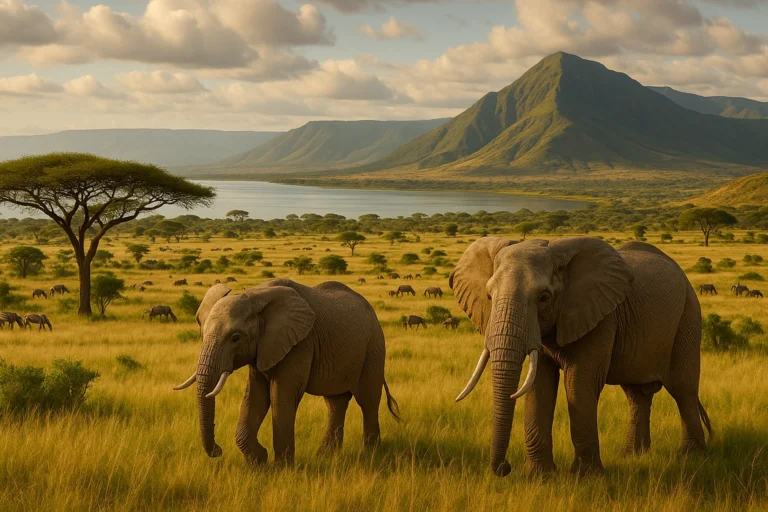 Kenya
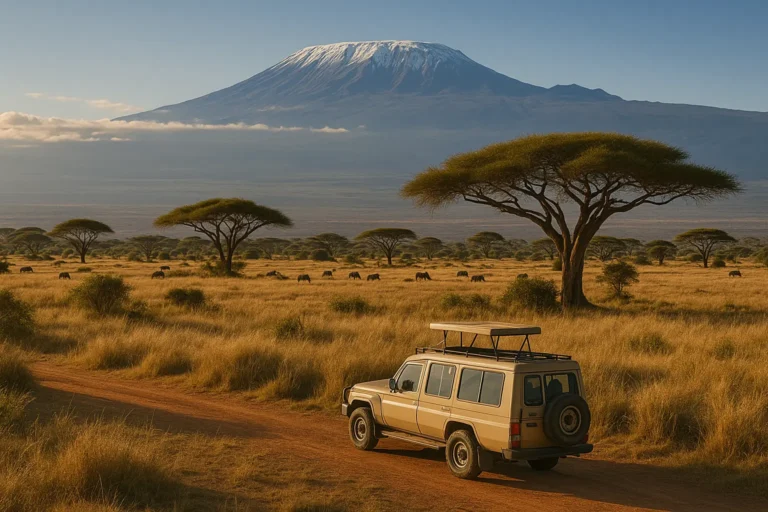 Tanzania
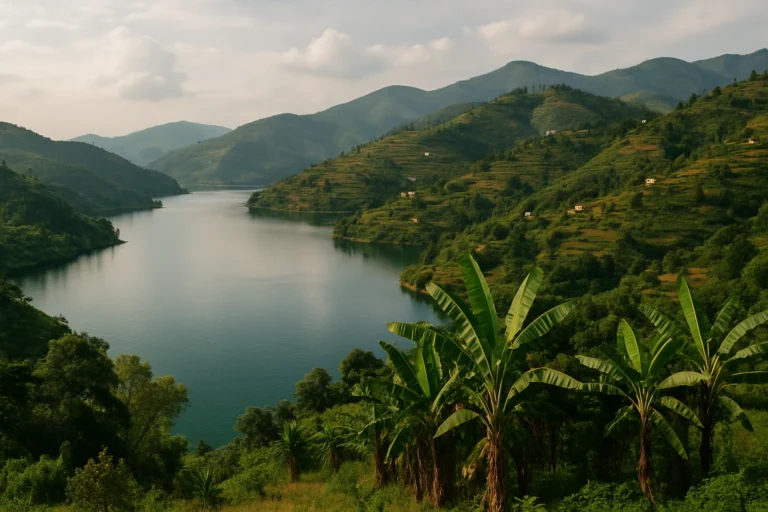 Burundi
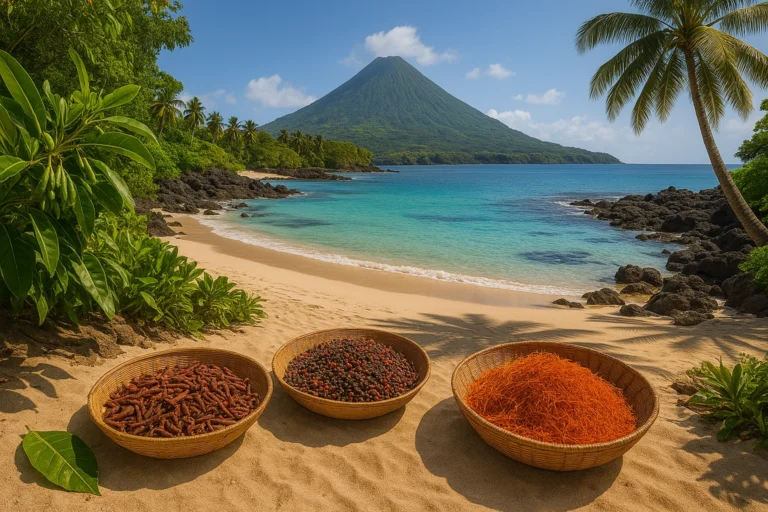 Comoros
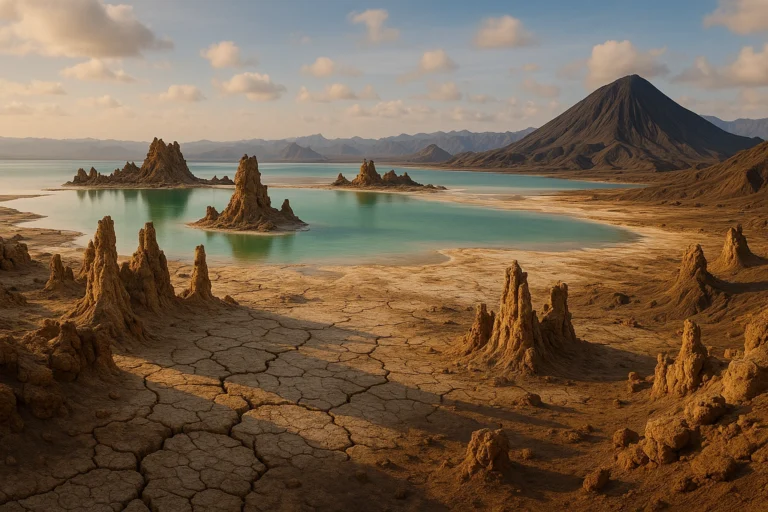 Djibouti
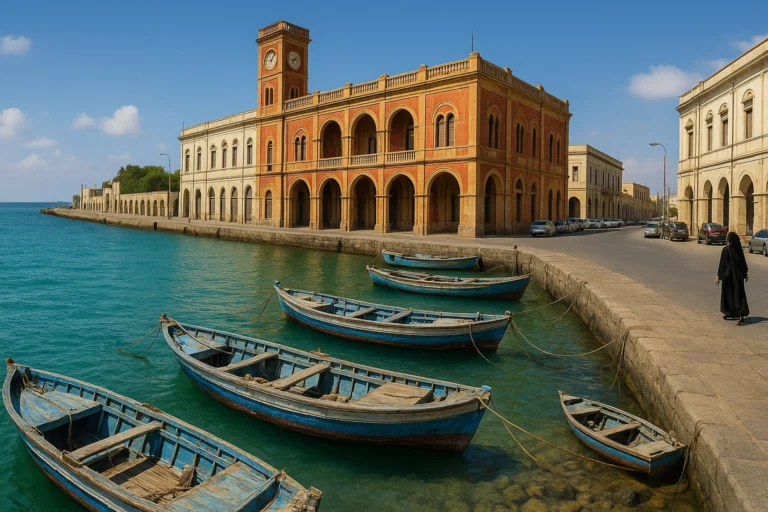 Eritrea