
Tanzania
Tanzania: Land of Natural Wonders and Cultural Richness
Home to the Serengeti, Kilimanjaro, Zanzibar, and some of the most spectacular wildlife and landscapes anywhere in the world.
Tanzania sits on the East African coast, bordered by Kenya and Uganda to the north, Rwanda, Burundi, and the Democratic Republic of Congo to the west, and Zambia, Malawi, and Mozambique to the south. The Indian Ocean coastline to the east, with the island of Zanzibar just offshore, completes a geographical picture of extraordinary variety.
Tanzania is widely regarded as one of the top safari destinations in the world, and the numbers justify that reputation. The Serengeti alone covers 14,763 square kilometers of open savanna, hosting one of the largest concentrations of land mammals on earth.
The Ngorongoro Crater is the world’s largest intact volcanic caldera and functions as a natural wildlife enclosure with extraordinary density of predators and prey. The Selous Game Reserve and Ruaha National Park in the south are vast and far less visited, offering a genuine wilderness experience.
Why Visit Tanzania
The Great Migration is the most compelling single reason people plan trips to Tanzania. Roughly 1.5 million wildebeest, along with hundreds of thousands of zebra and gazelle, move in a continuous clockwise circuit between the Serengeti and Kenya’s Maasai Mara.
The calving season in the southern Serengeti runs from January to March, when the plain fills with newborn animals and the predators that follow them. The river crossings, when the herds brave the Mara and Grumeti rivers, happen between July and October. Both experiences are unforgettable.
Beyond the migration, the Ngorongoro Crater is a destination in its own right. The crater floor hosts one of the highest densities of lions in Africa, along with black rhinos, which have been largely lost from most other parts of the continent. Flamingos color the soda lake at the crater’s center pink. Elephants move through forests on the crater walls. It is one of those places that consistently exceeds expectations.
Zanzibar adds a completely different dimension to any Tanzania trip. This Indian Ocean island has a Swahili and Arab history that produced one of the most beautiful old towns in East Africa. Stone Town, the historic center of Zanzibar City, is a UNESCO World Heritage Site with carved wooden doors, narrow winding streets, mosques, and former slave markets that tell a complex and important history.
The beaches around the island, particularly in the north and east, are genuinely spectacular, with white sand, turquoise water, and excellent diving on the surrounding reefs.
Mount Kilimanjaro is Africa’s highest peak at 5,895 meters and the world’s highest free-standing mountain. It is one of the most accessible high-altitude climbs in the world because no technical climbing skills are required. Several routes lead to the summit, with the Marangu and Machame routes being most popular. The climb typically takes five to eight days depending on the route, and acclimatization is the key factor in success.
Top Places to Visit in Tanzania
The Serengeti is the centerpiece of most Tanzania itineraries. Different areas of the park offer different experiences depending on the season, and the park is large enough that choosing where to base yourself matters.
The Ngorongoro Crater and the surrounding Conservation Area combine remarkable wildlife with Maasai communities and the Olduvai Gorge, where some of the earliest hominid fossils ever found were excavated.
Zanzibar and the Spice Islands are perfect for relaxing after a safari. Stone Town is worth at least two days. The spice tours, dhow sailing trips, and snorkeling excursions make the island genuinely interesting rather than just a beach stop.
Travel Tips for Tanzania
Most nationalities need a visa to enter Tanzania, available online via e-visa or on arrival. The official languages are Swahili and English. The Tanzanian shilling is the currency.
Yellow fever vaccination is required if arriving from a country with risk. Malaria prevention is strongly recommended. The best time for wildlife viewing in the northern circuit is the dry season from June to October and the short dry season in January and February.
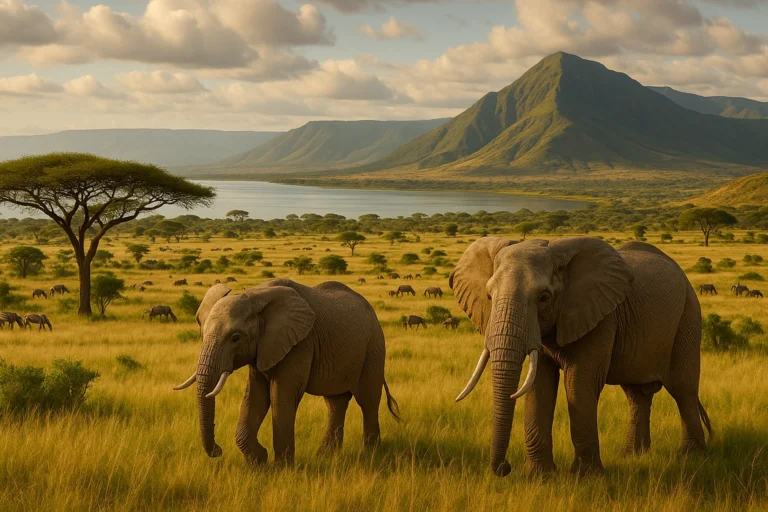 Kenya
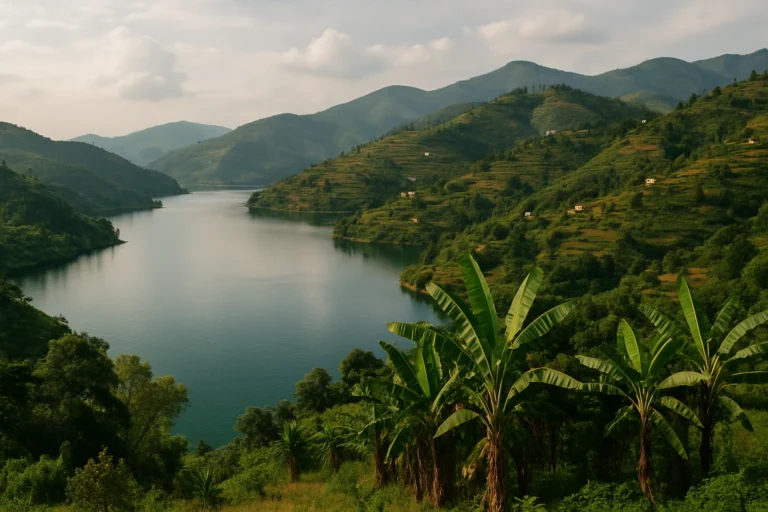 Burundi
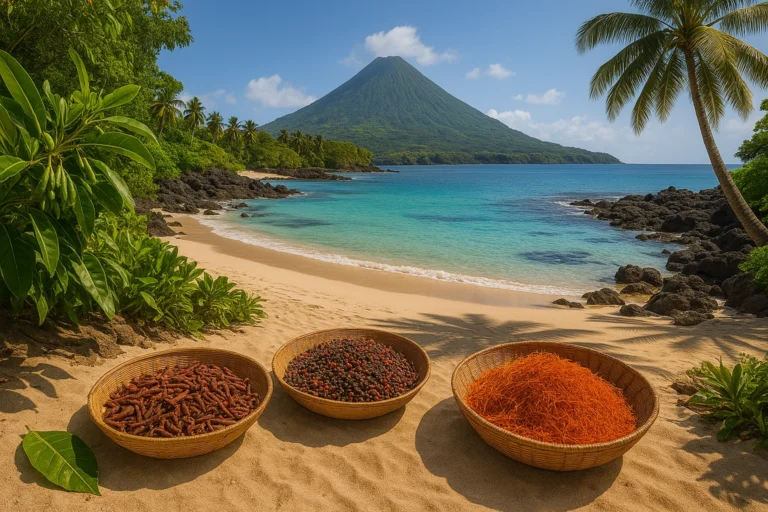 Comoros
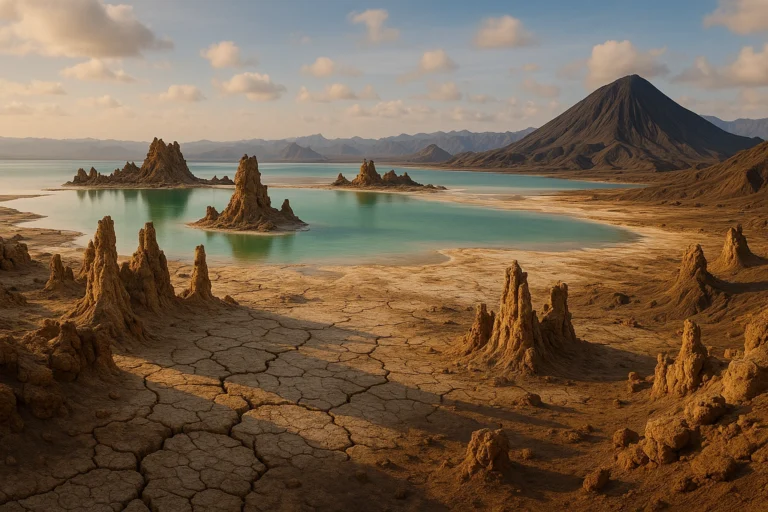 Djibouti
 Eritrea
 Ethiopia