
Rwanda
Rwanda: Land of Hills and Resilient Heritage
One of Africa’s most remarkable transformation stories, combining gorilla trekking, stunning highland scenery, and a country moving forward with extraordinary purpose.
Rwanda is a small, landlocked country in Central Africa, bordered by Uganda to the north, Tanzania to the east, Burundi to the south, and the Democratic Republic of Congo to the west. It is one of the most densely populated countries in Africa and one of the most elevated, earning its nickname “Land of a Thousand Hills” from the rolling green highlands that cover most of its terrain.
Rwanda is widely known for the devastating 1994 genocide in which approximately 800,000 people, primarily Tutsi, were killed in 100 days. The country has since undertaken one of the most studied and discussed national reconciliation processes in modern history, and understanding what happened in 1994 and how Rwanda has responded is an important part of engaging with the country seriously as a traveler.
Today Rwanda is one of the cleanest, safest, and best-organized countries in Africa. Kigali consistently ranks as one of the most livable cities on the continent. The country has invested heavily in conservation and sustainable tourism, and it is home to one of the most sought-after wildlife experiences in the world.
Why Visit Rwanda
Mountain gorilla trekking in Volcanoes National Park is the primary reason most international visitors come to Rwanda, and it is an experience that lives up to its reputation. Rwanda is home to roughly half of the world’s remaining mountain gorilla population, which numbers approximately 1,000 individuals. Permits to trek with one of the gorilla families are limited, strictly controlled, and significant in cost, which keeps visitor numbers low and funds conservation directly.
The experience of trekking through dense vegetation on the slopes of the Virunga Volcanoes, then spending an hour sitting quietly in the presence of a gorilla family, is one of the most profound wildlife encounters available anywhere on earth. Mountain gorillas are enormously powerful animals that share roughly 98 percent of their DNA with humans, and the sense of connection when you make eye contact with one is not easy to put into words.
The Kigali Genocide Memorial is the most visited site in the capital and one of the most important memorials in Africa. It holds the remains of more than 250,000 genocide victims and presents the history of what happened with care and clarity. It is a difficult visit but a necessary one for anyone who wants to understand Rwanda.
Nyungwe Forest National Park in the southwest is one of the oldest rainforests in Africa and one of the best places on the continent for chimpanzee tracking and canopy walks. The park has extraordinary biodiversity, including more than 1,000 plant species and 300 bird species.
Lake Kivu, on the border with the DRC, is one of Africa’s Great Rift Valley lakes and a beautiful place to spend a day or two. The town of Gisenyi in the north is a pleasant lakeside resort town, and the lake itself is clear and swimmable, unlike many African lakes.
Kigali is genuinely impressive as an African capital. It is clean, well-organized, and has a growing food and hospitality scene. The Inema Arts Center is a significant creative hub. The Sunday community work program called Umuganda, in which citizens gather on the last Saturday of each month for community service, is a fascinating social institution to learn about and sometimes observe.
Travel Tips for Rwanda
Rwanda offers an e-visa online for most nationalities. The official languages are Kinyarwanda, French, and English. English is now widely spoken following Rwanda’s shift toward an English-language education system. The Rwandan franc is the currency.
Yellow fever vaccination is required. Malaria prevention is recommended. The country is one of the safest in Africa. Gorilla permits must be booked well in advance through the Rwanda Development Board. The best time to visit for gorilla trekking is the dry seasons from June to September and December to February.
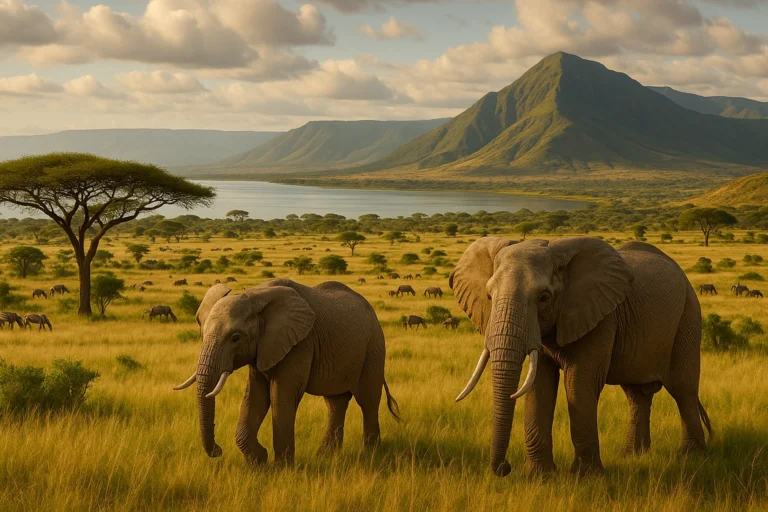 Kenya
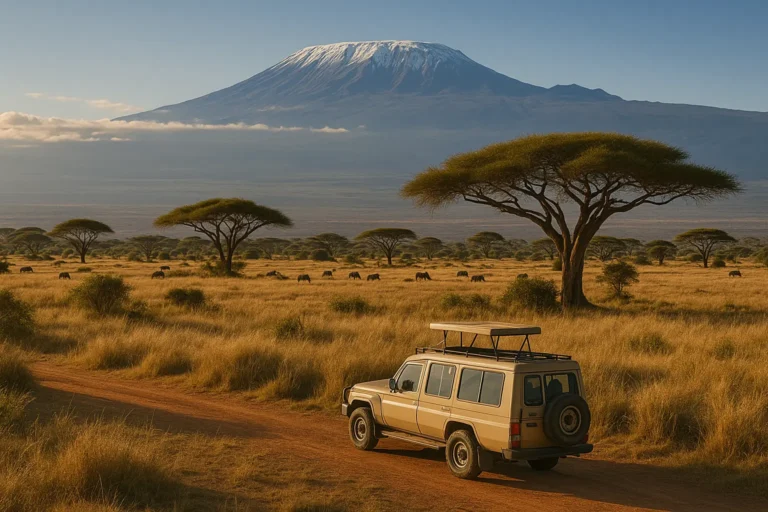 Tanzania
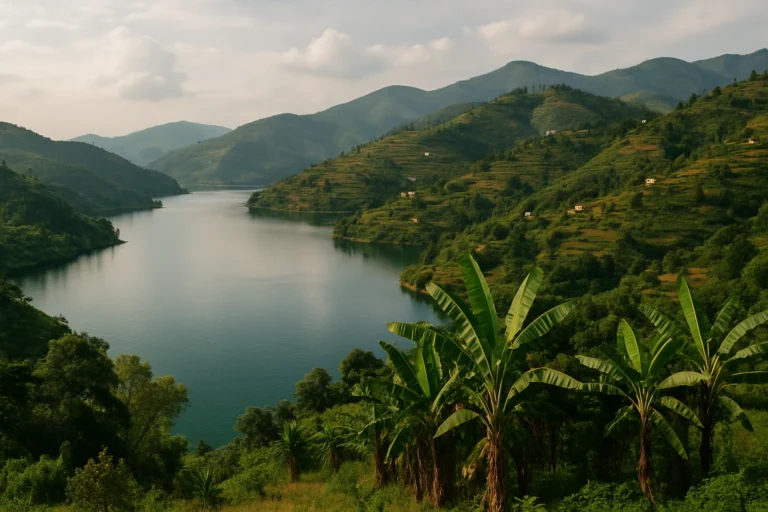 Burundi
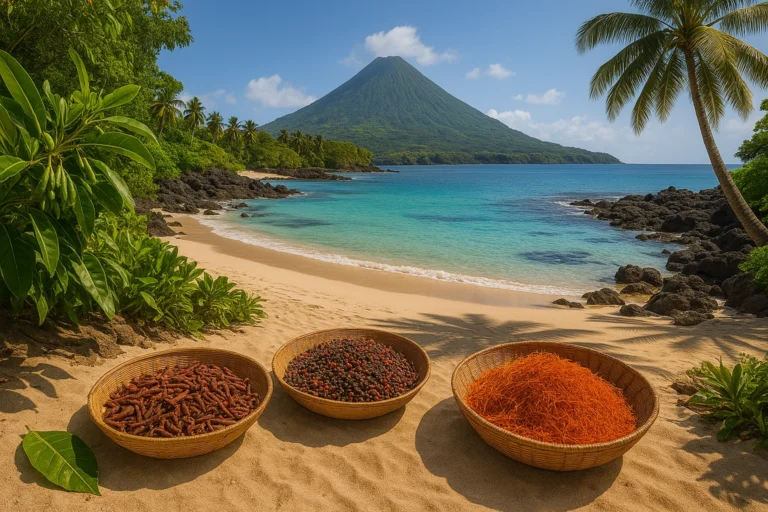 Comoros
 Djibouti
 Eritrea