
Madagascar
Madagascar: Island of Unique Biodiversity and Malagasy Culture
One of the most biologically unique places on earth, an island where most of the wildlife exists nowhere else in the world.
Madagascar is the world’s fourth largest island, sitting in the Indian Ocean off the southeastern coast of Africa. It separated from the African mainland roughly 160 million years ago, and from India around 90 million years ago, which gave its wildlife enough time in isolation to evolve in completely unique directions. The result is an island where approximately 90 percent of wildlife species are found nowhere else on earth.
Madagascar is not an easy destination. Infrastructure is limited, roads are poor outside major cities, and travel takes time and planning. But for travelers with an interest in wildlife, natural history, or genuinely unusual landscapes, Madagascar is one of the most extraordinary places on the planet.
Why Visit Madagascar
Lemurs are the most iconic reason to visit. These primates, ranging from the tiny mouse lemur, which fits in the palm of your hand, to the large indri, which can weigh up to 10 kilograms and whose haunting call carries through the forest for kilometers, are found only in Madagascar. There are more than 100 species and subspecies, living in habitats ranging from rainforest to dry deciduous forest to spiny desert. Watching ring-tailed lemurs sunbathe in the morning, or hearing the indri’s wail echo through the Andasibe forest, is unforgettable.
Beyond lemurs, Madagascar has extraordinary chameleon diversity, with roughly half of all chameleon species in the world found here. It has geckos found nowhere else, birds found nowhere else, and a plant life that is equally remarkable, including the baobab trees of the Avenue of the Baobabs near Morondava, a natural formation of enormous ancient trees that have become one of the most photographed landscapes in Africa.
The Avenue of the Baobabs is perhaps the most famous image of Madagascar, a dirt road flanked by enormous baobab trees, some reaching 30 meters tall and up to 800 years old, that glow red-gold in the light of sunset. It is as beautiful in person as in photographs.
Isalo National Park in the south is a sandstone massif carved by erosion into canyons, mesas, and natural swimming pools fed by crystal-clear streams. Trekking through Isalo is one of the most rewarding hiking experiences in Madagascar.
The Masoala Peninsula in the northeast is one of the most biodiverse areas on the island, home to rainforest, beaches, and an extraordinary range of wildlife including red ruffed lemurs, chameleons, and sea turtles that nest on the beaches.
Antananarivo, the capital, known locally as Tana, sits on a series of ridges at high altitude. It is a chaotic, colorful city with rice paddies in the valley below and a maze of markets, colonial architecture, and traditional wooden houses.
Malagasy Food and Culture
Rice is the foundation of Malagasy food culture, eaten at all three meals and often by volume that surprises visitors. The local name for “to have lunch” literally translates as “to eat rice.” Laoka, a side dish of meat, beans, or vegetables cooked in various ways, accompanies the rice. Romazava, a meat and leafy greens stew, is considered the national dish. Zebu beef, from the humped cattle that feature prominently in the economy and culture, is eaten widely.
Malagasy culture is a blend of African, Southeast Asian, Arab, and European influences, reflecting the island’s long history of migration and trade. The Merina people of the highlands have traditions of ancestor veneration including the Famadihana ceremony, in which family tombs are opened periodically to rewrap the remains of ancestors in fresh cloth. The music tradition ranges from traditional accordion-based sounds to the guitar style called salegy.
Practical Travel Tips for Madagascar
Most nationalities can get a visa on arrival at Antananarivo airport for stays up to 30 days, or an extended visa for longer stays. The official languages are Malagasy and French. The Malagasy ariary is the currency.
The best time to visit most of the island is April to November. The east coast receives significant rainfall year-round. Yellow fever vaccination is required if arriving from a country with risk. Malaria prevention is recommended.
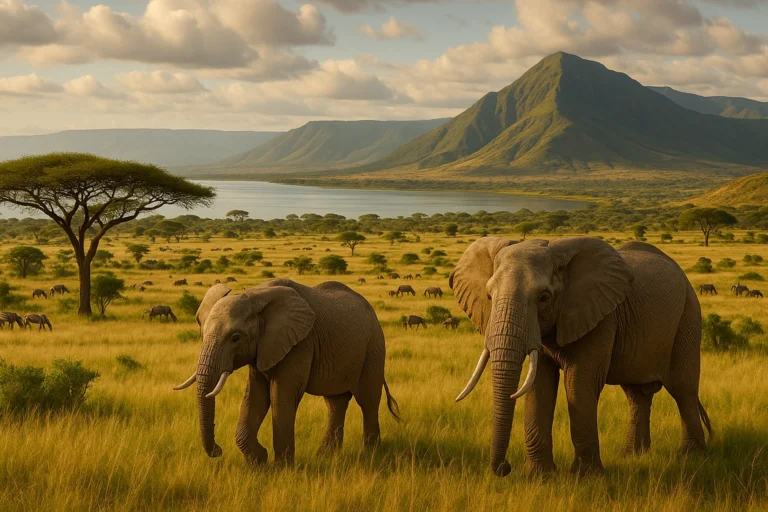 Kenya
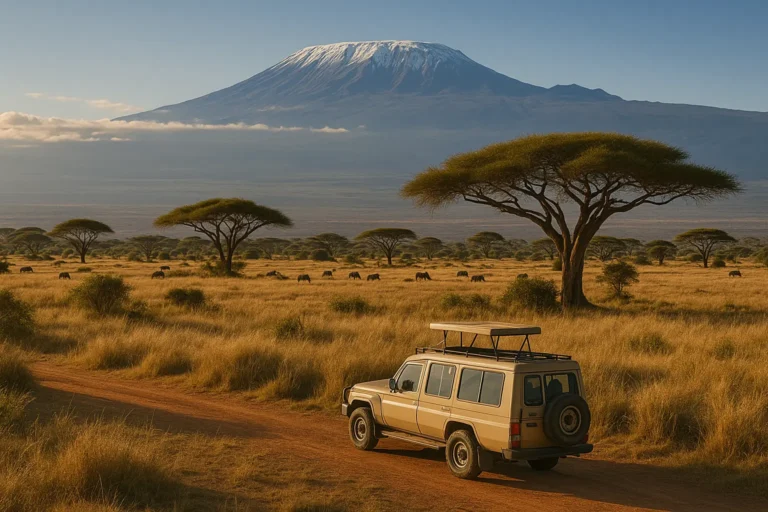 Tanzania
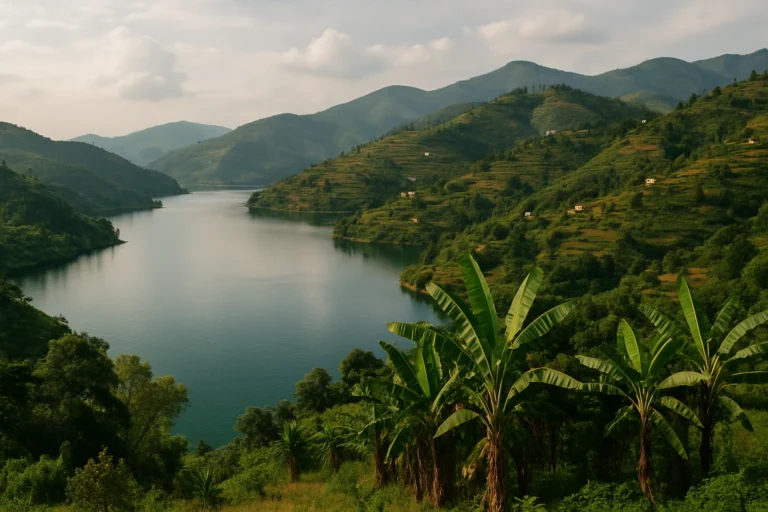 Burundi
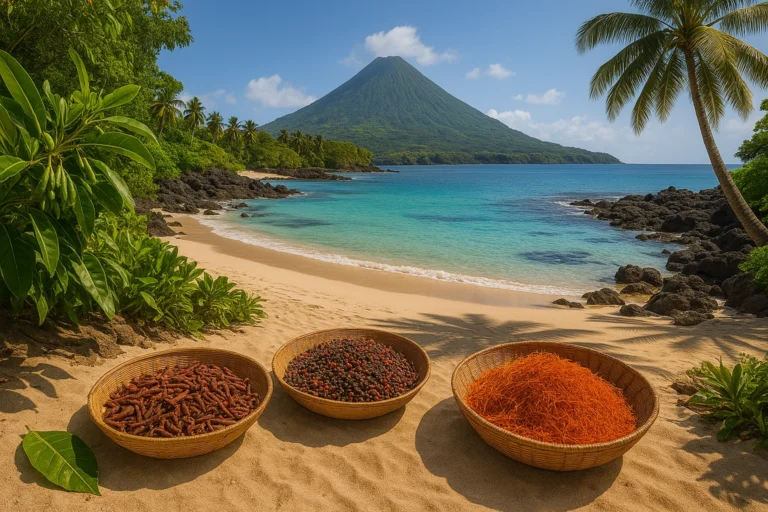 Comoros
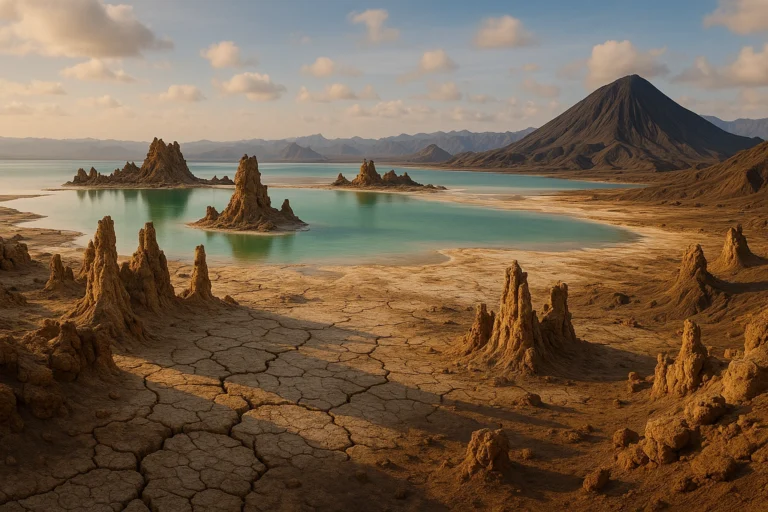 Djibouti
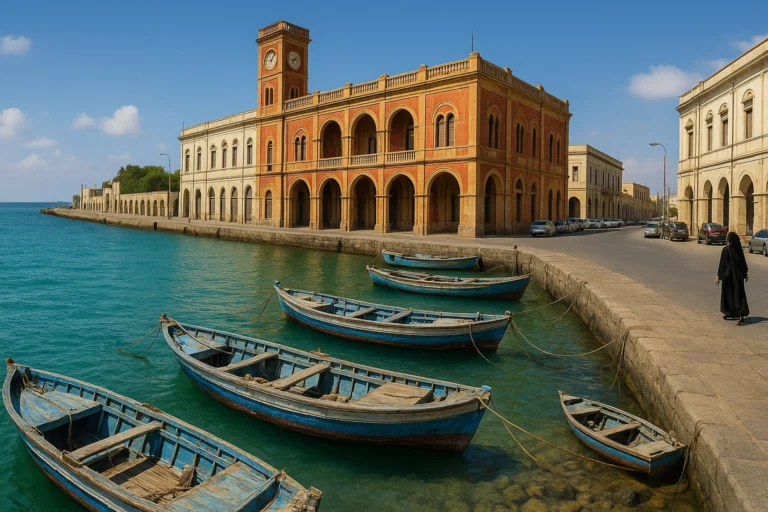 Eritrea