
Kenya
Kenya: Cradle of Humanity and Safari Capital of Africa
World-famous safaris, dramatic Rift Valley scenery, vibrant coastal culture, and one of Africa’s most accessible and rewarding travel destinations.
Kenya is the country that put Africa on the map for international travelers, and it has earned that status. The Maasai Mara, the Amboseli plains with Kilimanjaro in the background, the flamingo-covered shores of Lake Nakuru, the elephants of Tsavo. Kenya has a wildlife landscape that delivers on the promise of Africa in a way that few other destinations can match.
But Kenya is far more than a safari destination. Nairobi is one of the most dynamic cities in Africa, a place of genuine innovation, culture, and urban energy. The coast around Mombasa and the Swahili towns of Lamu and Malindi have a history and culture distinct from the inland highlands. And the Rift Valley lakes, the tea highlands, and the northern frontier all offer experiences that go well beyond the standard tourist circuit.
Why Visit Kenya
The Great Migration is the most famous natural spectacle Kenya offers, though it is shared with Tanzania’s Serengeti. Between July and October, millions of wildebeest, zebra, and gazelle cross the Mara River from Tanzania into the Maasai Mara in search of fresh grass. The river crossings, where animals plunge into crocodile-filled water while predators wait on the banks, are among the most dramatic wildlife events on earth.
Beyond the migration, the Maasai Mara is one of the best year-round game reserves in Africa. Lions, cheetahs, leopards, elephants, hippos, and an extraordinary diversity of birdlife are present throughout the year. The Maasai people, who coexist with wildlife in the surrounding areas, add a cultural dimension that enriches the experience.
Amboseli National Park offers a completely different atmosphere. The park sits at the foot of Mount Kilimanjaro, which rises across the border in Tanzania, and the combination of the mountain’s snow-capped peak with herds of elephants moving across the dusty plain below creates one of the most iconic images in all of African travel photography.
Top Places to Visit in Kenya
Nairobi is underrated as a travel destination. The Nairobi National Park, just outside the city, is the only national park in the world that sits on the edge of a capital city. The elephant orphanage run by the David Sheldrick Wildlife Trust is one of the most moving wildlife experiences in Kenya. The Karen Blixen Museum celebrates the author of “Out of Africa.” And the food scene, particularly around the Westlands and Kilimani neighborhoods, is excellent.
The coast around Mombasa has a long Swahili history visible in the architecture, food, and culture. Fort Jesus, a 16th-century Portuguese fort now a UNESCO World Heritage Site, is the main historical site. The beaches north and south of Mombasa are beautiful and backed by a range of accommodation options.
Lamu is one of the best-preserved Swahili towns in East Africa. Car-free and largely unchanged in its physical layout for centuries, it is a place of extraordinary atmosphere, carved wooden doors, narrow streets, and a genuinely ancient way of life.
Travel Tips for Kenya
Kenya offers an e-visa that most nationalities can apply for online before travel. The official languages are English and Swahili, both widely spoken. The Kenyan shilling is the currency. Yellow fever vaccination is required if arriving from a country with risk.
Malaria prevention is recommended for most areas outside Nairobi and the highlands. The best time for the Great Migration is July to October. The best general safari conditions are during the dry seasons from June to October and January to February. Nairobi is at high altitude and has a very pleasant climate year-round.
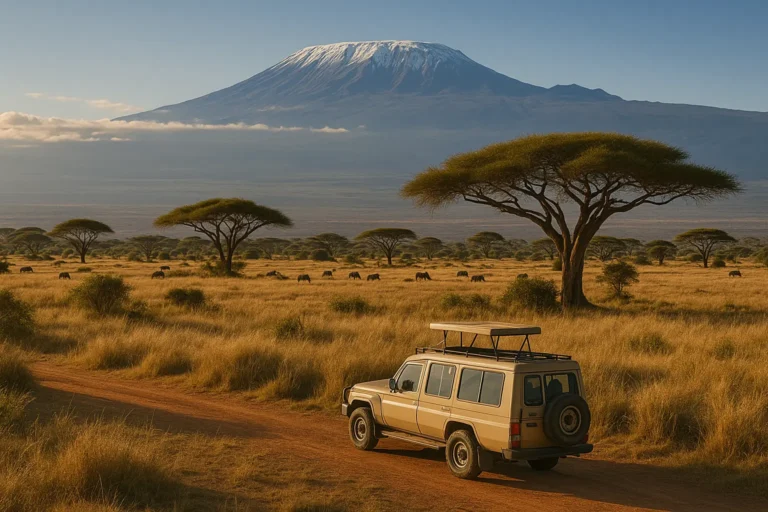 Tanzania
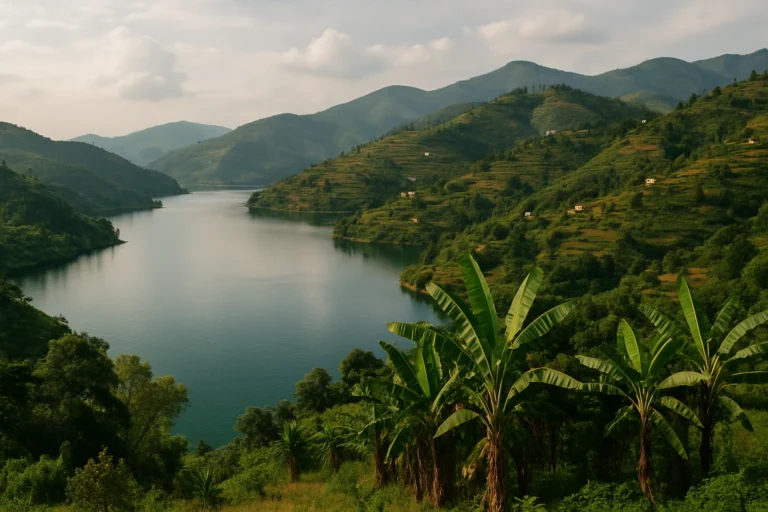 Burundi
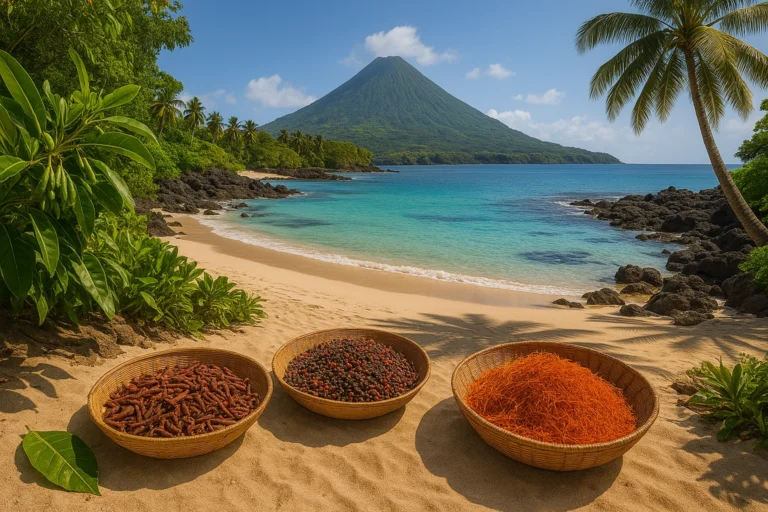 Comoros
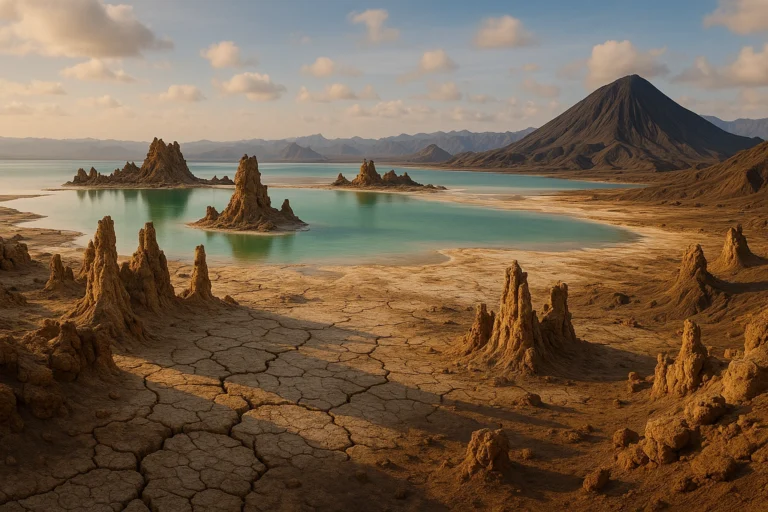 Djibouti
 Eritrea
 Ethiopia