
Nicaragua
Nicaragua: Land of Lakes, Volcanoes, and Cultural Heritage
Nicaragua, the largest nation in Central America, lies between Honduras to the north and Costa Rica to the south, with the Caribbean Sea along its eastern coast and the Pacific Ocean to the west. Covering approximately 130,000 square kilometers, it is known for its stunning natural landscapes, including volcanoes, lakes, rivers, and tropical forests. The capital city, Managua, serves as the political, economic, and cultural center of the nation. Nicaragua is significant for its biodiversity, agricultural resources, and rich cultural traditions that reflect a blend of Indigenous, European, and African influences.
Ancient Legacy and Historical Significance
Nicaragua has a long Indigenous history, with tribes such as the Nicarao and Chorotega inhabiting the region prior to European contact. These communities developed agriculture, pottery, and trade networks and left behind evidence of their sophisticated societies.
Spanish explorers arrived in the early 16th century, with Gil González Dávila leading expeditions along the Pacific coast in 1522. Nicaragua became part of the Spanish Empire, with colonization centered on agriculture and resource extraction. Indigenous populations were heavily affected by disease, forced labor, and displacement. Following centuries under Spanish rule, Nicaragua declared independence in 1821, initially joining the Mexican Empire and later the Central American Federation.
It became a fully sovereign nation in 1838. The country experienced periods of political instability and foreign intervention but has maintained a strong sense of national identity and pride.
Cultural Traditions and Cuisine
Nicaraguan culture is a rich mixture of Indigenous, Spanish, and African heritage. Music and dance play a central role, with styles such as marimba, palo de mayo, and traditional folk dances performed during festivals and community celebrations. Important festivals include La Purísima, a religious celebration honoring the Virgin Mary, and Independence Day festivities that highlight national pride. Traditional clothing often includes vibrant patterns and embroidery, reflecting regional identity and craftsmanship.
Nicaraguan cuisine is flavorful and hearty, emphasizing local ingredients such as corn, beans, rice, and fresh vegetables. Popular dishes include gallo pinto (rice and beans), nacatamales (steamed corn dough with meat and vegetables), and vigorón (yucca with pork and cabbage salad). Tropical fruits such as mangoes, papayas, and pineapples are commonly enjoyed, and coffee is an important cultural and economic staple.
Nicaragua is a nation where history, culture, and natural beauty converge, offering a vibrant and enduring Central American experience.
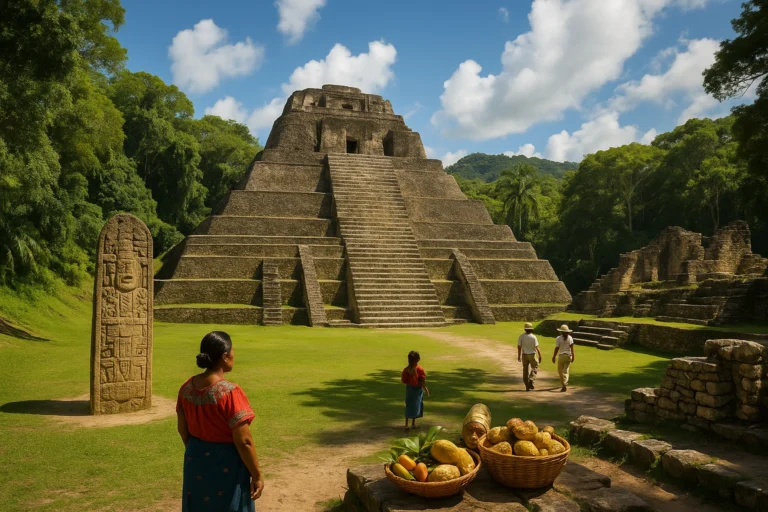 Belize
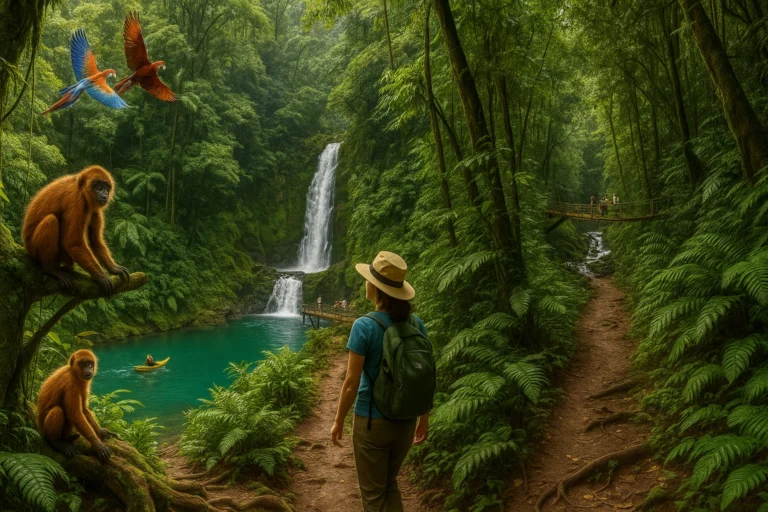 Costa Rica
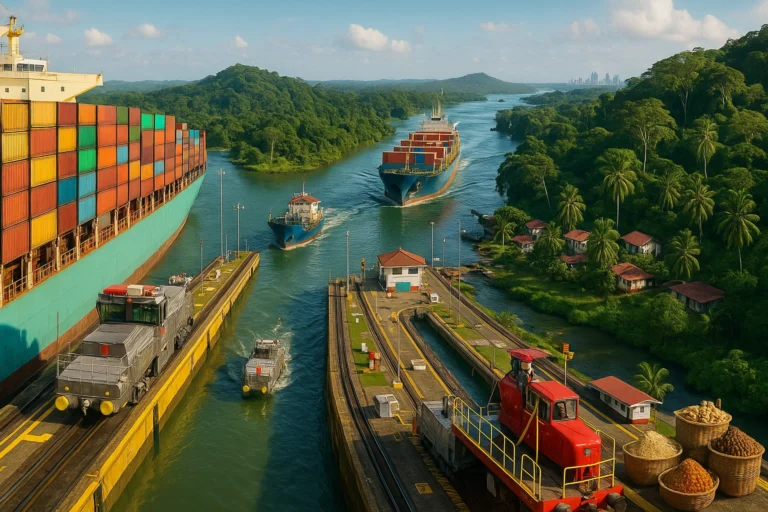 Panama
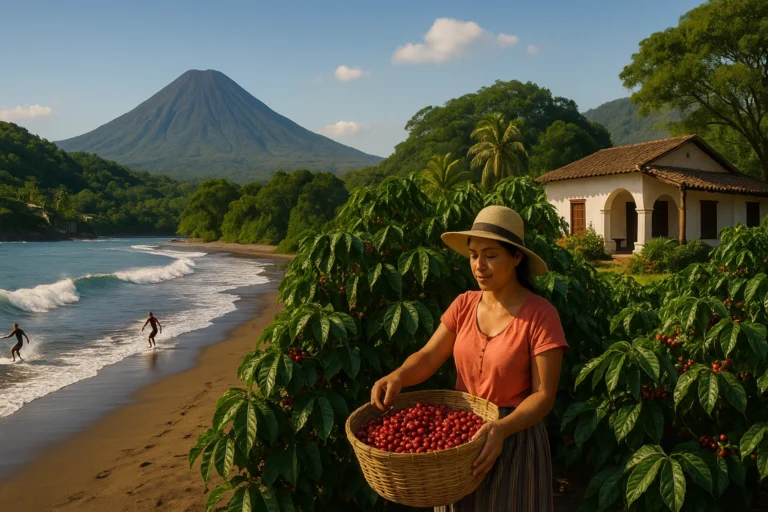 El Salvador
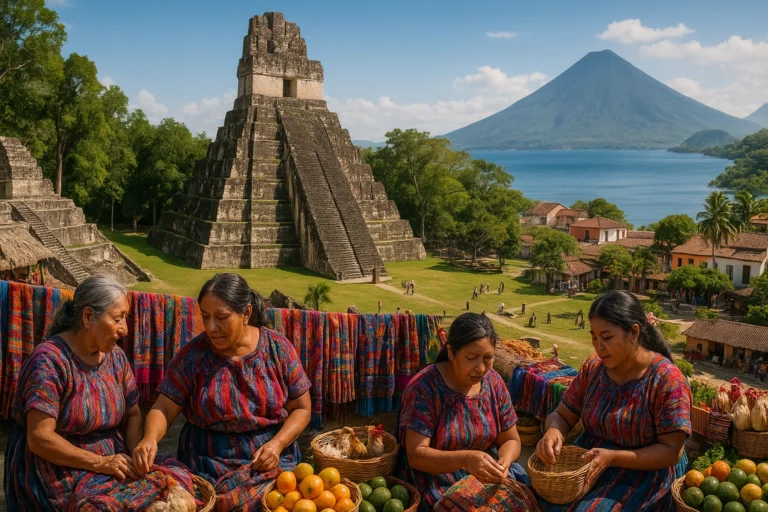 Guatemala
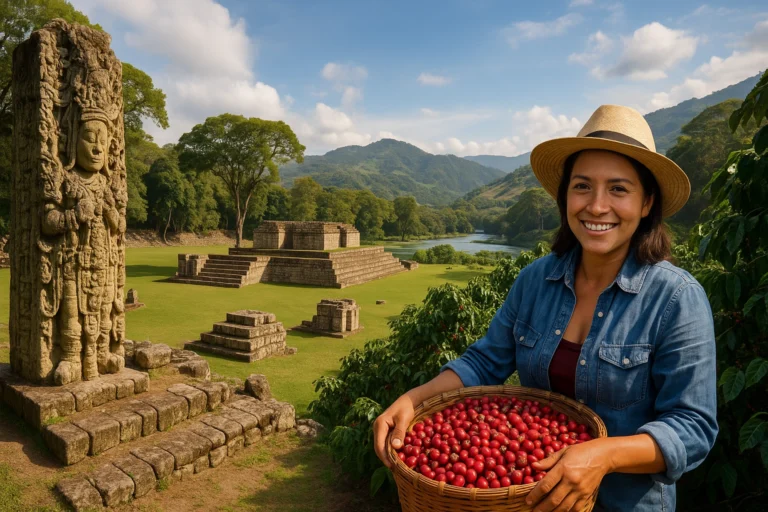 Honduras