
Honduras
Honduras: Land of Ancient Ruins and Cultural Richness
Honduras is a Central American country bordered by Guatemala to the west, El Salvador to the south, Nicaragua to the east, and both the Pacific Ocean and the Caribbean Sea. Covering approximately 112,500 square kilometers, it is known for its diverse landscapes, including mountains, rainforests, and tropical coastlines. The capital city, Tegucigalpa, is the political and cultural hub of the nation. Honduras is rich in natural resources, biodiversity, and history, making it an important country in the region for tourism, archaeology, and cultural preservation.
Ancient Legacy and Historical Significance
Honduras has a profound ancient heritage rooted in the Maya civilization, which thrived from around 1500 BCE to the 16th century. Maya cities such as Copán, renowned for its intricate stone carvings and hieroglyphic inscriptions, reflect the civilization’s advanced knowledge of astronomy, architecture, and mathematics. These sites remain key to understanding Central American history and culture.
In the early 16th century, Spanish explorers arrived, claiming the territory and establishing colonial rule. Indigenous populations faced dramatic changes due to conquest, forced labor, and disease. During Spanish colonial rule, Honduras became part of the Captaincy General of Guatemala, with an economy based on agriculture and mining. After independence from Spain in 1821, Honduras briefly joined the Mexican Empire and the Federal Republic of Central America before becoming a sovereign nation in 1838. Its history includes periods of political unrest, but it has maintained a resilient national identity rooted in Indigenous, African, and Spanish influences.
Cultural Traditions and Cuisine
Honduran culture is a blend of Indigenous, Spanish, and African heritage, evident in its music, dance, and festivals. Traditional music includes punta, marimba, and folk songs performed during celebrations and community events. Annual festivals, such as Feria Juniana in San Pedro Sula and Independence Day on September 15, feature parades, dancing, and cultural performances that highlight the nation’s vibrant spirit. Traditional clothing, particularly Indigenous textiles and embroidery, reflects local craftsmanship and regional identity.
Honduran cuisine is hearty and flavorful, often based on corn, beans, and tropical fruits. Popular dishes include baleadas (flour tortillas filled with beans, cheese, and cream), sopa de caracol (conch soup), and tamales. Fresh seafood, grilled meats, and tropical fruits such as bananas, mangoes, and papayas are widely enjoyed.
Honduras is a nation where ancient heritage, natural beauty, and cultural traditions come together, offering a unique Central American experience.
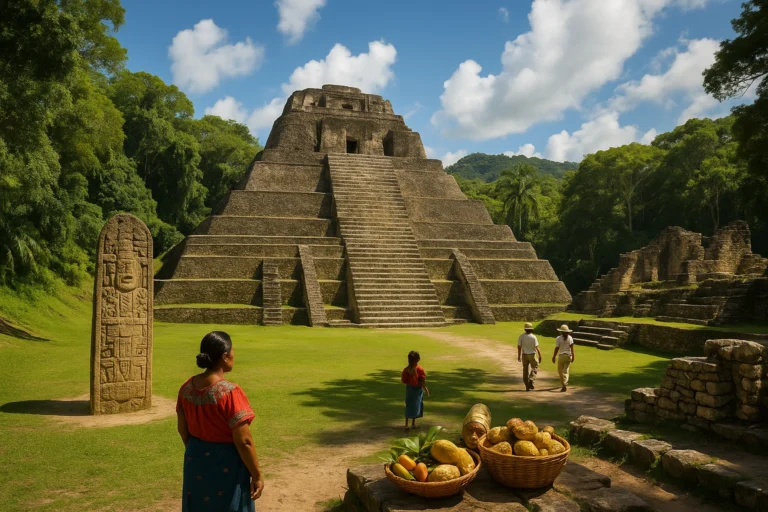 Belize
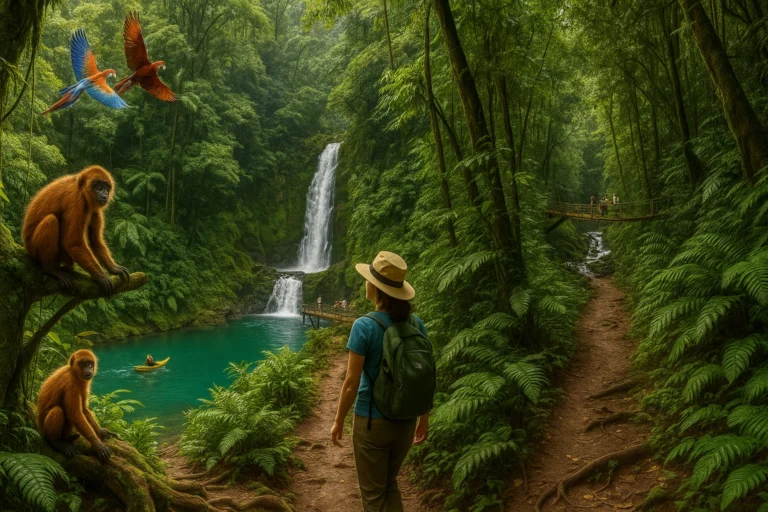 Costa Rica
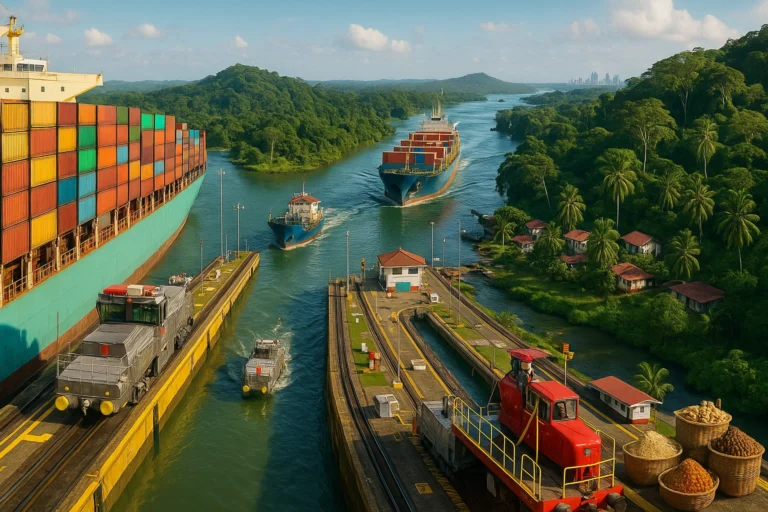 Panama
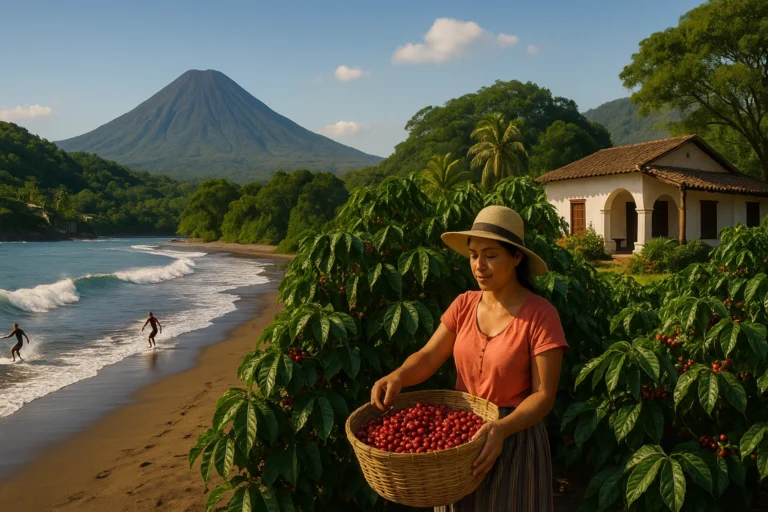 El Salvador
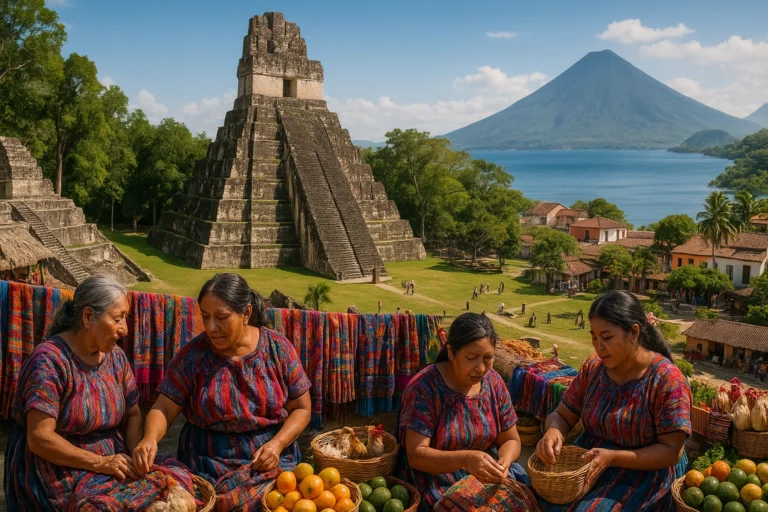 Guatemala
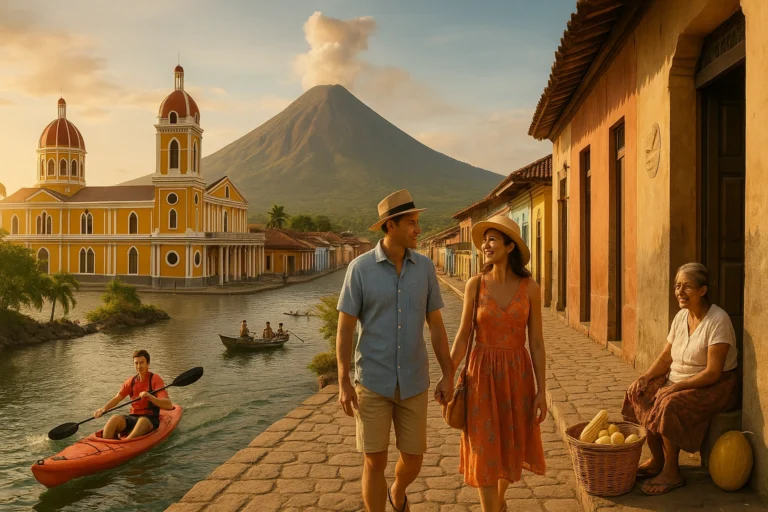 Nicaragua