
El Salvador
El Salvador: Land of Volcanoes, Culture, and Tradition
El Salvador is the smallest yet one of the most densely populated countries in Central America, located between Guatemala and Honduras, with a coastline along the Pacific Ocean. Covering about 21,000 square kilometers, it is known for its dramatic volcanic landscapes, lush mountains, and scenic beaches. The capital city, San Salvador, serves as the cultural, political, and economic hub of the nation. Despite its size, El Salvador plays a significant role in the region through its rich history, dynamic culture, and vibrant communities that embrace both tradition and modernity.
Ancient Legacy and Historical Significance
El Salvador has a deep-rooted Indigenous history, primarily shaped by the Pipil people, who were descendants of the Nahua and settled in the region around the 11th century. They established complex agricultural societies and built ceremonial centers, leaving behind artifacts and pyramids that reveal their advanced culture.
Spanish explorers arrived in the early 16th century, with Pedro de Alvarado leading the conquest of the territory in 1524. The colony became part of the Captaincy General of Guatemala under Spanish rule, and the native population suffered greatly due to warfare, forced labor, and diseases. Following centuries of colonial administration, El Salvador became part of the Federal Republic of Central America after independence from Spain in 1821.
It later emerged as a sovereign nation in 1841. Political upheavals and civil conflicts have shaped the nation, but resilience and cultural pride have remained constants throughout its history.
Cultural Traditions and Cuisine
Salvadoran culture is a blend of Indigenous, Spanish, and African influences, reflected in its music, dance, and festivals. Traditional celebrations include Fiestas Agostinas in honor of the Virgin of Peace and colorful events during Christmas and Semana Santa. Folk dances, marimba music, and traditional costumes are showcased during these festivities, preserving the country’s rich heritage.
Salvadoran cuisine is simple, hearty, and flavorful. The national dish, pupusas, is thick corn tortillas filled with cheese, beans, or pork and often served with curtido, a pickled cabbage salad. Other traditional foods include tamales, yuca frita, and fresh tropical fruits such as mangoes and papayas. Coffee cultivation, historically important, remains a key part of both the economy and social culture.
El Salvador stands as a nation of resilience and vibrant traditions, where history, nature, and cultural pride intertwine to create a distinctive Central American identity.
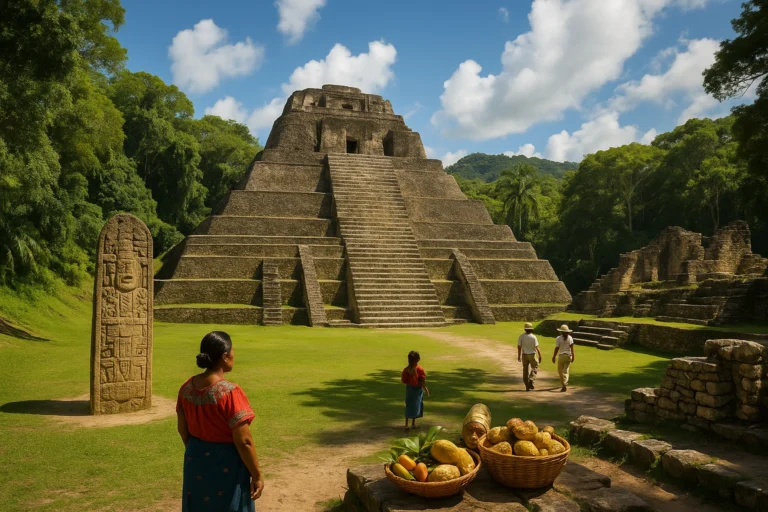 Belize
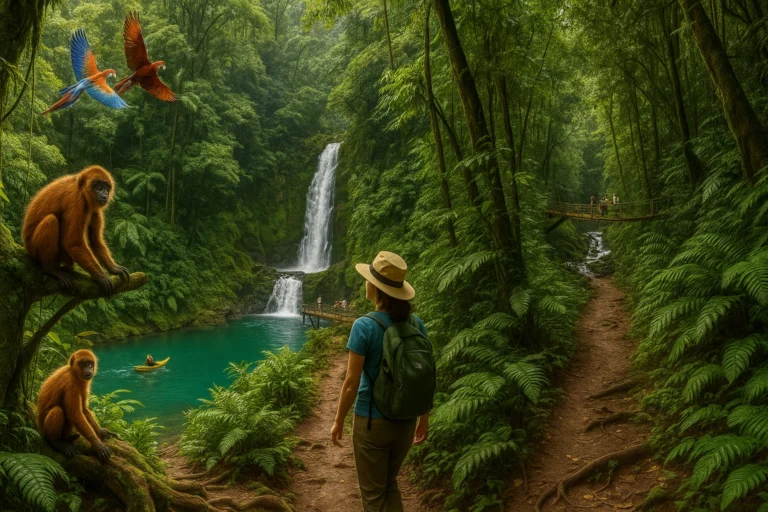 Costa Rica
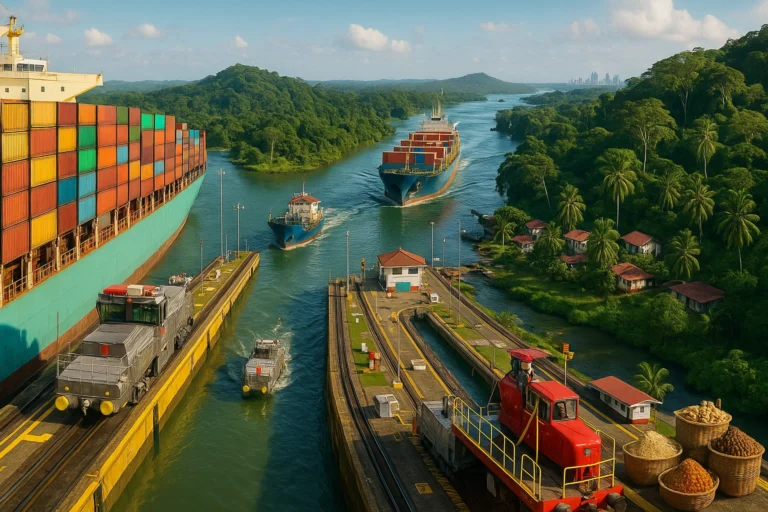 Panama
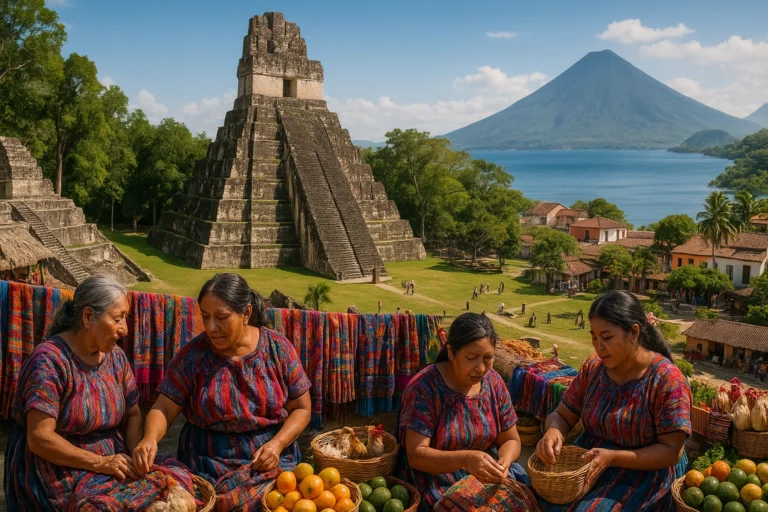 Guatemala
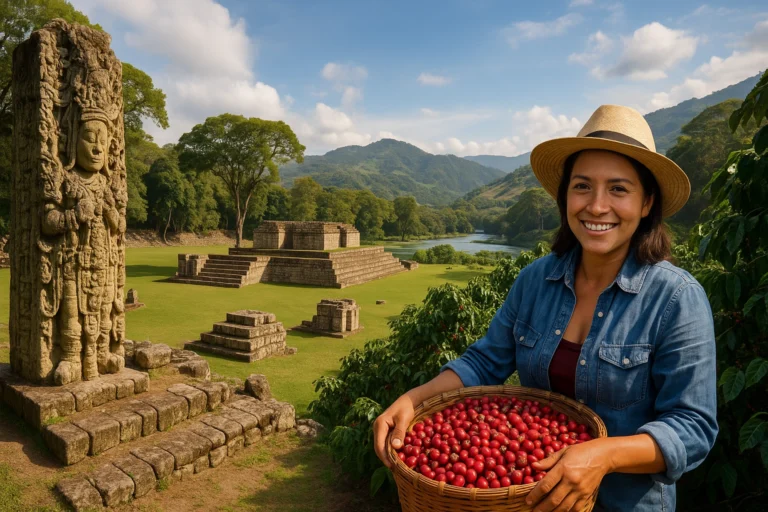 Honduras
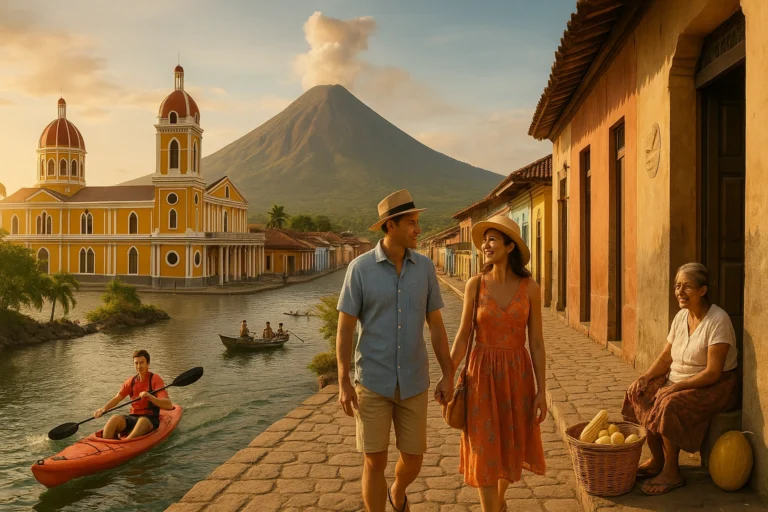 Nicaragua