
Republic of the Congo
Republic of the Congo: A Nation of Heritage and Diversity
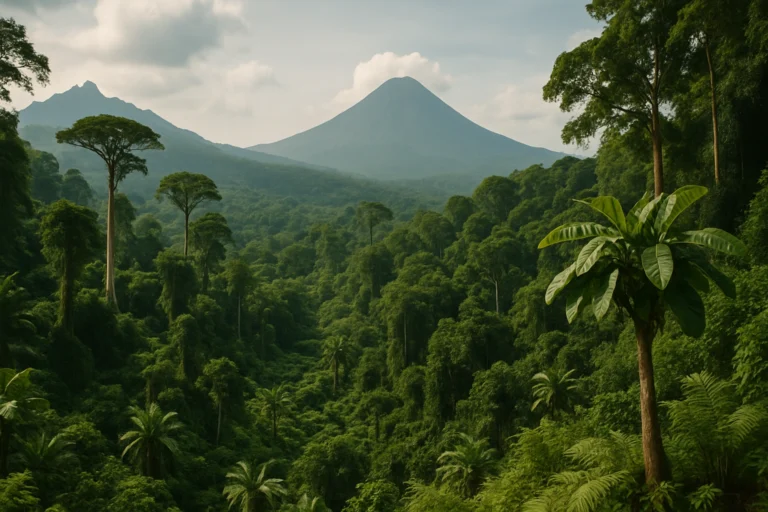
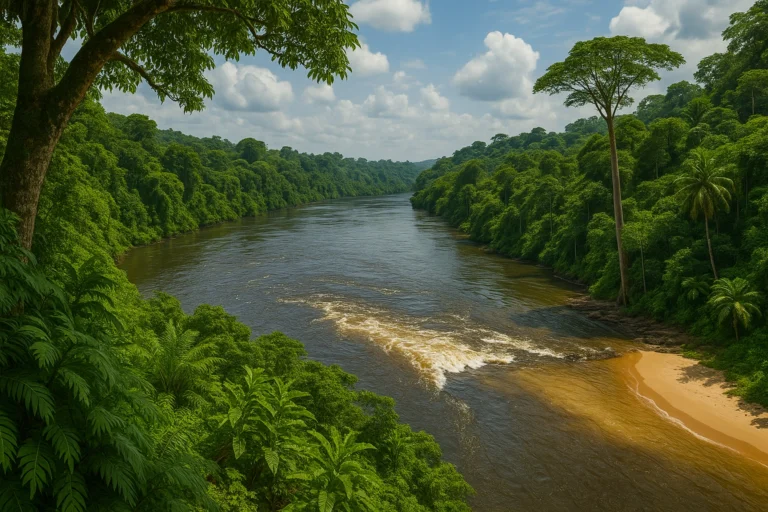
The Republic of the Congo, also known as Congo-Brazzaville, is located in Central Africa, bordered by Gabon, Cameroon, the Central African Republic, the Democratic Republic of the Congo, and the Atlantic Ocean. With its lush rainforests, rolling plateaus, and the Congo River basin, the country is rich in biodiversity and natural resources.
Its capital, Brazzaville, sits directly across the river from Kinshasa, the capital of the Democratic Republic of the Congo, making the two among the closest capital cities in the world. The Republic of the Congo is significant for its cultural vibrancy and its role in Central African history and trade.
Ancient Legacy and Historical Significance
The territory of the Republic of the Congo has long been inhabited by Bantu-speaking peoples who developed advanced societies and trade networks. Among the most prominent historic states was the Kingdom of Kongo, which thrived from the 14th to the 19th century, covering parts of present-day Congo, Angola, and Gabon. The kingdom engaged in trade with European powers, particularly the Portuguese, though this interaction also led to the tragic history of the Atlantic slave trade.
In the late 19th century, during the European scramble for Africa, French explorers claimed the territory. By 1882, it became part of French Equatorial Africa, with Brazzaville serving as an administrative hub. The Republic of the Congo achieved independence from France in 1960. Since then, the nation has faced political shifts but continues to build its identity as a sovereign state with a rich cultural and historical background.
Cultural Traditions and Cuisine
Cultural life in the Republic of the Congo is a reflection of its many ethnic groups, including the Kongo, Teke, and Mbochi peoples. Music and dance are central to daily life, with traditional rhythms blending into modern genres. Soukous, a popular style of Congolese music, has roots in both Congos and is celebrated at festivals and gatherings. The country also hosts traditional ceremonies that honor ancestors, seasonal cycles, and community bonds.
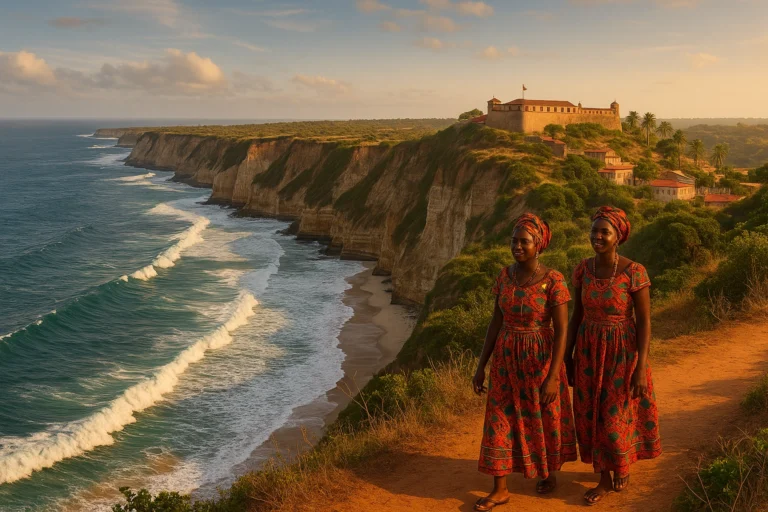
Traditional clothing includes brightly patterned fabrics worn during cultural events, while everyday attire blends modern and local influences. Handcrafted jewelry and carvings are also expressions of cultural artistry.
Congolese cuisine emphasizes local crops and river resources. Cassava is the staple food, prepared as fufu or chikwangue, often eaten with stews of fish, chicken, or goat. Peanuts, plantains, okra, and leafy greens enrich meals, while smoked or grilled fish remains a favorite dish. Meals are often shared, symbolizing unity and community ties.
 Angola
 Cameroon
 Central African Republic
 Chad
 Democratic Republic of the Congo
 Equatorial Guinea