Angola is one of Africa’s most underrated travel destinations. While many travellers head to South Africa or Namibia, Angola sits quietly on the Atlantic coast with incredible landscapes, rich culture and amazing wildlife waiting to be discovered. This country has it all: white sand beaches, a true desert, massive waterfalls and national parks full of animals.
If you are planning a trip to Africa and want something different, the best places to visit in Angola will surprise you. From the busy capital city of Luanda to the remote Namibe Desert, Angola offers travel experiences that feel fresh, authentic and far from overcrowded. Here are the must-see places to put on your Angola travel list for 2026.
Table of Contents
Why Visit Angola?
Angola is a country that does not get enough attention from international travellers, and that is exactly what makes it special. Here are three big reasons to consider it for your next trip.
• Unique Landscapes
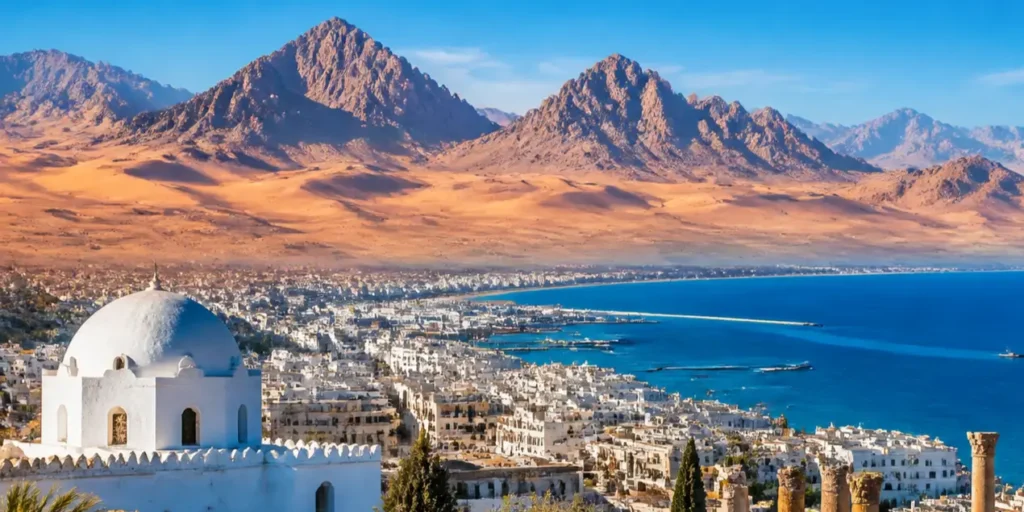
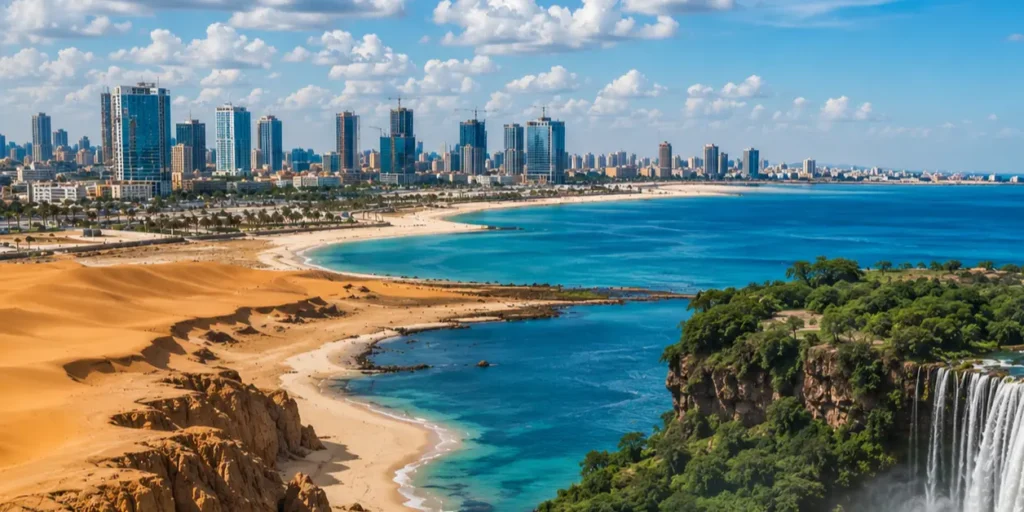
Angola is one of the few countries in the world where you can stand in a desert and see the ocean at the same time. The Namibe Desert meets the Atlantic coastline in a way that looks like something from a movie. Add towering waterfalls, green highlands and flat national parks, and you have a country full of scenic variety.
• Rich Portuguese-Influenced Culture
Angola was a Portuguese colony for centuries, and that influence is visible everywhere. You will find colonial architecture, Portuguese-style food and a culture that blends African traditions with European touches. The music scene is also world-famous, with Kizomba originating right here in Angola.
• Emerging Tourism Destination
Angola is still early in its tourism development. That means fewer crowds, lower prices in many areas and a sense of discovery that popular destinations in southern Africa have lost. If you love being ahead of the travel curve, Angola is the right choice in 2026.
Best Places to Visit in Angola
1. Luanda – The Vibrant Capital
Luanda is Angola’s capital city and the first stop for most visitors. It is a busy, energetic city on the Atlantic coast with a mix of old colonial buildings and modern high-rises. The city has a fast-growing food and nightlife scene, and locals are known for their warmth and welcome.
The Marginal is Luanda’s famous waterfront promenade where you can walk, eat fresh seafood and watch the boats in the bay. It is a great place to feel the pulse of the city. The National Museum of Angola and the Slave Museum are worth visiting to understand the country’s history. The Fortress of São Miguel is one of the oldest colonial landmarks in the city and offers views over the harbour.
Luanda is best explored over two days before heading to other parts of the country.
2. Kalandula Falls – Angola’s Most Famous Waterfall
Kalandula Falls is one of the largest waterfalls in Africa by volume. It sits on the Lucala River and drops about 105 meters into a wide gorge below. The falls are wide, powerful, and surrounded by a green forest, making them especially beautiful during and just after the rainy season.
The best time to visit is between November and April when the water flow is at its strongest. The dry season still offers good views, but the falls are less dramatic. There are viewpoints along the top of the falls where you can get very close to the edge, and lower paths that offer views from below. Sunrise visits are highly recommended for photographers.
Getting to Kalandula requires a road trip from Luanda or Malanje, which takes a few hours. The drive itself is scenic, passing through small villages and farmland.
3. Benguela – Coastal Charm and Beaches
Benguela is a relaxed coastal city south of Luanda that often gets skipped by travellers but deserves more attention. The beaches here are wide, quiet and clean. Baía Azul is the most popular beach near Benguela and is known for its calm blue water and laid-back atmosphere. It is perfect for swimming and spending a slow afternoon by the ocean.
Beyond the beaches, Benguela has a charming colonial town centre with old Portuguese buildings, local cafés and a lively central market. The city also has an interesting railway history. The Benguela Railway was once one of the most important rail lines in Africa, connecting the coast to the continent’s interior. You can still see some of the historic stations and railway infrastructure around the city.
4. Lobito – Scenic Peninsula City
Lobito is just a short drive from Benguela and sits on a narrow peninsula that sticks out into a natural bay. The city has a relaxed, unhurried feel that is perfect for travellers who want to slow down and enjoy the ocean.
The beaches in Lobito are calm and sheltered, which makes them great for swimming and kayaking. One of the most unexpected highlights is the flamingos that gather in the shallow waters near the bay. Seeing a flock of pink flamingos against a backdrop of blue water and sandy hills is one of those travel moments that sticks with you. Lobito is a great overnight stop when exploring the central coast of Angola.
5. Namibe Desert – Angola’s Hidden Wonder
The Namibe Desert is one of the most unusual and visually striking places in all of Angola. It is part of the larger Namib Desert system and stretches along the southern Atlantic coast. The desert meets the ocean in a dramatic way, creating landscapes unlike anything else in Africa.
One of the most unique features of the Namibe Desert is the Welwitschia plant. This ancient plant can live for over one thousand years and looks like nothing else on Earth. It has just two leaves that grow and split over centuries, creating a strange, flat shape on the desert floor. Seeing a Welwitschia that is potentially hundreds of years old is a humbling experience.
The combination of desert dunes, rocky plains and ocean views makes the Namibe region a photographer’s dream. It is best explored with a local guide or on an organised tour, since the roads can be rough and the distances long.
6. Kissama National Park – Wildlife Safari
Kissama National Park, also spelt Quiçama, is the most accessible wildlife destination in Angola and sits about 70 kilometres south of Luanda. The park suffered during Angola’s long civil war but has been slowly recovering through active conservation efforts. Today, it is home to elephants, buffalo, zebras, antelope, hippos, and a variety of bird species.
One of the most remarkable conservation stories connected to Kissama is Operation Noah’s Ark, which brought elephants and other animals from Botswana and South Africa to help restock the park after the war. The project helped bring Kissama back to life and is a testament to what conservation can achieve.
Safari tips for Kissama:
- Visit early in the morning for the best wildlife sightings
- Hire a local guide who knows the park roads
- Bring insect repellent and plenty of water
- The dry season from May to October gives better visibility since the vegetation is lower
Kissama is easy to visit as a day trip from Luanda or as an overnight stay with one of the park lodges.
7. Serra da Leba – Iconic Mountain Road
Serra da Leba is one of the most photographed spots in Angola. It is a mountain pass in the Huíla Province where a winding road drops sharply down from the highland plateau to the lowlands below. The road makes a series of tight hairpin turns as it descends, and from the viewpoint at the top, you can look down and see the full sweep of the road cutting through the green hillside.
This viewpoint is one of those places that appear in almost every Angola travel photo you will ever see. It is stunning in the early morning when mist fills the valley below. Photographers love the golden-hour light that hits the road in the late afternoon. Even if you are not a photographer, standing at the top of Serra da Leba and looking out over the landscape is worth the trip on its own.
8. Tundavala Gap – Dramatic Cliffs
Tundavala Gap is a dramatic cliff edge near Lubango in southern Angola. The cliffs drop nearly 1,000 meters from the highland plateau down to the plains below, creating one of the most breathtaking views in the country. On a clear day, you can see for many miles across the flat lowlands that stretch toward the coast.
The area around Tundavala is also good for hiking along the cliff edge. The paths are not heavily marked so it is worth going with a local guide. The site is close to Serra da Leba which makes it easy to combine both in a single day trip from Lubango.
Hidden Gems in Angola
1. Pedras Negras de Pungo Andongo
Pedras Negras de Pungo Andongo, which means Black Rocks of Pungo Andongo, is one of Angola’s most fascinating and least visited natural landmarks. A series of massive black granite boulders rises out of the flat savanna in the Malanje Province, some reaching heights of over 1,000 meters above the surrounding plains.
These rocks have deep historical and spiritual significance for the Mbundu people. According to local legend, Queen Nzinga, one of Africa’s most celebrated historical figures, used these rocks as a base during her resistance against Portuguese colonial forces in the 17th century. There is even a large footprint-shaped mark in the rock that locals say belongs to the queen herself.
Visiting Pedras Negras feels like stepping into a place that most of the outside world has not yet found.
2. Mussulo Island
Mussulo is a long, narrow peninsula just south of Luanda, serving as a popular weekend escape for city residents. It is best reached by boat from Luanda’s harbour, making the short boat ride part of the fun.
Once you arrive, Mussulo feels completely different from the busy capital. The island has calm lagoon waters on one side and open ocean beaches on the other. There are beach bars, small seafood restaurants and a handful of resorts. The water is warm and ideal for swimming, and the pace of life slows down considerably.
Mussulo is best as a day trip from Luanda, though you can also stay overnight at one of the resorts if you want a longer break from the city.
Best Time to Visit Angola
The timing of your trip will make a big difference in what you experience in Angola.
Dry Season: May to October (Best for Most Travel) The dry season is the best overall time to visit Angola. The weather is cooler, roads are easier to travel, and wildlife in Kissama National Park is easier to spot since the vegetation is lower. This is also the most comfortable time for hiking, sightseeing and beach travel.
Rainy Season: November to April. The rainy season brings lush green landscapes and full, powerful waterfalls. Kalandula Falls is at its most dramatic between December and March. However, some roads can become difficult, especially in rural areas. If waterfalls are your priority, visiting during the early rainy season in November or December can be a good balance.
Wildlife vs Waterfall Timing
- For wildlife at Kissama: visit from May to October
- For Kalandula Falls at full power: visit from November to April
- For beaches and coastal cities: any time of year works, though May to September is most comfortable
Travel Tips for Visiting Angola
1. Visa Requirements
Most visitors need a visa to enter Angola. Angola now offers an eVisa system that allows you to apply online before your trip. You will need a valid passport, a return flight booking, proof of accommodation and a passport photo. Processing typically takes a few business days. Always check the latest requirements with the Angolan embassy or consulate for your country before you travel.
2. Safety in Angola
Angola is generally safe for tourists who travel with common sense and proper preparation. The civil war ended in 2002, and the country has been stable since then. Major cities like Luanda, Benguela and Lubango are safe for travellers, though like any large city, you should keep an eye on your belongings in busy areas and avoid isolated spots at night.
- Petty theft can occur in crowded markets and city centres
- Avoid displaying expensive cameras or jewellery in public
- Travel in groups when visiting remote areas
- Use licensed taxis or hotel-arranged transport rather than random street taxis
- Check your government’s travel advisory before departing
Angola is not a high-risk destination, but being prepared and aware will make your trip much smoother.
3. Getting Around
Getting around Angola requires some planning. Domestic flights are the fastest option for covering long distances. There are flights connecting Luanda to Benguela, Lubango, Namibe and other cities. Flying saves a lot of time and is worth the cost on longer routes.
Road travel is possible but comes with challenges. Main highways between major cities are generally in decent condition, but rural roads can be rough and unpaved. A 4×4 vehicle is recommended for national park visits and desert areas. Self-driving is possible for experienced travelers but hiring a local driver is often easier and safer.
The rail system is limited and not practical for most tourist routes. Buses connect major cities but can be slow, and schedules are not always reliable.
4. Currency and Costs
The official currency is the Angolan Kwanza (AOA). Cash is widely used, especially outside of Luanda. ATMs are available in major cities but can be unreliable, so it is smart to carry enough cash when heading into rural areas.
- Angola is not a budget destination by African standards
- Luanda is one of the more expensive cities in Africa, especially for accommodation and restaurants
- Outside the capital, costs drop significantly
- Mid-range travellers should budget around $100 to $150 USD per day, including accommodation, food and local transport
- Desert tours, safari trips and guided excursions cost extra but offer good value
5. Suggested 7 to 10 Day Angola Itinerary
This itinerary covers the highlights of Angola and can be a 7-day trip or extended to 10 days with the optional Namibe addition.
Day-by-Day Breakdown
| Day | Destination | Main Activities |
| Day 1–2 | Luanda | Explore the Marginal, visit museums, Fort São Miguel, local restaurants |
| Day 3 | Kissama National Park | Morning safari, elephant and wildlife viewing, return to Luanda |
| Day 4–5 | Kalandula Falls | Drive to Malanje area, visit the falls, explore surrounding villages |
| Day 6–7 | Benguela and Lobito | Baía Azul beach, colonial town center, flamingos at Lobito bay |
| Day 8–9 (optional) | Namibe Desert | Desert landscapes, Welwitschia plants, coastal desert views |
| Day 10 (optional) | Lubango | Serra da Leba viewpoint, Tundavala Gap cliffs |
Tips for this itinerary:
- Book domestic flights in advance for the Luanda to Benguela leg
- Hire a local guide for Kissama and the Namibe Desert
- Allow extra buffer time for road travel between cities
What is Angola Famous For?
1. Oil Industry
Angola is one of the largest oil producers in sub-Saharan Africa. The oil industry has driven much of the country’s economic growth since the end of the civil war and is a major part of the national economy.
2. Kizomba Music
Angola is the birthplace of Kizomba, a smooth, romantic music and dance style that has spread across the world. If you visit Luanda, you will hear this music everywhere. It blends African rhythms with Cape Verdean influences and has become one of the most popular dance styles in Europe and Latin America.
3. Natural Landscapes
Angola is famous for its incredible variety of landscapes. The country has one of Africa’s largest waterfalls, a unique desert that meets the sea, dramatic mountain cliffs and a wildlife park that came back from near-extinction. For nature lovers, Angola is a destination with no shortage of remarkable scenery.
FAQs About Visiting Angola
Is Angola safe for tourists?
Yes, Angola is generally safe for tourists. The country has been peaceful since 2002, and the main tourist areas are secure. Travellers should use common sense, avoid isolated areas at night and keep valuables out of sight. Always check your government’s latest travel advisory before your trip.
Do I need a visa for Angola?
Most nationalities need a visa to enter Angola. An eVisa is available online and is the easiest option for most travellers. Make sure to apply at least a week before your trip to allow processing time. Visa requirements can change, so always confirm with the Angolan embassy for your country.
What language is spoken in Angola?
Portuguese is the official language of Angola. It is spoken in cities, schools, government offices and most tourist areas. There are also many local Bantu languages spoken across the country, including Kimbundu, Kikongo and Umbundu. Learning a few basic Portuguese phrases will go a long way with locals.
Is Angola expensive to visit?
Angola is moderately expensive compared to other African destinations. Luanda is known as one of the pricier cities on the continent, especially for accommodation. However, costs drop when you travel outside the capital. Mid-range travellers will find the experience well worth the cost.
Map of the Angola
A map helps you plan your route and understand the distances between each destination. Angola is a large country, so seeing all locations together will help you group nearby places and plan your travel days more efficiently.
Final Thoughts on Visiting Angola
Angola is one of those rare destinations that still feels undiscovered. It has stunning beaches, dramatic deserts, powerful waterfalls, wildlife safaris and a culture full of music, history and warmth. Yet it sees only a fraction of the visitors that nearby countries attract.
That is exactly the right reason to go now. Angola is growing its tourism infrastructure, improving roads and making it easier for international visitors to explore. In a few years, more people will discover what Angola has to offer, and the crowds will follow.
If you visit in 2026, you will be ahead of the curve. You will experience Angola in its most authentic form, with fewer tourists and more genuine connections with the people and places that make this country special. Start planning your trip today before the rest of the world catches on.