Solomon Islands: A Land of Tradition and Island Beauty
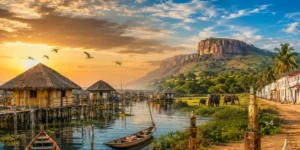
The Solomon Islands, located in the southwestern Pacific Ocean, is an archipelago of over 900 islands, lying east of Papua New Guinea and northwest of Vanuatu. Covering an area of about 28,400 square kilometers, the islands are renowned for their lush rainforests, volcanic mountains, coral reefs, and diverse marine life. The country holds ecological and cultural significance, serving as home to some of the world’s most unique biodiversity and vibrant indigenous cultures. The islands’ remote location has helped preserve traditional lifestyles while also shaping a strong sense of community and connection to nature.
Ancient Legacy and Historical Significance
The Solomon Islands have been inhabited for thousands of years, with early settlers believed to have migrated from Southeast Asia and Melanesia. These communities developed sophisticated agricultural systems, fishing techniques, and village-based societies with chiefs leading social and political life.
European contact began in the 16th century with Spanish explorers, followed by British explorers and traders. During the late 19th century, the islands became a British protectorate, which introduced new governance structures while maintaining traditional leadership roles. The Solomon Islands played a crucial role during World War II, witnessing significant battles such as Guadalcanal, which shaped the course of the Pacific War.
After decades under colonial administration, the Solomon Islands gained full independence in 1978. Since then, the nation has worked to balance modernization with the preservation of its rich cultural and natural heritage.
Cultural Traditions and Cuisine
Solomon Islands culture is deeply rooted in community, storytelling, and respect for elders. Music and dance are central to celebrations, with traditional songs, panpipe ensembles, and rhythmic drumming reflecting history and communal values. Festivals often showcase canoe races, cultural performances, and artistic displays that celebrate indigenous identity.
Traditional attire includes woven skirts, tapa cloth, and decorative body paint used during ceremonies, while modern clothing is worn in daily life. Craftsmanship such as carving, weaving, and shell ornament making remains vital to cultural expression.
The cuisine emphasizes locally sourced ingredients like seafood, taro, yams, coconuts, and tropical fruits. Dishes such as coconut fish, boiled root crops, and palusami, made with coconut cream and leafy greens, highlight the islands’ resourcefulness and connection to the land and sea.
The Solomon Islands continue to honor their ancient traditions while embracing the future, standing as a testament to resilience, cultural richness, and natural splendor.