
Saint Vincent and the Grenadines
Saint Vincent and the Grenadines: A Land of Culture, History, and Natural Beauty
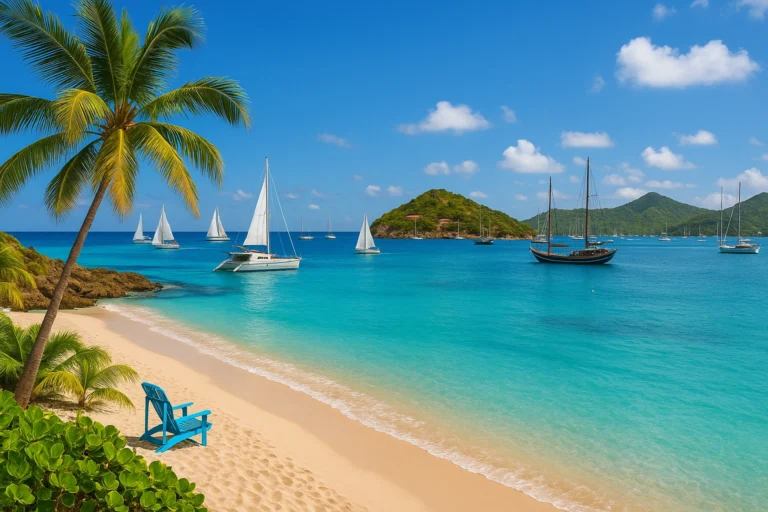
Saint Vincent and the Grenadines is a Caribbean nation located in the Lesser Antilles, north of Grenada and south of Saint Lucia. Covering approximately 389 square kilometers, it consists of the main island of Saint Vincent and a chain of smaller islands known as the Grenadines. The capital, Kingstown, serves as the political and economic center. The country is known for its lush volcanic landscapes, pristine beaches, and vibrant marine life, making it an important destination for tourism and ecological preservation.
Ancient Legacy and Historical Significance
The islands were originally inhabited by the Kalinago people, also known as Caribs, who practiced agriculture, fishing, and crafted pottery. European exploration began in the early 16th century, with both the French and British vying for control of the territory. The indigenous population faced significant challenges from colonization, including warfare, disease, and displacement.
During the colonial period, sugar plantations were established, relying heavily on enslaved Africans, which shaped the islands’ demographics and cultural heritage. Following the abolition of slavery in 1834, the population adapted to new social and economic realities. Saint Vincent and the Grenadines gained full independence from Britain on October 27, 1979, establishing a parliamentary democracy while preserving its rich cultural and historical identity.
Cultural Traditions and Cuisine
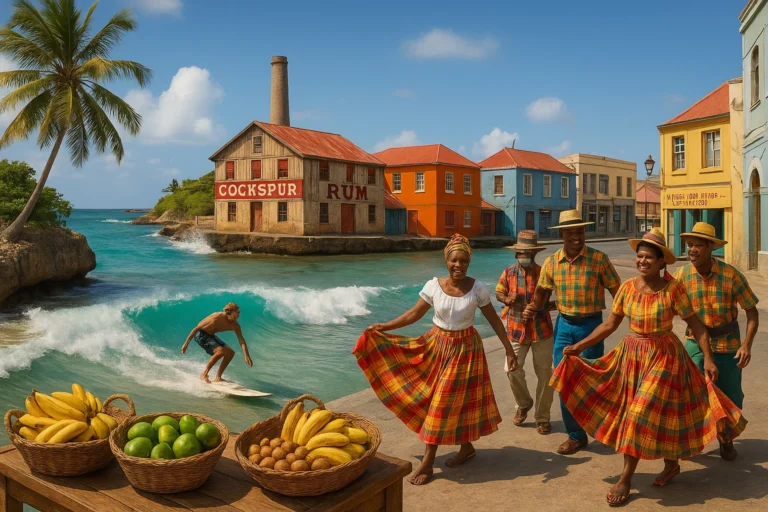
The culture of Saint Vincent and the Grenadines is a dynamic blend of African, European, and Indigenous influences. Music and dance are central to life, with calypso, soca, reggae, and traditional folk dances performed during festivals and community gatherings. The annual Vincy Mas Carnival is the largest cultural celebration, featuring colorful parades, elaborate costumes, and lively performances that highlight national pride and creativity. Traditional clothing reflects the island’s heritage, often incorporating vibrant colors and patterns during festivals and special occasions.
Vincentian cuisine emphasizes local and fresh ingredients. Signature dishes include
roti
,
fried jackfish
,
callaloo soup
, and
ground provisions
such as yams, cassava, and plantains. Tropical fruits like mangoes, bananas, and papayas are commonly enjoyed, while rum and local beverages play an integral role in social and festive gatherings.
Saint Vincent and the Grenadines is a nation where history, culture, and natural beauty converge, offering a vibrant and memorable Caribbean experience.
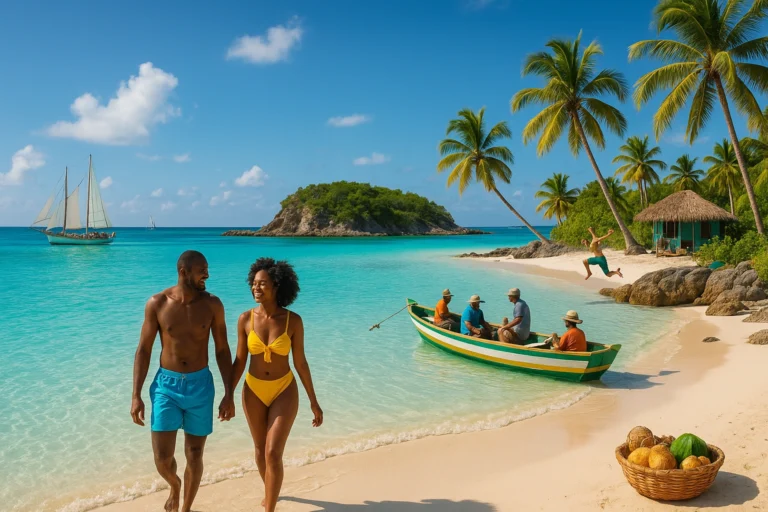 Bahamas
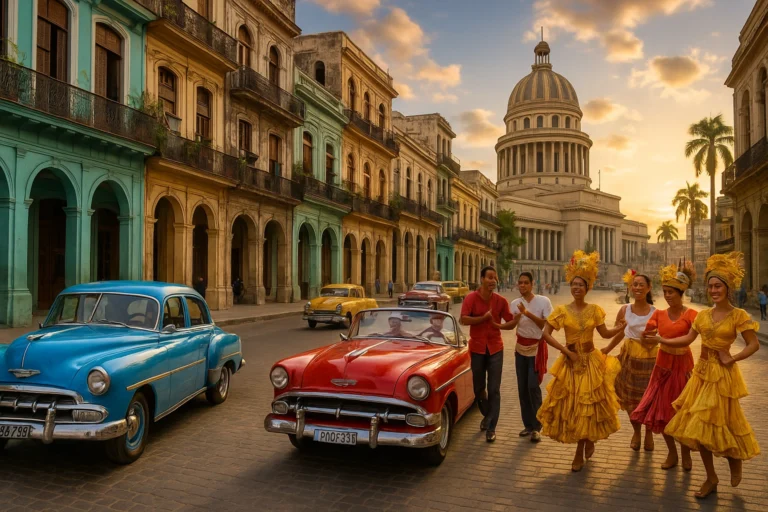 Cuba
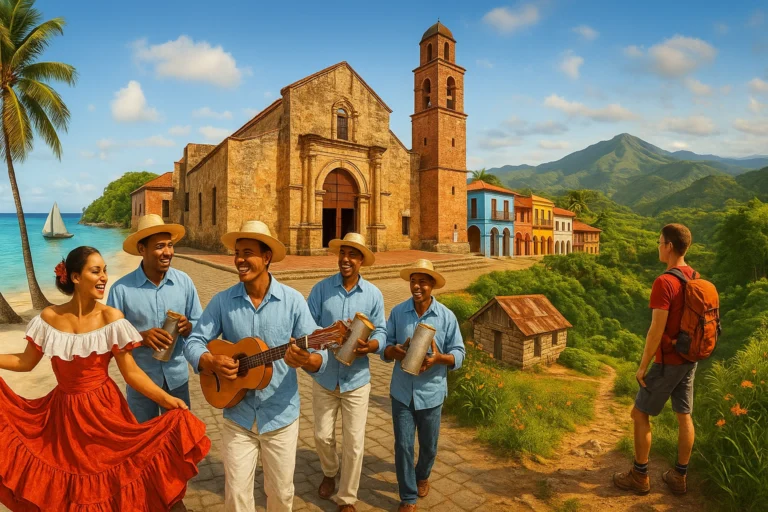 Dominican Republic
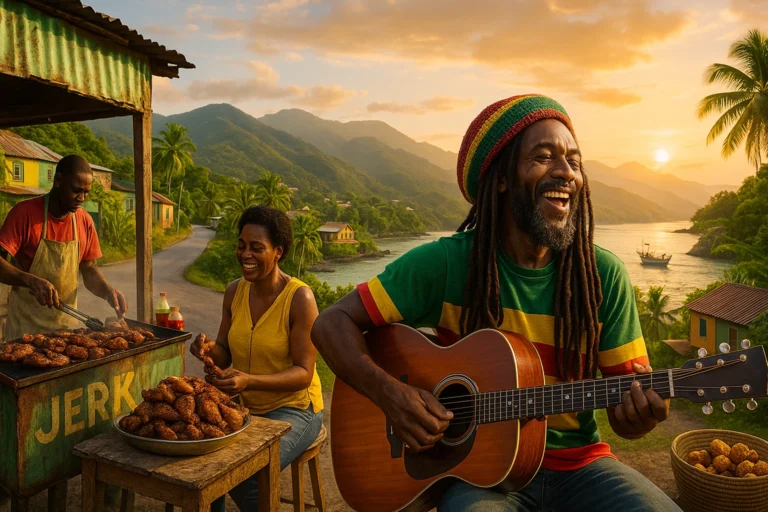 Jamaica
 Antigua and Barbuda
 Barbados