
Haiti
Haiti: Land of Resilience, Culture, and Heritage
Haiti is a Caribbean nation located on the western part of the island of Hispaniola, which it shares with the Dominican Republic. Covering approximately 27,750 square kilometers, it is known for its mountainous terrain, tropical climate, and stunning coastlines along the Caribbean Sea and the Atlantic Ocean. The capital city, Port-au-Prince, serves as the political and cultural center of the nation. Haiti is celebrated for its rich history, artistic expression, and strong cultural identity, making it a unique and influential country in the Caribbean region.
Ancient Legacy and Historical Significance
Before European contact, Haiti was inhabited by the Taíno people, who lived in organized communities, practiced agriculture, and crafted pottery and tools. Their society thrived for centuries until the arrival of Christopher Columbus in 1492, who claimed the island for Spain. The native population faced a dramatic decline due to disease, warfare, and forced labor under Spanish rule.
During the 17th century, French settlers gained control over the western part of the island and established sugar and coffee plantations that relied heavily on enslaved Africans. Haiti became the wealthiest colony in the Americas due to this labor-intensive economy. The struggles of enslaved people led to the Haitian Revolution, beginning in 1791. Under leaders such as Toussaint Louverture and Jean-Jacques Dessalines, Haiti achieved independence in 1804, becoming the first Black republic in the world and the second independent nation in the Americas. This revolutionary history is a cornerstone of Haitian identity and pride.
Cultural Traditions and Cuisine
Haitian culture is a vibrant blend of African, French, and Indigenous influences. Music and dance are central to daily life, with styles such as kompa, rara, and traditional folk dances performed during festivals and community gatherings. Celebrations like Carnival and Rara Festival feature elaborate costumes, drumming, and parades that showcase the nation’s creativity and communal spirit. Haitian art, including painting, sculpture, and storytelling, reflects social themes, spirituality, and historical memory.
Haitian cuisine is flavorful and diverse, relying on local ingredients and bold spices. Popular dishes include griot (fried pork), tassot (fried beef), pikliz (spicy pickled vegetables), and rice with beans. Fresh tropical fruits like mangoes, papayas, and coconuts are commonly enjoyed. Bread and local pastries, influenced by French traditions, are also popular.
Haiti is a nation of resilience, creativity, and deep cultural roots, where history and tradition shape a vibrant and enduring identity.
 Bahamas
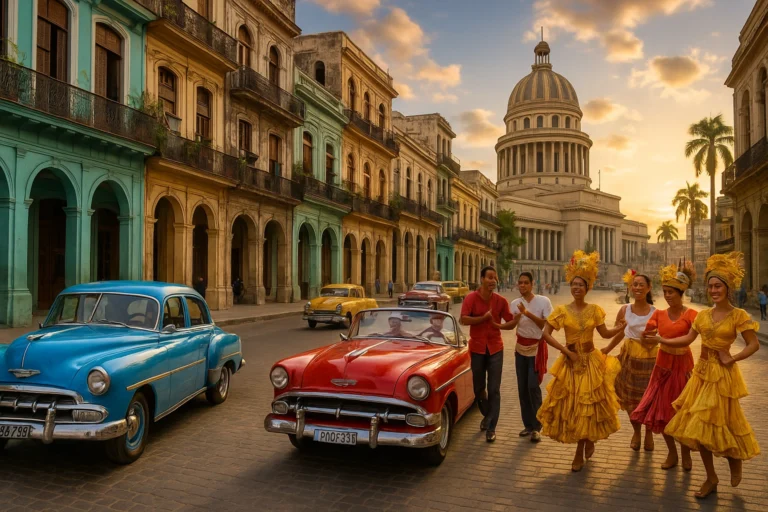 Cuba
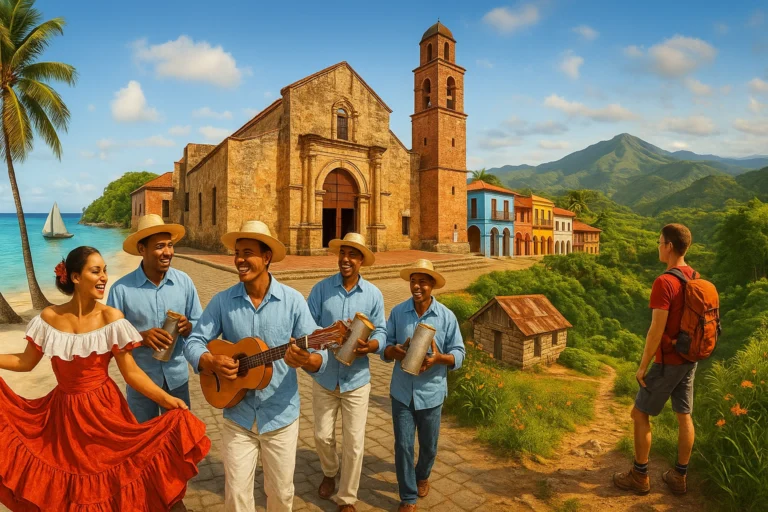 Dominican Republic
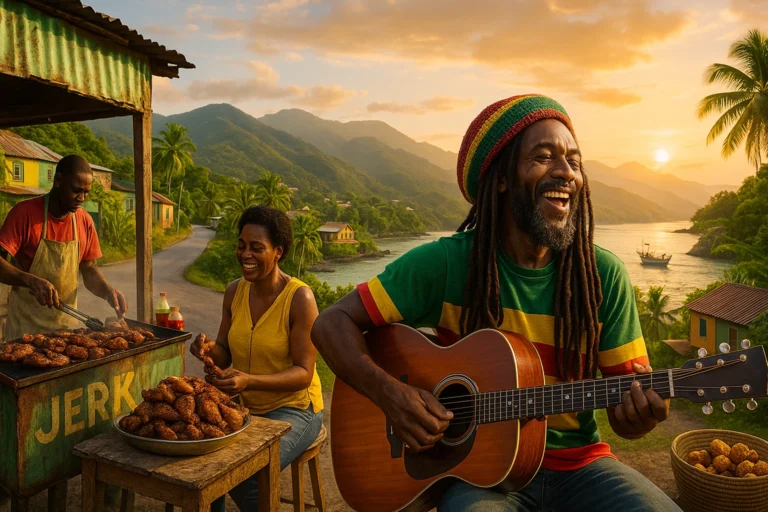 Jamaica
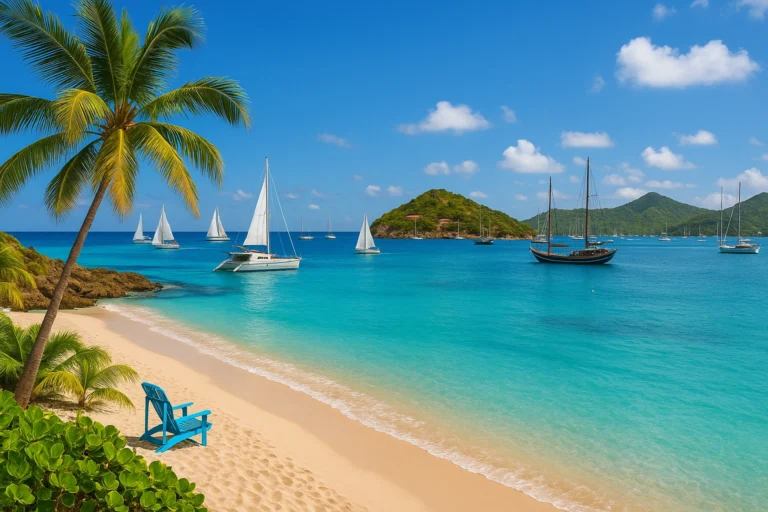 Antigua and Barbuda
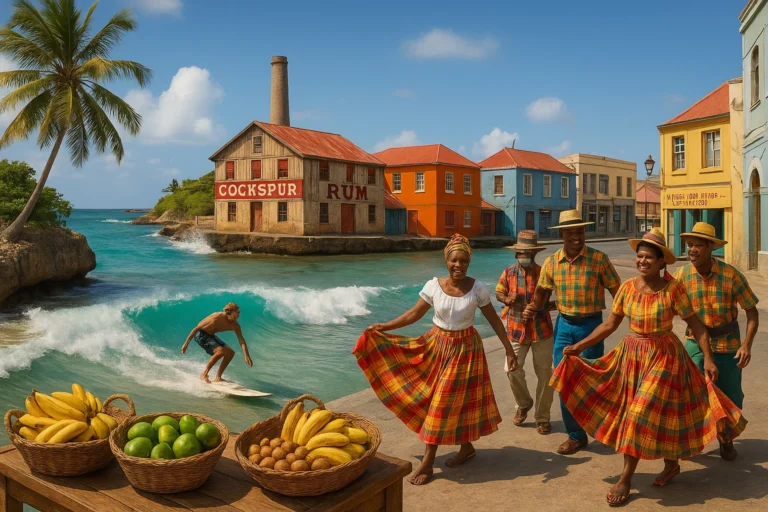 Barbados