
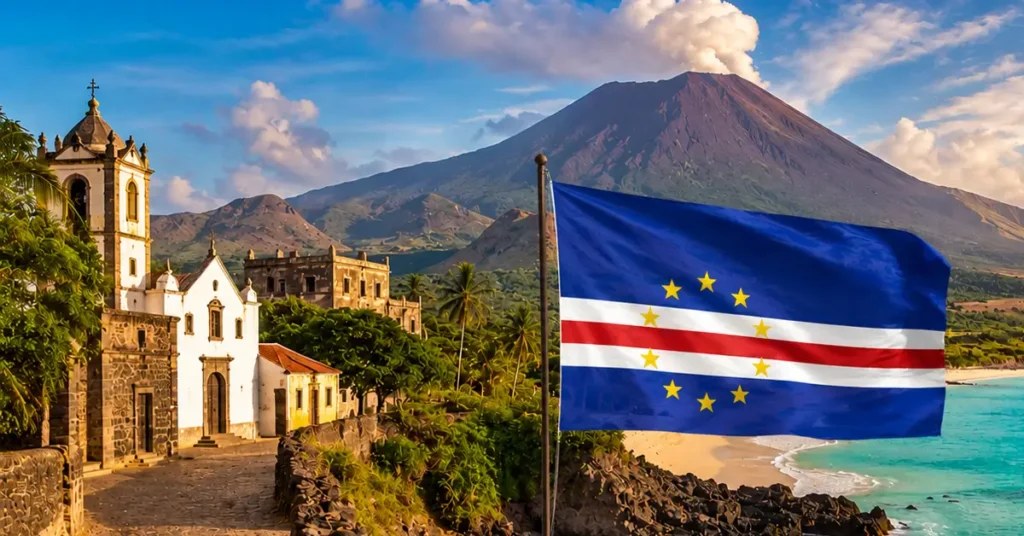
Cape Verde or Cabo Verde is one of the most diverse and rewarding island destinations in the world. Sitting in the Atlantic Ocean off the coast of West Africa, this archipelago of ten islands offers something for every type of traveller. If you are searching for the best places to visit in Cape Verde, you will find stunning beaches, active volcanoes, rich Creole culture and some of the best music scenes in Africa. Whether you want to relax on white sand beaches, hike through dramatic mountain valleys or explore a UNESCO World Heritage city, Cape Verde delivers. This 2026 guide helps you choose the right islands and plan your perfect trip.
Table of Contents
Why Visit Cape Verde?
1. Year-Round Sunshine
Cape Verde or Cabo Verde enjoys warm, sunny weather throughout the year. The islands sit in the tropical Atlantic and benefit from consistent temperatures between 22 and 30 degrees Celsius. This makes Cape Verde one of the most reliable sun destinations available to travellers from Europe, North America and beyond, with no really bad season to worry about.
2. Mix of Relaxation and Adventure
Cape Verde is rare in that it genuinely caters to completely different types of travellers within the same destination. You can spend a week doing nothing but lying on a beach on Sal, or you can spend that same week hiking through volcanic craters and mountain valleys on Santo Antão or Fogo. Many travellers combine both in a single trip.
3. Unique Creole Culture
Cape Verde has a fascinatingly unique cultural identity shaped by centuries of Portuguese colonial history and West African heritage. The result is a Creole culture that is expressed through music, food, language and daily life in a way that feels completely distinct from anywhere else in the world. The musical genre of Morna, made famous internationally by Cesaria Evora, was born here and remains a living tradition.
7 Best Places to Visit in Cape Verde
1. Sal – Best for Beaches and Resorts
Sal is the most popular island in Cape Verde and the top choice for first-time visitors and beach lovers. The island is flat, sunny and almost entirely focused on tourism, with Santa Maria as its main town and beach hub. Santa Maria Beach is one of the finest stretches of white sand in the Atlantic, with shallow, warm turquoise water that is perfect for swimming and paddling.
Sal is also one of the world’s top destinations for water sports. The constant trade winds make it ideal for kitesurfing and windsurfing, and the clear water is great for diving and snorkeling. The town of Santa Maria has a wide range of restaurants, beach bars and nightlife options that keep the evenings lively.
Key highlights of Sal:
- Santa Maria Beach for swimming and sunbathing
- Kitesurfing and windsurfing at Ponta Preta
- Scuba diving and snorkelling in clear Atlantic water
- Lively restaurant and bar scene in Santa Maria town
- Best island for first-time visitors and package holidays
2. Boa Vista – Deserted Beaches and Dunes
Boa Vista is Cape Verde’s island of sand. Vast stretches of deserted beach, enormous golden sand dunes and a wide, flat landscape give the island a dramatic, almost desert-like appearance that is unlike anywhere else in the archipelago. If you want beaches without crowds, Boa Vista is the answer.
The island is also one of the most important loggerhead turtle nesting sites in the world. Between June and October, female turtles come ashore at night to lay their eggs on the beaches. Guided turtle watching tours are available and are among the most memorable wildlife experiences Cape Verde has to offer.
Key highlights of Boa Vista:
- Deserted white sand beaches stretching for miles
- Santa Monica Beach, one of the longest beaches in Cape Verde
- Turtle nesting tours from June to October
- Sand dune landscapes near Chaves and Viana Desert
- Very relaxed, uncrowded atmosphere ideal for slow travel
3. Santiago – Culture and History
Santiago is the largest island in Cape Verde and the most historically and culturally significant. The capital city of Praia is the country’s main urban center and has a lively local market scene, colonial architecture and a genuine everyday city atmosphere that feels very different from the resort islands of Sal and Boa Vista.
The greatest attraction in Santiago is Cidade Velha, a small town that was the first European colonial settlement in the tropics and is now a UNESCO World Heritage Site. The ruins of the original cathedral, the Pillory of the Royal Square and the Fortaleza Real de São Filipe fortress overlooking the town tell the story of Cape Verde’s role in Atlantic exploration and the transatlantic slave trade.
Key highlights of Santiago:
- Cidade Velha, a UNESCO World Heritage Site
- Fortaleza Real de São Filipe fortress with panoramic ocean views
- Praia city market and local cultural life
- Tarrafal beach in the north is one of the most beautiful on the island
- Best island for travellers interested in history and local culture
4. São Vicente – Music and Nightlife
São Vicente is the cultural heart of Cape Verde. Its main city, Mindelo, is widely considered the most cosmopolitan and artistically vibrant city in the archipelago. The streets of Mindelo are full of colorful colonial buildings, art galleries, music venues and outdoor cafes. The city has a creative energy that feels alive at all hours.
Mindelo is the home of Cape Verde Carnival, held every February, which is the biggest and most spectacular festival in the country. The city is also the birthplace of Morna music and celebrates its musical heritage through live performances, festivals and cultural centres throughout the year.
Key highlights of São Vicente:
- Mindelo city, the cultural and artistic capital of Cape Verde
- Cape Verde Carnival in February is the biggest festival in the country
- Live Morna music performances in local bars and cultural centres
- Monte Verde, the highest point on the island with hiking trails
- Beautiful harbour views and waterfront dining in Mindelo
5. Santo Antão – Hiking Paradise
Santo Antão is the most dramatic and visually stunning island in Cape Verde for outdoor enthusiasts. The island’s interior is a landscape of towering green mountains, deep river valleys, ancient volcanic craters and terraced fields carved into impossibly steep hillsides. Hiking here is genuinely world-class and attracts experienced trekkers from around the globe.
The Paul Valley and Ribeira Grande trails are among the most famous walks in the archipelago. Winding paths take you through lush green valleys where farmers grow sugar cane and coffee on narrow terraced plots, past small mountain villages and along ridges with panoramic views over the Atlantic far below.
Key highlights of Santo Antão:
- Paul Valley hiking trail through lush green terraced valleys
- Ribeira Grande and Ponta do Sol as base towns for hiking
- Mountain village culture and local rum distilleries
- Dramatic volcanic crater landscapes in the interior
- Easy ferry connection from Mindelo on São Vicente
6. Fogo – Volcanic Adventure
Fogo is Cape Verde’s most dramatic island and one of the most extraordinary volcanic destinations in the world. The island is dominated by Pico do Fogo, an active volcano that rises 2,829 meters above sea level, making it the highest point in Cape Verde and one of the highest peaks in the Atlantic islands.
Hiking to the summit of Pico do Fogo is the ultimate adventure activity in Cape Verde. The climb takes you through the Cha das Caldeiras caldera, a vast volcanic crater where a small community of farmers live and produces wine from vineyards growing directly on the black lava soil. The Fogo wine is unique, deeply flavorful and can only be found here.
Key highlights of Fogo:
- Pico do Fogo summit hike, the highest peak in Cape Verde
- Cha das Caldeiras caldera village and lava landscapes
- Fogo wine tasting from vineyards grown on volcanic soil
- Black sand beaches around São Filipe town
- São Filipe town has beautiful colonial architecture
7. Brava – Hidden Gem Island
Brava is the smallest and least visited inhabited island in Cape Verde. It is green, hilly, quiet and genuinely remote. The island has no airport and is only accessible by ferry from Fogo, which keeps tourist numbers very low. The main town of Nova Sintra is charming and filled with flowers and Portuguese colonial architecture.
Brava is the perfect destination for travellers who want to completely escape the crowds and experience a slower, more authentic side of Cape Verdean life. The hiking is good, the locals are welcoming and the island has a peaceful, timeless quality that is increasingly rare.
Key highlights of Brava:
- Nova Sintra town, one of the most charming in Cape Verde
- Hiking through green valleys and coastal cliffs
- Very few tourists and a genuinely authentic atmosphere
- Perfect combination trip with neighbouring Fogo Island
- Quiet beaches and dramatic ocean scenery
Which Cape Verde Island is Best for You?
| Travel Style | Best Islands | Highlights |
| Relaxation and beaches | Sal, Boa Vista | White sand beaches, resorts, water sports |
| Culture and history | Santiago, São Vicente | UNESCO sites, Morna music, Carnival |
| Hiking and adventure | Santo Antão, Fogo | Mountain trails, volcano hike, calderas |
| Off the beaten path | Brava | Remote, quiet, authentic local life |
Best Time to Visit Cape Verde
1. November to June (Best Overall Weather)
This is the best time to visit Cape Verde for most travellers. The weather is warm and dry, the skies are clear, and the sea is calm and inviting. Temperatures are slightly cooler from December to February, which many visitors actually prefer for sightseeing and hiking. This period also includes the Cape Verde Carnival in February, which is the best time to visit Mindelo.
2. Windy Season (Good for Kitesurfing)
The trade winds blow strongest between November and March, making this the peak season for kitesurfing and windsurfing on Sal and Boa Vista. If water sports are your main purpose for visiting, these months offer the most consistent wind conditions.
3. Festival Timing
- Cape Verde Carnival: February in Mindelo on São Vicente
- Turtle nesting season: June to October on Boa Vista
- São João Festival: June across multiple islands
- Atlantic Music Expo: April in Praia on Santiago
Things to Know Before Visiting Cape Verde
1. Visa Requirements
Cape Verde operates an eVisa system that makes entry straightforward for most nationalities. Most travellers, including citizens of the United States, United Kingdom, European Union, Canada and Australia, can apply for a visa online before arrival. The eVisa costs approximately $30 USD and is processed within a few days. Apply at least 1 week before travel, and always verify requirements with the Cape Verde consulate in your country.
2. Is Cape Verde Safe?
Cape Verde is one of the safest destinations in Africa and one of the most politically stable countries on the continent. Crime against tourists is relatively low, particularly on the resort islands of Sal and Boa Vista. Basic precautions, such as keeping valuables secure and avoiding isolated areas at night, apply as they would in any destination. The country is considered safe for solo travellers, including women travelling alone.
3. Getting Around the Islands
- Inter-island flights with TACV and Bestfly connect all main islands quickly
- Ferries connect some islands, including São Vicente to Santo Antão and Fogo to Brava
- Flights are faster, but ferries offer a scenic and affordable alternative
- Within each island, taxis and shared minibuses called aluguers are the main transport
- Car rental is available on Sal, Boa Vista, Santiago and São Vicente for more flexibility
4. Currency and Costs
The official currency is the Cape Verdean Escudo (CVE), which is pegged to the euro. Euros are widely accepted on the resort islands of Sal and Boa Vista. ATMs are available on all major islands. Credit cards are accepted at most hotels and larger restaurants.
- Budget travellers: $60 to $80 USD per day staying in guesthouses
- Mid-range travellers: $100 to $180 USD per day with comfortable hotels
- Resort travellers: $200 USD and above per day at all-inclusive properties
- Local meals at small restaurants cost between $5 and $12 USD
- Inter-island flights cost between $40 and $100 USD, depending on the route
Suggested 7 to 10 Day Cape Verde Itinerary
Option 1: Relaxation (Sal and Boa Vista)
| Day | Destination | Main Activities |
| Day 1 to 4 | Sal | Santa Maria Beach, kitesurfing, diving, Santa Maria town nightlife |
| Day 5 to 7 | Boa Vista | Deserted beaches, sand dunes, turtle watching tour |
| Day 8 | Return to Sal | Airport departure |
Option 2: Adventure and Culture (Santiago, São Vicente and Santo Antão)
| Day | Destination | Main Activities |
| Day 1 to 3 | Santiago | Cidade Velha UNESCO site, Praia city, Tarrafal beach |
| Day 4 to 6 | São Vicente | Mindelo city, live music, Carnival if in season |
| Day 7 to 9 | Santo Antão | Paul Valley hike, mountain villages, scenic coastal trails |
| Day 10 | Return via São Vicente | Departure flight from Mindelo |
What is Cape Verde Famous For?
1. Beaches
Cape Verde is famous for some of the best beaches in the Atlantic world. From the resort beaches of Sal and Boa Vista to the quieter shores of Santiago and Brava, the islands offer an enormous variety of beach experiences in warm, clear water.
2. Morna Music
Morna is a hauntingly beautiful musical genre that originated in Cape Verde and was brought to international attention by singer Cesaria Evora. The music expresses a feeling called saudade, a deep longing or melancholy, and is considered one of the world’s great musical traditions.
3. Volcanic Islands
Cape Verde is home to some of the most dramatic volcanic landscapes in the Atlantic. Pico do Fogo is an active volcano that last erupted in 2014 and the islands of Fogo and Santo Antão offer hiking experiences through lava fields, calderas and mountain peaks that rival anything in the Canary Islands or Azores.
FAQs About Visiting Cape Verde
-
Which Cape Verde Island is Best?
It depends on what you want. For beaches and resorts, choose Sal or Boa Vista. For culture and history, choose Santiago or São Vicente. For hiking and volcanic landscapes, choose Santo Antão or Fogo. For a quiet, off-the-beaten-path experience, choose Brava.
-
Is Cape Verde Expensive?
Cape Verde is moderately priced. Resort packages on Sal and Boa Vista can be very affordable compared to European beach destinations. Independent travel on the less touristy islands is even cheaper. The main costs are inter-island flights, which add up if you plan to visit many islands.
-
Do I Need a Visa for Cape Verde?
Most nationalities need an eVisa to enter Cape Verde. It is easy to apply online before your trip, and the cost is approximately $30 USD. Processing takes a few days, so apply at least one week before departure. Check the latest requirements on the official Cape Verde eVisa portal.
-
Is Cape Verde Good for Families?
Yes, Cape Verde is an excellent family destination. Sal and Boa Vista have calm, shallow beaches that are safe for children, family-friendly resorts and good water sports facilities. The islands are safe, the climate is excellent year-round, and the flight time from Europe is short, making it an easy family getaway.
Map of the Best Places to Visit in Cape Verde
Final Thoughts on Visiting Cape Verde
Cape Verde is a destination that rewards travellers who take the time to choose the right islands for their travel style. No two islands are the same. Sal and Boa Vista deliver pure beach relaxation, Santiago and São Vicente offer culture and history, Santo Antão and Fogo provide world-class adventure, and Brava offers something genuinely off the beaten path. Whatever you are looking for, there is an island in Cape Verde that matches it perfectly. Start planning by deciding what kind of trip you want, and let the islands do the rest.