Kiribati: A Land of Ocean Heritage and Island Resilience
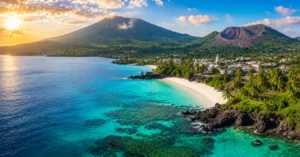
Kiribati is a unique island nation situated in the central Pacific Ocean, straddling the equator and stretching across both the eastern and western hemispheres. Comprising 33 coral atolls and reef islands, it covers a vast ocean area, though its total landmass is just about 810 square kilometers. The capital, South Tarawa, lies on the Tarawa Atoll and serves as the political and economic hub. Kiribati is renowned for its pristine lagoons, traditional lifestyle, and the warmth of its people. Its location makes it one of the first countries to greet each new day, symbolizing renewal and resilience amid the challenges of climate change and rising sea levels.
Ancient Legacy and Historical Significance
The islands of Kiribati were settled over 3,000 years ago by Micronesian peoples skilled in navigation, fishing, and canoe building. Early Kiribati communities lived in close harmony with nature, developing a deep respect for the ocean and land that sustained them. Social structures were organized around family clans, guided by elders who upheld traditions and resolved conflicts through wisdom and consensus.
European explorers arrived in the 16th century, followed by traders and missionaries in the 19th century. The islands were later colonized by Britain and became part of the Gilbert and Ellice Islands Colony. During World War II, Kiribati saw intense battles, particularly on Tarawa Atoll. The nation gained independence in 1979, becoming the Republic of Kiribati. Since then, it has proudly maintained its cultural identity while engaging actively in global discussions on environmental sustainability and climate action.
Cultural Traditions and Cuisine
Kiribati’s culture is deeply connected to the ocean, reflected in its music, dance, and storytelling. Traditional te mwaie dances are graceful performances that express emotions and communal values through synchronized movements and chants. Celebrations and festivals often feature singing, drumming, and sharing of local delicacies. The people are known for their hospitality, humility, and strong sense of community.
Clothing is typically lightweight and suited to the tropical climate, with women wearing colorful tibuta blouses and wraparound skirts. Traditional crafts such as weaving mats, hats, and ornaments from coconut and pandanus leaves remain an important part of daily life. Kiribati cuisine relies on seafood, coconut, and root crops like taro and breadfruit. Dishes such as palusami (taro leaves baked in coconut cream) and fresh fish highlight the island’s resourceful use of natural ingredients. Kiribati stands as a proud guardian of ocean culture and heritage, embodying strength, unity, and a deep bond with nature.