
Saint Lucia
Saint Lucia: A Land of Culture, Beauty, and Heritage
Saint Lucia is a picturesque island nation in the Eastern Caribbean, located north of Saint Vincent and the Grenadines and south of Martinique. Covering approximately 617 square kilometers, it is known for its volcanic landscapes, lush rainforests, and stunning beaches. The capital, Castries, serves as the political and economic hub of the country. Saint Lucia’s strategic location, natural beauty, and rich cultural heritage make it a significant destination in the Caribbean, attracting visitors with its blend of history, nature, and vibrant traditions.
Ancient Legacy and Historical Significance
The island was originally inhabited by the Arawak and later the Carib peoples, who established communities based on agriculture, fishing, and trade. European interest began in the 17th century, with both the French and British vying for control of the island. Saint Lucia changed hands multiple times, earning the nickname “Helen of the West Indies” due to its contested status.
During colonization, sugarcane plantations were established, relying on enslaved Africans, which significantly shaped the island’s demographic and cultural development. Slavery was abolished in 1834, leading to social and economic changes. Saint Lucia gradually progressed toward self-governance, achieving full independence from Britain on February 22, 1979, and becoming a member of the Commonwealth. Its history is a testament to resilience and cultural fusion, blending Indigenous, African, and European influences.
Cultural Traditions and Cuisine
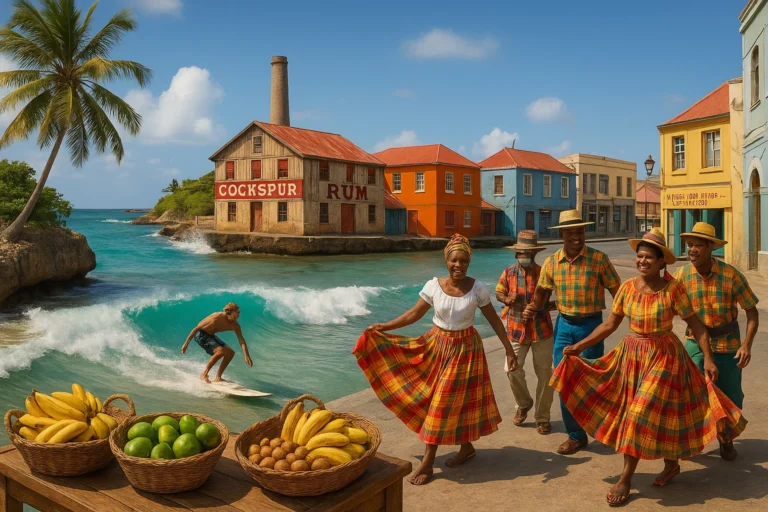
Saint Lucian culture is vibrant, reflecting African, French, and Indigenous heritage. Music and dance are central to life, with genres such as calypso, soca, and reggae widely celebrated. The island’s annual Carnival showcases colorful parades, elaborate costumes, and lively street performances, highlighting national pride and creativity. Traditional clothing often features bright fabrics and festive designs, worn during cultural celebrations and ceremonies.
Cuisine in Saint Lucia emphasizes fresh, local ingredients and bold flavors. Popular dishes include green figs and saltfish, callaloo soup, roti, and various seafood preparations. Tropical fruits such as mangoes, bananas, and breadfruit are widely enjoyed, while spices and herbs enhance the flavors of traditional meals. Local beverages like rum punch and sorrel are popular during festivals and gatherings.
Saint Lucia is a nation where history, culture, and natural beauty converge, offering a vibrant and unforgettable Caribbean experience.
 Bahamas
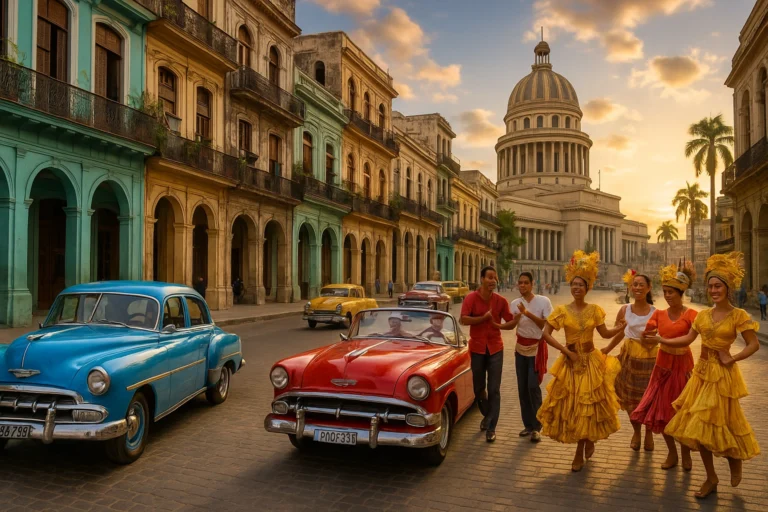 Cuba
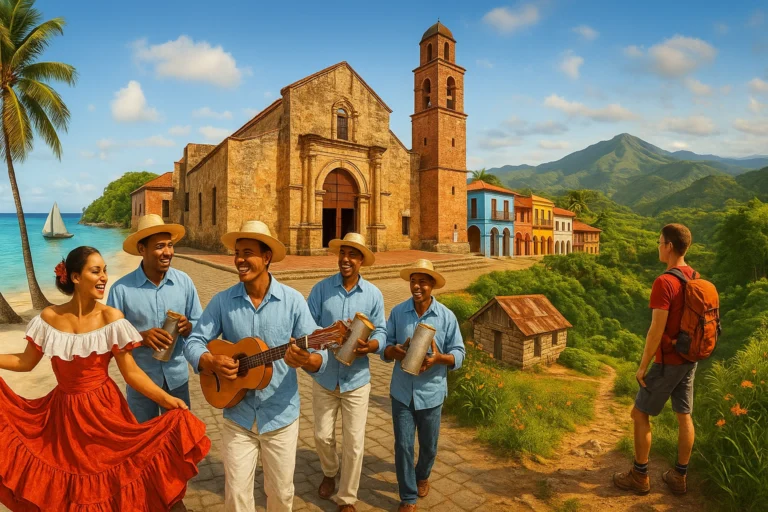 Dominican Republic
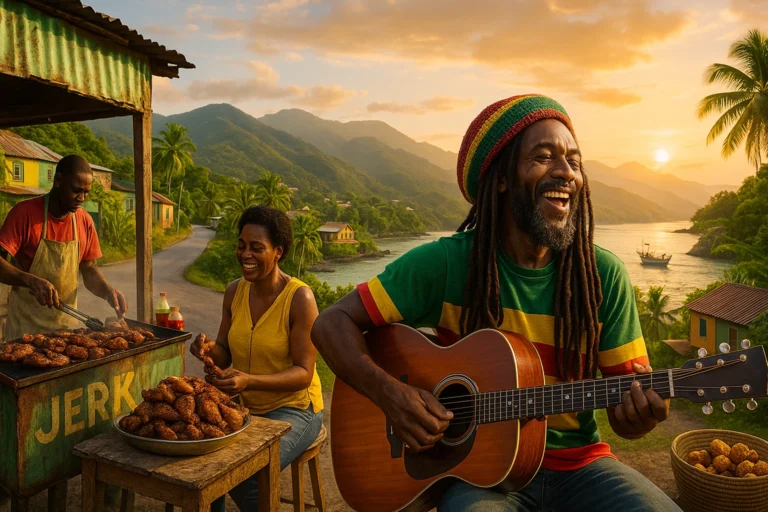 Jamaica
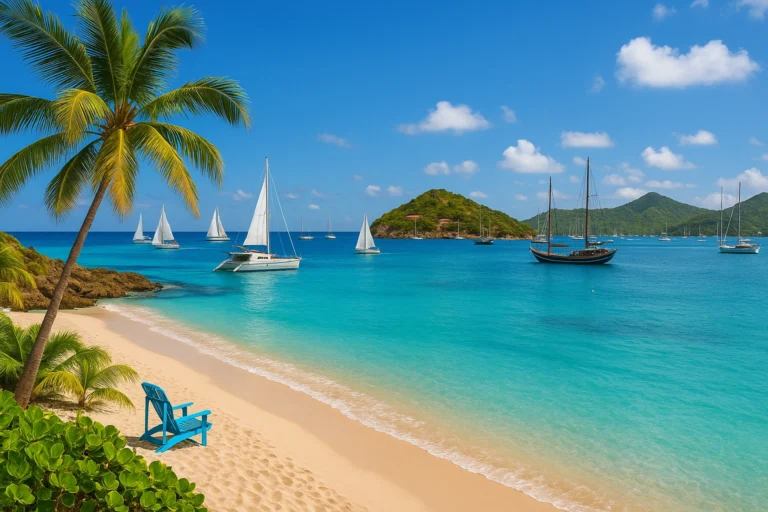 Antigua and Barbuda
 Barbados