
Dominican Republic
Dominican Republic: Land of Culture, Rhythm, and Coastal Beauty
The Dominican Republic is a vibrant Caribbean nation located on the island of Hispaniola, which it shares with Haiti. Covering about 48,700 square kilometers, it is the second-largest country in the Caribbean, known for its stunning beaches, mountain ranges, and tropical climate. The capital city, Santo Domingo, is one of the oldest European settlements in the Americas and a UNESCO World Heritage Site. With its rich history, welcoming people, and lively atmosphere, the Dominican Republic stands as a cultural and economic hub of the Caribbean, blending natural beauty with deep historical roots.
Ancient Legacy and Historical Significance
Before European arrival, the island was inhabited by the Taíno people, who lived peacefully and practiced agriculture, fishing, and craftsmanship. Their society was organized under local chiefs known as caciques. In 1492, Christopher Columbus landed on the island, marking the beginning of European colonization in the New World. Santo Domingo, founded in 1498, became the first permanent Spanish colony and served as the administrative center for Spain’s American empire.
Over the following centuries, the island experienced periods of conflict and foreign control, including French occupation and struggles with neighboring Haiti. The Dominican Republic declared its independence from Haiti on February 27, 1844, under the leadership of Juan Pablo Duarte and other national heroes. Although the country faced political challenges in the years that followed, it eventually established a stable republic. Today, it is a proud and thriving nation that embraces both its African and Spanish heritage while moving forward with a strong sense of national identity.
Cultural Traditions and Cuisine
The Dominican Republic’s culture is a vibrant mix of African, Spanish, and Indigenous Taíno influences. Music and dance play a central role in daily life, with
merengue
and
bachata
being the country’s most famous musical genres, recognized and celebrated around the world. Carnival, held each February, is a spectacular display of color, music, and creativity, featuring elaborate masks and parades that reflect the nation’s joyful spirit.
Traditional clothing includes bright, flowing dresses and festive attire worn during cultural celebrations. Dominican cuisine is flavorful and hearty, with dishes like
la bandera
(rice, beans, and meat),
mangu
(mashed plantains), and
sancocho
(a rich meat and vegetable stew) being local favorites. Tropical fruits such as mangoes, pineapples, and coconuts are also staples of the diet.
The Dominican Republic is a land of rhythm, warmth, and history, where tradition and modern life come together to create a truly dynamic and unforgettable culture.
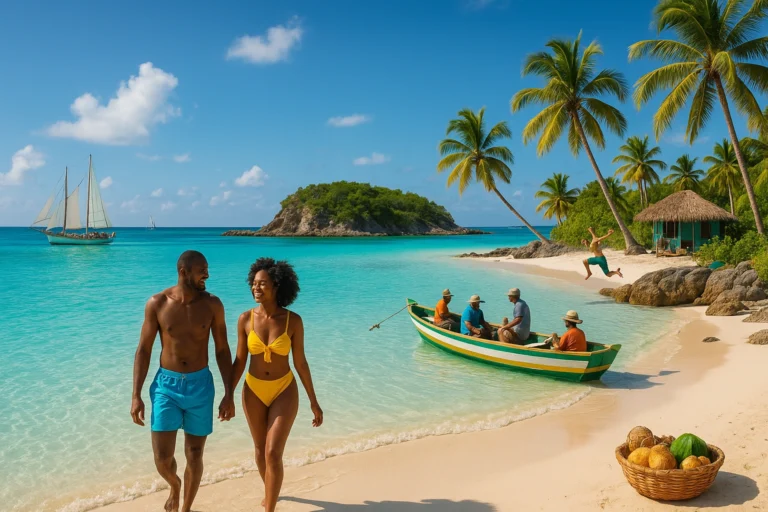 Bahamas
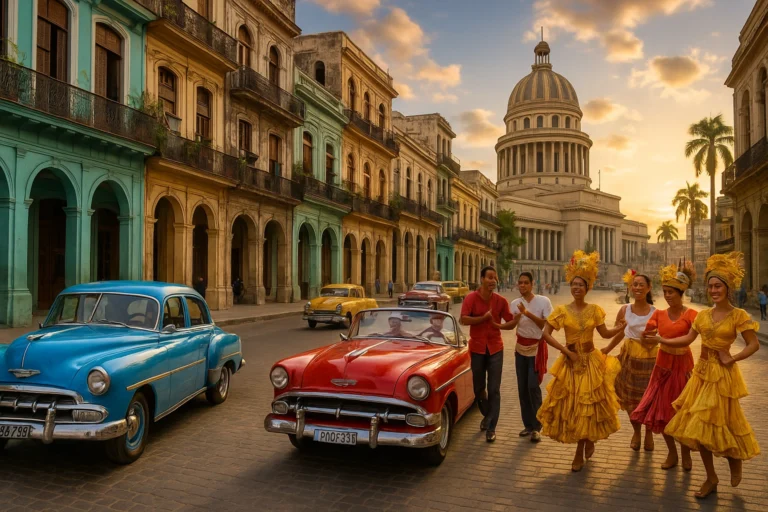 Cuba
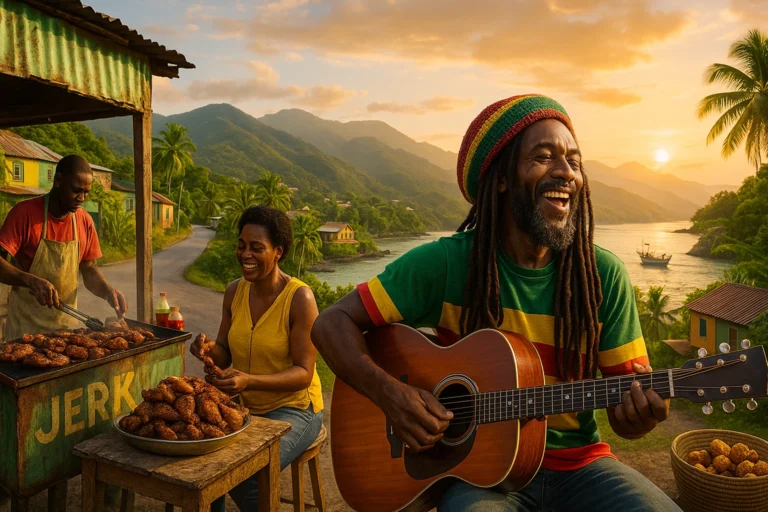 Jamaica
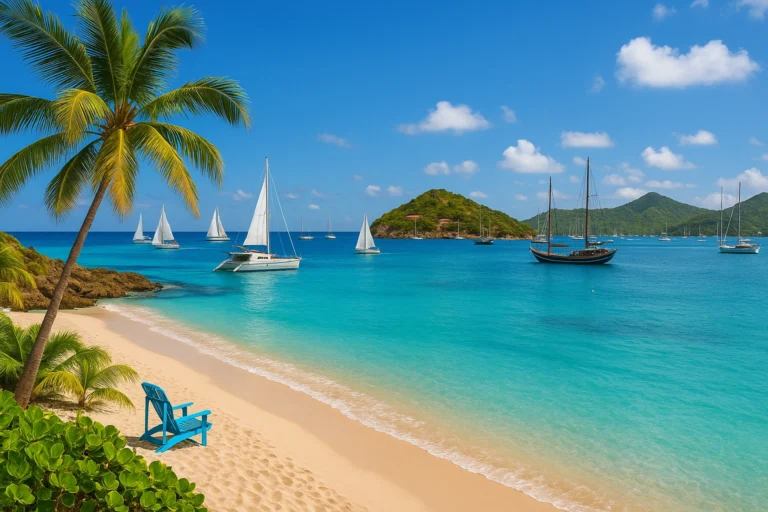 Antigua and Barbuda
 Barbados
 Dominica