
Cuba
Cuba: Island of Rhythm, Revolution, and Cultural Pride
Cuba is the largest island in the Caribbean, located at the meeting point of the Gulf of Mexico, the Atlantic Ocean, and the Caribbean Sea. Covering about 110,000 square kilometers, it is known for its rich culture, colonial architecture, and vibrant energy. The capital city, Havana, is famous for its colorful streets, vintage cars, and lively music scene.
Cuba’s diverse geography includes fertile plains, mountain ranges, and stunning coastlines, making it both historically significant and naturally captivating. As a nation, Cuba stands out for its resilience, artistic expression, and deep national identity that reflects centuries of cultural blending and transformation.
Ancient Legacy and Historical Significance
Before European contact, Cuba was inhabited by Indigenous groups such as the Taíno and Ciboney peoples, who lived by farming, fishing, and pottery-making. Their peaceful way of life changed dramatically after Christopher Columbus arrived on the island in 1492, claiming it for Spain. Spanish colonization began soon after, leading to the establishment of sugar plantations and the forced labor of enslaved Africans. Over time, this mix of cultures formed the foundation of Cuba’s unique heritage.
Throughout the 19th century, Cuba became a key player in the global sugar trade but also the site of growing independence movements. National heroes such as José Martí inspired the Cuban War of Independence, which led to the end of Spanish rule in 1898. The United States briefly occupied the island before Cuba gained formal independence in 1902.
However, political instability persisted until the Cuban Revolution of 1959, led by Fidel Castro and Che Guevara, which reshaped the country’s political and social structure. Today, Cuba remains known for its strong national pride and distinctive socialist system.
Cultural Traditions and Cuisine
Cuban culture is a vibrant fusion of African, Spanish, and Caribbean influences. Music and dance are central to daily life, with rhythms like son, salsa, and rumba filling the streets. The annual Havana Carnival and the Santiago de Cuba Festival celebrate this passion through parades, costumes, and drumming. Cuban art, literature, and film also reflect themes of identity, resistance, and beauty.
Cuban cuisine is flavorful and comforting, built around simple ingredients and bold seasoning. Popular dishes include ropa vieja (shredded beef in tomato sauce), moros y cristianos (black beans and rice), and tostones (fried plantains). Strong Cuban coffee and world-famous cigars add to the island’s cultural charm.
Cuba remains a land of rhythm, creativity, and pride, where history and culture intertwine to create a nation unlike any other.
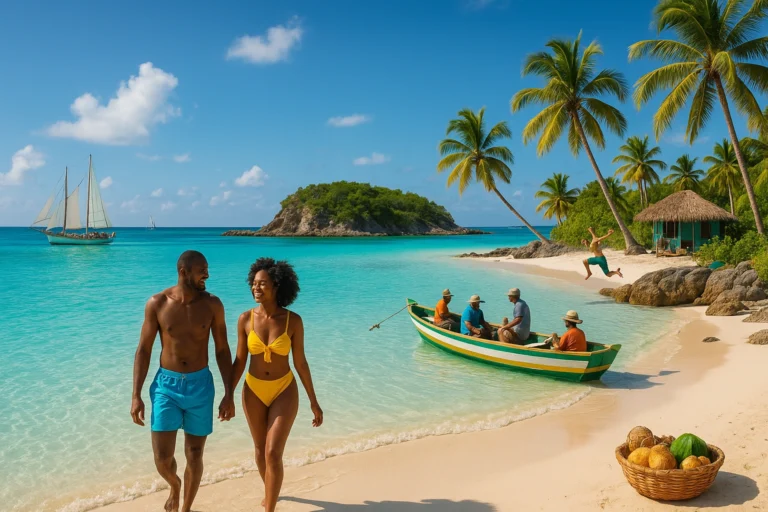 Bahamas
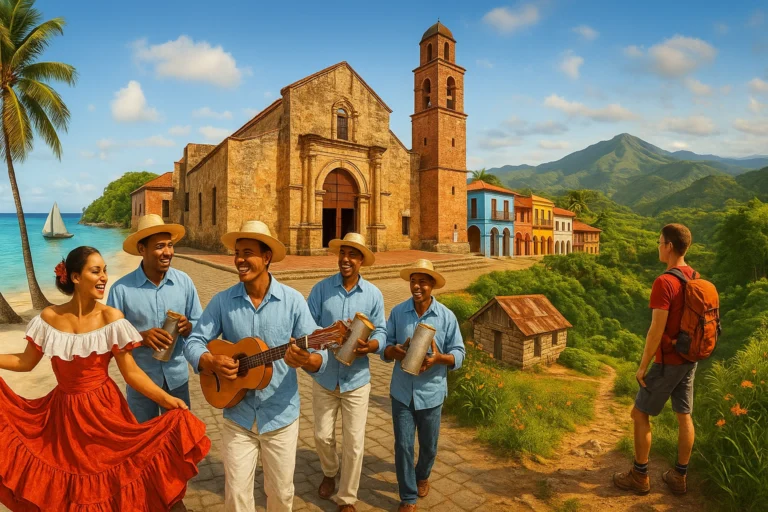 Dominican Republic
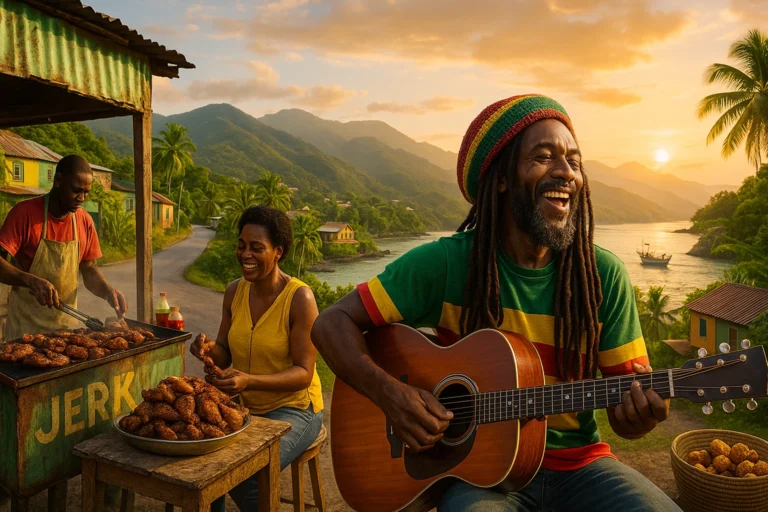 Jamaica
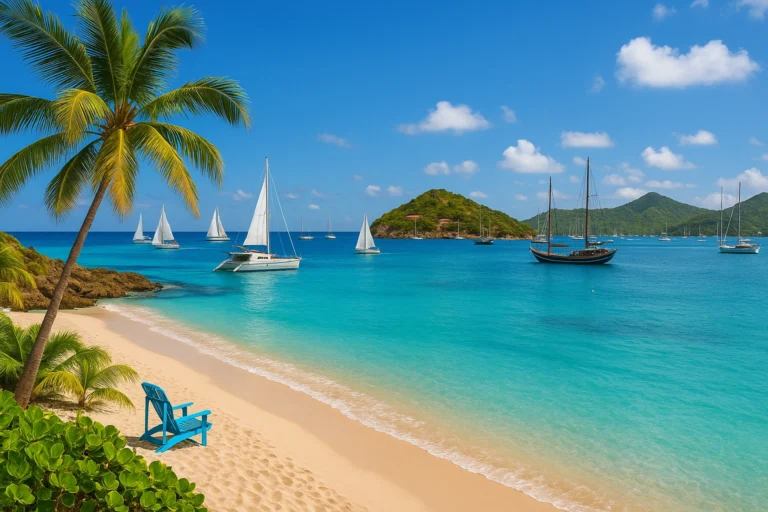 Antigua and Barbuda
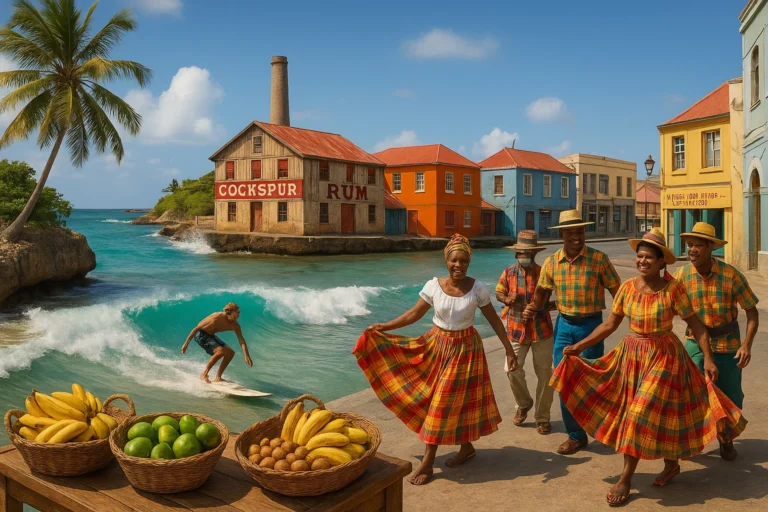 Barbados
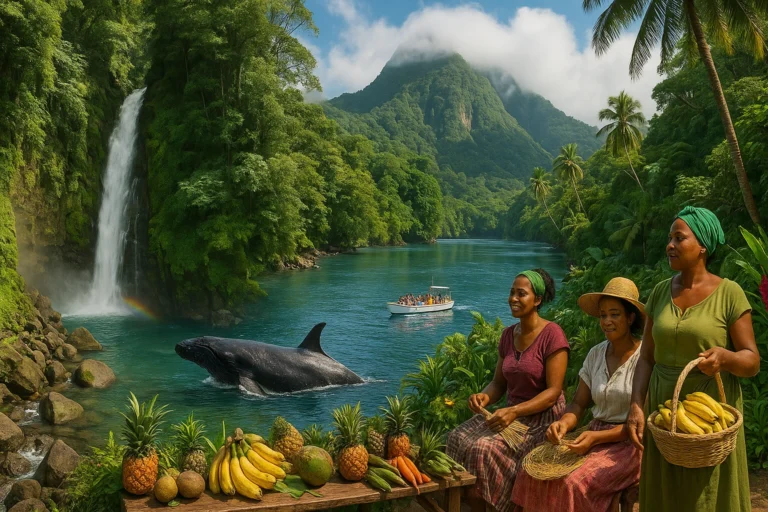 Dominica