
Estonia
Estonia: A Land of Digital Innovation and Tradition
Estonia is a Northern European country located on the eastern coast of the Baltic Sea, bordered by Latvia to the south and Russia to the east. Covering about 45,000 square kilometers, Estonia is known for its forests, lakes, and over 2,000 islands. Tallinn, the capital, combines medieval charm with modern innovation and serves as the political, economic, and cultural center of the nation. Estonia is recognized for its rapid technological development and digital governance, earning it a reputation as one of the most advanced digital societies in the world.
Ancient Legacy and Historical Significance
The region of Estonia has been inhabited since the end of the last Ice Age, with early Finno-Ugric tribes establishing settlements around 9000 BCE. During the medieval period, the area came under Danish, German, Swedish, and Russian influence at different times, shaping Estonia’s diverse cultural and architectural heritage. The Teutonic Knights and later the Livonian Order ruled much of the territory, introducing Christianity and European feudal structures.
In the eighteenth century, Estonia became part of the Russian Empire, which lasted until the early twentieth century. Following World War I, Estonia declared independence in 1918 and established a democratic republic. The country endured Soviet and German occupations during World War II and was incorporated into the USSR until regaining independence in 1991. Since then, Estonia has pursued integration with Europe, joining the European Union and NATO in 2004.
Cultural Traditions and Cuisine
Estonian culture reflects a blend of native Finno-Ugric traditions and foreign influences. Folk music and choral singing are central to national identity, with the Song and Dance Festival held every five years being a highlight of cultural life. Traditional dances, embroidery, and woodcraft continue to be celebrated, especially in rural regions. Clothing often includes woolen garments and linen outfits adorned with regional patterns, typically worn during festivals and national holidays.
Estonian cuisine emphasizes local, seasonal ingredients. Rye bread, potatoes, dairy products, and fish form the basis of many meals. Traditional dishes include verivorst, a blood sausage served during Christmas, and kama, a mixture of roasted grains eaten with milk or yogurt. Stews, smoked fish, and wild berries are common, reflecting the country’s close connection to its forests and lakes. Black bread, sauerkraut, and hearty soups also remain staples of everyday life.
Estonia is a country where history, tradition, and modern innovation coexist, offering a rich cultural experience alongside its reputation as a digitally advanced society.
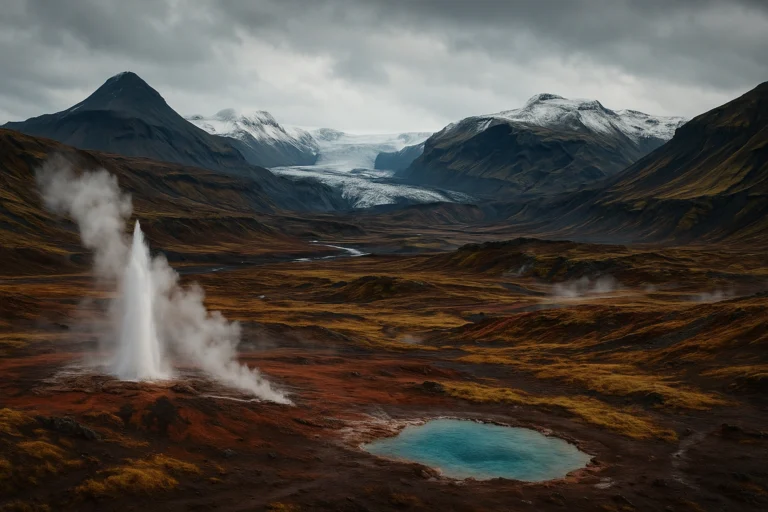 Iceland
 Ireland
 Norway
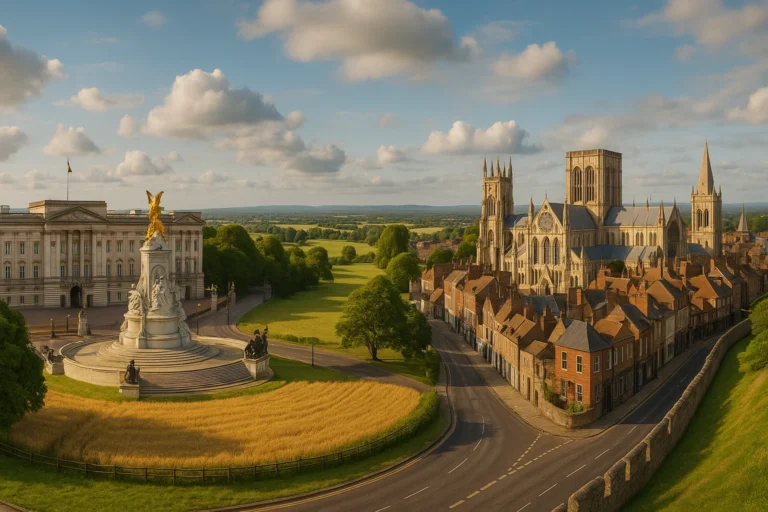 United Kingdom
 Denmark
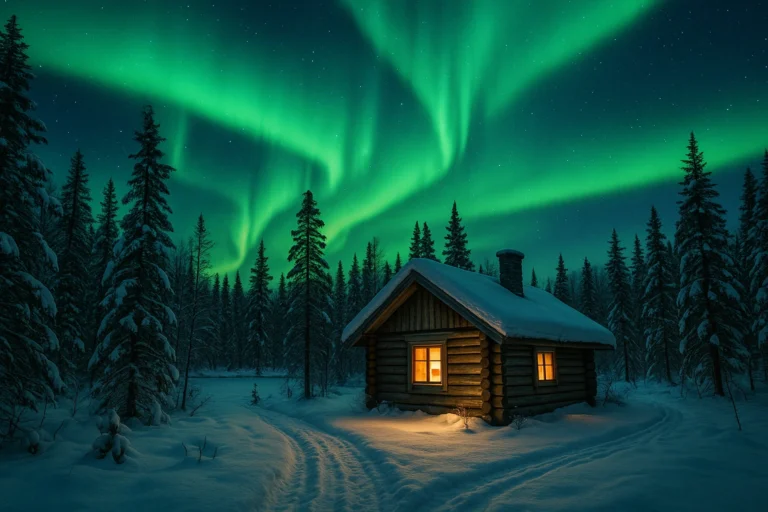 Finland