
Denmark
Denmark: A Land of History and Timeless Tradition
Denmark is a Nordic country located in Northern Europe, consisting of the Jutland Peninsula and more than 400 islands, of which around 70 are inhabited. It shares a southern border with Germany and is surrounded by the North Sea and the Baltic Sea. Covering about 43,000 square kilometers, Denmark is known for its flat landscapes, sandy coastlines, and vibrant cities. Copenhagen, the capital, is a cultural and political hub famous for its architecture, design, and high quality of life. Denmark’s history, maritime heritage, and modern influence make it a vital part of Europe.
Ancient Legacy and Historical Significance
The history of Denmark stretches back to the Stone Age, with early settlements thriving along its coasts. By the Viking Age, beginning in the late eighth century, Denmark became a powerful maritime force. Danish Vikings explored, traded, and settled across Europe, leaving a lasting legacy in places such as England, Ireland, and France. The Viking period established Denmark as a significant kingdom in Northern Europe.
In the Middle Ages, Denmark grew into a strong monarchy and played a central role in the Kalmar Union, which united Denmark, Norway, and Sweden under a single crown in the late fourteenth century. The union eventually dissolved, but Denmark retained Norway until the early nineteenth century.
The seventeenth and eighteenth centuries saw Denmark engaged in regional conflicts but also developing as a cultural and economic power. In the nineteenth century, the country adopted a constitutional monarchy and gradually modernized. During World War II, Denmark was occupied by Germany but maintained its monarchy and later regained full independence. Today, Denmark is known for its democratic values, strong economy, and role as a founding member of NATO and the European Union’s predecessor organizations.
Cultural Traditions and Cuisine
Danish culture combines ancient traditions with modern Scandinavian influences. Folk music and dance are still performed at festivals, while national holidays such as Constitution Day and Midsummer’s Eve bring communities together. The concept of hygge, meaning a cozy and warm atmosphere, reflects the Danish way of life. Traditional clothing is rarely worn daily but features embroidered dresses and jackets during folk celebrations.
Denmark has a strong culinary heritage, with rye bread, pickled herring, and smoked fish playing central roles. Smørrebrød, an open faced sandwich topped with meats, cheeses, or seafood, is a signature dish. Danish pastries, known worldwide, are enjoyed alongside coffee. Pork dishes, meatballs, and hearty stews are common, while modern Danish cuisine has also gained international fame through innovative chefs.
Denmark remains a country where history, tradition, and modern living blend seamlessly, offering a unique cultural identity within Northern Europe.
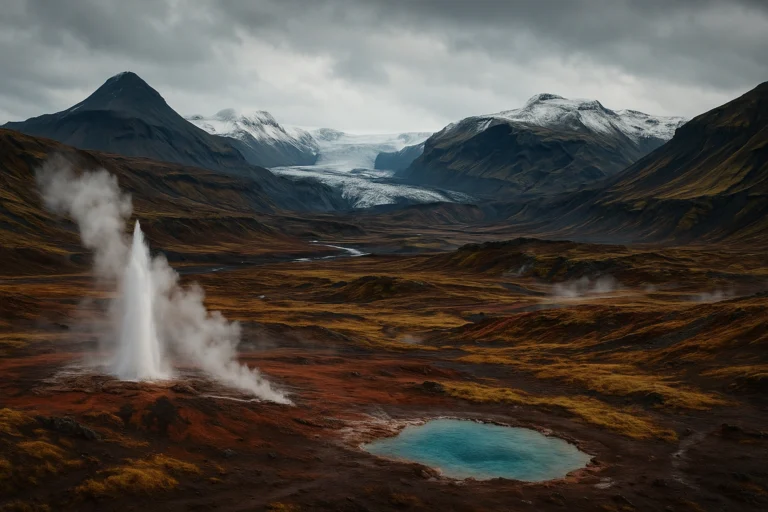 Iceland
 Ireland
 Norway
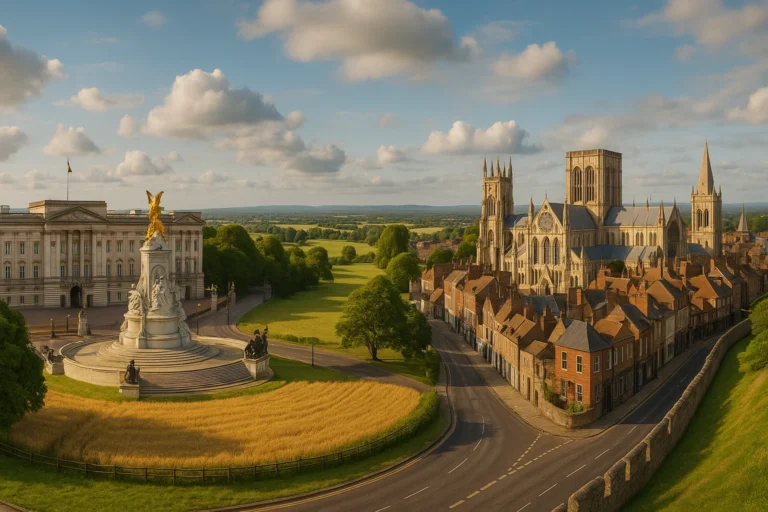 United Kingdom
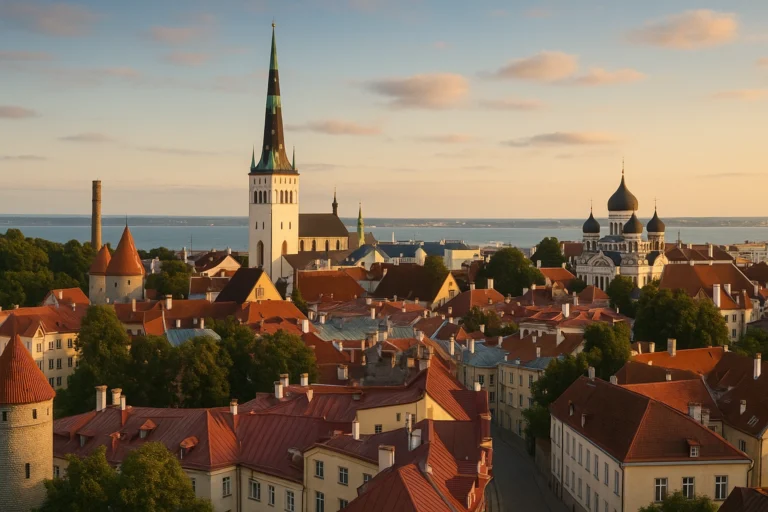 Estonia
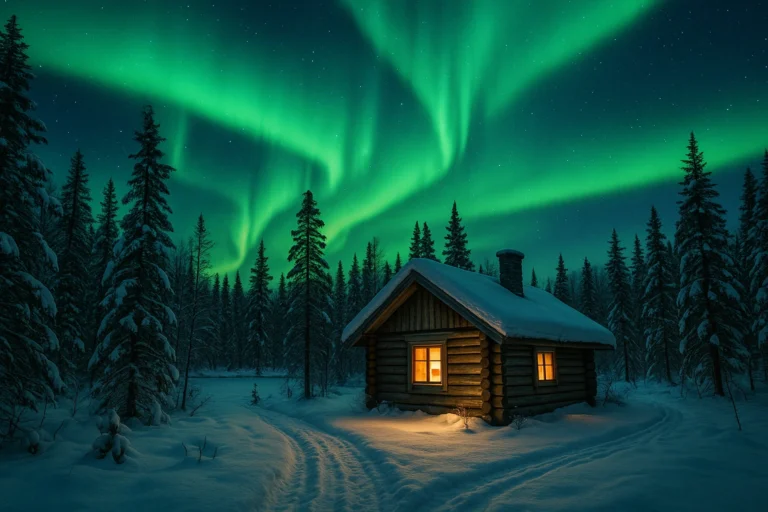 Finland