Cameroon is often called “Africa in miniature” and for good reason. This remarkable Central African country packs beaches, rainforests, mountains, savannas, wildlife and over 250 ethnic groups into a single destination. If you are looking for the best places to visit in Cameroon, you will find a country that offers more variety than most travellers expect.
From the black sand beaches of Limbe to the active volcano of Mount Cameroon and the elephant-filled plains of Waza National Park, Cameroon delivers experiences that are authentic, diverse and deeply rewarding. This 2026 guide covers the top destinations and everything you need to plan your trip.
Table of Contents
Why Visit Cameroon?
1. Diverse Geography
Cameroon is geographically unlike any other country in Africa. Within its borders, you will find Atlantic coastline with beaches and waterfalls, dense equatorial rainforest, open savanna and semi-desert in the north, highland plateaus covered in terraced farms and the highest peak in West and Central Africa. No other country on the continent offers this level of landscape variety in a single trip.
2. Rich Cultural Traditions
Cameroon is home to over 250 ethnic groups, each with its own languages, traditions, ceremonies and artistic practices. The country has two official languages, French and English, reflecting its colonial history as both a French and British territory. Traditional kingdoms in the highlands, fishing communities on the coast and nomadic Fulani herders in the north all coexist in a cultural tapestry that is genuinely fascinating to explore.
3. Less Crowded Than Mainstream African Destinations
Despite its extraordinary variety, Cameroon attracts relatively few international tourists. That means sites are uncrowded, experiences are authentic and locals are genuinely welcoming to visitors. Travelers who have been to more popular destinations in East or southern Africa consistently describe Cameroon as a refreshing and memorable alternative.
8 Best Places to Visit in Cameroon
1. Yaoundé – Cultural and Political Capital
Yaoundé is Cameroon’s capital city, set on a series of green hills in the centre of the country. It is a more relaxed and manageable city than Douala, with a pleasant atmosphere and a good selection of cultural attractions. The National Museum of Yaoundé is housed in the former presidential palace and holds a strong collection of traditional art, masks and ceremonial objects from across the country.
The Mvog-Betsi Zoo and Botanical Garden is worth a visit for families and nature lovers. The city’s many hilltop viewpoints offer panoramic views over the surrounding green landscape. Yaoundé has good restaurants, craft markets and a lively cultural scene that makes it a comfortable first stop for visitors arriving in Cameroon.
Key highlights of Yaoundé:
- National Museum for traditional art and cultural history
- Hilltop viewpoints over the city and the surrounding hills
- Craft markets for masks, textiles and traditional objects
- Mvog-Betsi Zoo and Botanical Garden
- Relaxed city atmosphere ideal for an introductory two-day stay
2. Douala – Economic Hub
Douala is Cameroon’s largest city and its economic and commercial capital. It is the main entry point for most international travellers arriving by air and sits on the Wouri Estuary near the Atlantic coast. The city is busy and energetic with a vibrant arts scene, excellent restaurants and a nightlife culture that is considered among the best in Central Africa.
The Doual’art contemporary art centre is one of the most respected art spaces in Africa and showcases work by Cameroonian and international artists. The Marché des Fleurs is a colourful and lively local market worth exploring. The waterfront area along the estuary is pleasant for an evening walk and offers views over the busy port.
Key highlights of Douala:
- Doual’art centre for contemporary African art
- Marché des Fleurs for local shopping and food
- Wouri Estuary waterfront for evening walks
- Gateway city with the best international flight connections
- Strong restaurant and nightlife scene in the Bonanjo district
3. Mount Cameroon – Adventure and Hiking
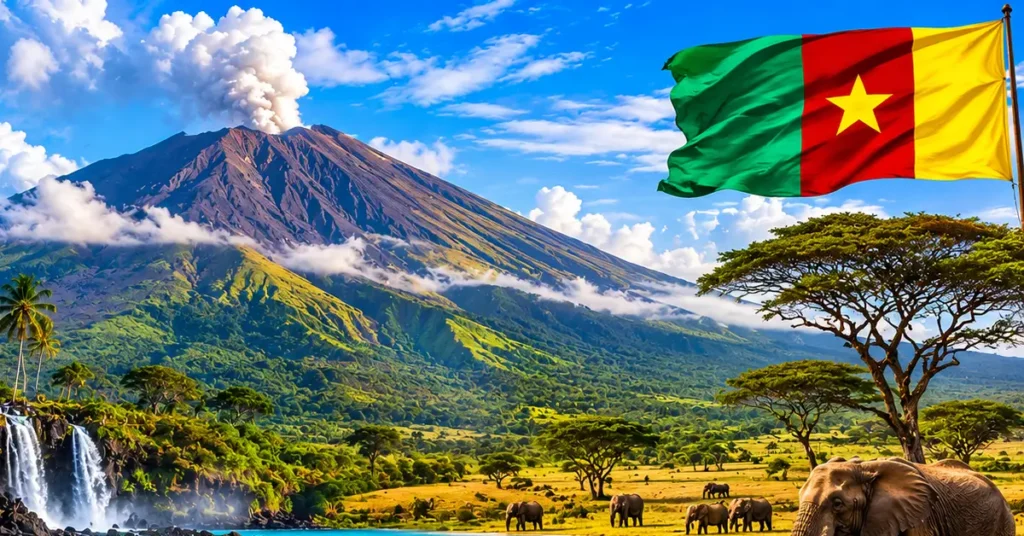
Mount Cameroon is the highest peak in West and Central Africa, rising 4,040 meters above sea level. It is also one of the most active volcanoes in Africa, with several eruptions recorded in recent decades. The mountain dominates the landscape around Buea and Limbe and offers one of the most exciting trekking experiences on the continent.
The main ascent takes two to three days depending on the route and fitness level. Guided treks depart from Buea and take you through montane forest, open moorland and finally to the volcanic summit with views stretching to the Atlantic Ocean on clear days. The Mount Cameroon Race of Hope is an annual event held in February where runners race to the summit and back, and is one of the most celebrated sporting events in Cameroon.
Key highlights of Mount Cameroon:
- Summit trek, the highest peak in West and Central Africa
- Multiple trekking routes for different fitness levels
- Diverse ecosystems from rainforest to volcanic moorland
- Views of the Atlantic Ocean from the summit on clear days
- Mount Cameroon Race of Hope is held every February in Buea
4. Kribi – Beaches and Waterfalls
Kribi is Cameroon’s most popular beach destination, located on the Atlantic coast in the south of the country. The beaches here are wide, lined with palm trees and backed by green forest, with warm water that is ideal for swimming. The town has a laid-back, resort atmosphere that is very different from the busy cities of Douala and Yaoundé.
The most extraordinary attraction near Kribi is the Lobé Falls, where the Lobé River drops directly into the Atlantic Ocean. It is one of the only places in the world where a waterfall meets the sea, and the sight of white water cascading into the ocean surrounded by palm trees and jungle is genuinely spectacular. Boat trips on the river also allow you to visit Baka pygmy communities that live in the surrounding forest.
Key highlights of Kribi:
- Palm-lined Atlantic beaches perfect for swimming and relaxing
- Lobé Falls, a waterfall that drops directly into the sea
- Boat trips on the Lobé River to visit Baka communities
- Fresh seafood restaurants along the beachfront
- Good base for exploring the southern coastal region
5. Limbe – Coastal Relaxation
Limbe is a charming coastal town at the foot of Mount Cameroon with a unique character shaped by its British colonial history and dramatic natural setting. The town’s most distinctive feature is its black sand beaches, which are formed from volcanic material washed down from the mountain. The beaches at Limbe are unlike any other in Cameroon and have a moody, beautiful atmosphere.
The Limbe Wildlife Centre is an important sanctuary for rescued great apes, including chimpanzees, gorillas and drills, which are an endangered primate found only in Cameroon and nearby regions. The Limbe Botanic Garden is one of the oldest and most important in Africa and contains an extraordinary collection of tropical plants.
Key highlights of Limbe:
- Black sand beaches with dramatic volcanic scenery
- Limbe Wildlife Centre for chimpanzees, gorillas and drills
- Limbe Botanic Garden, one of the oldest in Africa
- Stunning views of Mount Cameroon from the town
- Relaxed colonial town atmosphere with good guesthouses
6. Waza National Park – Wildlife Safari
Waza National Park in the far north of Cameroon is the country’s most important wildlife destination. The park covers over 1,700 square kilometres of savanna, floodplains and acacia woodland and is home to one of the last viable populations of elephants in Central Africa. Lions, giraffes, cheetahs, hippos, warthogs, baboons and a remarkable variety of bird species also call the park home.
The best time to visit Waza is during the dry season from November to May, when animals concentrate around the remaining water sources, and vegetation is low, making wildlife easier to spot. The park is remote, and the journey north is long, but the wildlife experience here is genuinely impressive and far less crowded than East African alternatives.
Key highlights of Waza National Park:
- Elephant herds, one of the largest populations in Central Africa
- Lion and giraffe sightings on the open savanna
- Exceptional birdwatching with over 370 species recorded
- Best visited from November to May during the dry season
- Authentic, uncrowded safari experience in a remote setting
7. Dja Faunal Reserve – Rainforest Biodiversity
The Dja Faunal Reserve in southern Cameroon is a UNESCO World Heritage Site and one of the largest and protected rainforests in Africa. The reserve covers over 5,260 square kilometers and is almost entirely surrounded by the Dja River, which forms a natural boundary. It is home to western lowland gorillas, forest elephants, chimpanzees, leopards, bongos and an extraordinary diversity of plant and animal life.
The Dja Reserve is a genuinely remote and wild destination that requires planning and a good local guide. The forest is dense, the animals are shy and encounters require patience, but the experience of walking through one of Africa’s last intact tropical rainforests is unlike anything else.
Key highlights of Dja Faunal Reserve:
- Western lowland gorilla and chimpanzee sightings
- One of Africa’s largest and best-preserved rainforests
- UNESCO World Heritage Site status
- Forest elephant and leopard presence
- Immersive rainforest experience with local Baka guides
8. Bamenda – Highlands and Culture
Bamenda is the main city of Cameroon’s Northwest Region and sits in the highlands at an altitude of about 1,600 meters. The cooler climate, green rolling hills and scenic landscapes make it a refreshing escape from the heat of the coast and north. The surrounding area is dotted with traditional Grassfields kingdoms that maintain their own chiefs, palaces and cultural ceremonies.
The Bamenda craft market is one of the best in the country for traditional textiles, carved wooden objects and bronze work. Hiking in the hills around the city offers excellent views and access to traditional villages where local culture remains very much intact.
Key highlights of Bamenda:
- Scenic highland landscape with cool climate
- Traditional Grassfields kingdoms and royal palaces
- Bamenda craft market for textiles and traditional art
- Hiking trails through green hills and traditional villages
- Good base for exploring the cultural heartland of Anglophone Cameroon
Hidden Gems in Cameroon
1. Rhumsiki – Unique Rock Landscapes
Rhumsiki is a remote village in the far north of Cameroon near the Nigerian border, set against a backdrop of dramatic volcanic rock peaks that rise from the surrounding plains. The landscape is genuinely extraordinary and unlike anything else in the country. The village is home to the Kapsiki people and local crab sorcerers who practice a form of divination using freshwater crabs, a tradition that is fascinating to witness.
2. Korup National Park – Ancient Rainforest
Korup National Park in the southwest of Cameroon is considered one of the oldest and most biodiverse rainforests in Africa, with some areas estimated to be over 60 million years old. The park is home to over 400 tree species, more than 150 mammal species and an extraordinary range of birds and insects. It is extremely remote and rarely visited, making it a true off-the-beaten-path destination.
Best Time to Visit Cameroon
1. Dry Season: November to February (Best Travel Conditions)
The dry season is the best overall time to visit Cameroon. Roads are accessible, wildlife viewing at Waza is at its peak and beach destinations like Kribi and Limbe are at their most enjoyable. This is also the most comfortable time for trekking on Mount Cameroon.
2. Rainy Season: March to October
The rainy season brings lush green landscapes and dramatic waterfalls, and is the best time for birdwatching. However, some roads in rural and northern areas become very difficult. The rainforest destinations of Dja and Korup are accessible year-round but can be harder to navigate in heavy rain.
3. Regional Climate Differences
- North (Waza): best November to May, extremely hot and dry in summer
- Coast (Kribi, Limbe, Douala): warm year-round, heavy rain from May to October
- Highlands (Bamenda): cool and pleasant most of the year
- South (Yaoundé, Dja): two rainy seasons with relatively consistent temperatures
Travel Tips for Visiting Cameroon
1. Visa Requirements
Most nationalities need a visa to enter Cameroon. Cameroon does not currently offer a widely available eVisa system, so most travellers must apply through a Cameroonian embassy or consulate before departure. You will need a valid passport with at least six months remaining, a return flight booking, passport photos and proof of accommodation. Processing times vary, so apply at least three to four weeks before your trip. Yellow fever vaccination is mandatory for entry, and you must carry your vaccination certificate.
2. Is Cameroon Safe for Tourists?
Cameroon has areas of significant security concern alongside areas that are generally safe for visitors. The main tourist destinations, including Yaoundé, Douala, Kribi, Limbe and Waza National Park, are generally accessible with appropriate precautions. However, the Northwest and Southwest regions have been affected by an ongoing anglophone crisis and travel there is not recommended. The Far North region near the Nigerian and Chad borders also has security concerns.
Safety tips:
- Check your government’s official travel advisory before booking and before departure
- Avoid the Northwest, Southwest and Far North border areas
- Register with your country’s embassy on arrival
- Use reputable local guides, especially in remote areas
- Avoid travel after dark outside of main cities
3. Getting Around Cameroon
- Domestic flights connect Yaoundé, Douala, Garoua and Maroua for long distances
- Air-conditioned buses connect major cities and are more comfortable than shared taxis
- Shared bush taxis are available for shorter routes and are cheap but slow
- Hiring a private driver is the best option for multi-day trips to remote areas
- A 4×4 vehicle is strongly recommended for northern and rural destinations
4. Currency and Costs
The official currency is the Central African CFA franc (XAF), which is pegged to the euro and shared with five other Central African countries. ATMs are available in Yaoundé and Douala, but are less reliable in smaller towns. Carry sufficient cash when travelling outside the main cities.
- Budget travellers: $50 to $80 USD per day
- Mid-range travellers: $90 to $150 USD per day
- Guesthouse accommodation: $20 to $60 USD per night
- Local restaurant meals: $3 to $10 USD
- Cash is essential in most places outside major hotels
Suggested 7 to 10 Day Cameroon Itinerary
Sample Day-by-Day Breakdown
| Day | Destination | Main Activities |
| Day 1 to 2 | Yaoundé | National Museum, craft markets, hilltop viewpoints, local food |
| Day 3 to 4 | Douala and Kribi | Doual’art gallery, Marché des Fleurs, drive to Kribi, Lobé Falls, beach |
| Day 5 to 6 | Limbe and Mount Cameroon | Black sand beaches, Wildlife Centre, Botanic Garden, Mount Cameroon base |
| Day 7 to 9 | Waza National Park | Overnight drive or flight north, game drives, elephant and lion sightings |
| Day 10 | Return to Yaoundé or Douala | Departure flight home |
Itinerary Tips:
- Fly between Douala and Garoua or Maroua in the north to save two days of driving
- Book Mount Cameroon guides through the Buea Mountain Club well in advance
- Allow two full days at Waza for the best wildlife viewing opportunities
- Combine Kribi and Limbe, as both are on the southern Atlantic coast
What is Cameroon Famous For?
1. Africa in Miniature
Cameroon is famous for packing the full diversity of the African continent into a single country. Beaches, rainforests, mountains, savanna and semi-desert all exist within its borders. Travellers who visit Cameroon often say it feels like experiencing multiple African destinations in a single trip.
2. Mount Cameroon
Mount Cameroon is the highest peak in West and Central Africa and one of the continent’s most active volcanoes. It is the most famous landmark in the country and the centrepiece of one of the best trekking experiences in Africa.
3. Wildlife and Culture
Cameroon is home to extraordinary wildlife, including forest elephants, western lowland gorillas, chimpanzees and the last savanna elephants in Central Africa. It is also one of the most culturally diverse countries on the continent with over 250 ethnic groups and a rich tradition of music, art and ceremony.
FAQs About Visiting Cameroon
-
Is Cameroon Worth Visiting?
Yes, for travellers who want authentic, diverse and genuinely off-the-beaten-path experiences. Cameroon offers everything from beach relaxation to volcanic trekking, rainforest wildlife to savanna safari, all within a single country. For adventurous travellers, it is one of the most rewarding destinations in Africa.
-
Is Cameroon Safe for Tourists?
Parts of Cameroon are safe and welcoming for tourists, while other areas have significant security concerns. Main tourist destinations like Yaoundé, Douala, Kribi, Limbe and Waza are generally safe with appropriate precautions. Avoid the Northwest, Southwest and Far North border regions. Always check your government’s official travel advisory before booking.
-
What Language is Spoken in Cameroon?
Cameroon has two official languages: French and English. French is spoken by about 80 per cent of the population and dominates in the south, centre, and north. English is spoken in the Northwest and Southwest regions. Over 250 local languages are also spoken across the country. Fulfulde is widely used as a trade language in the north.
-
Is Cameroon Expensive to Travel?
Cameroon is moderately affordable for independent travellers. Budget travellers can manage on $50 to $80 USD per day. Mid-range travellers will spend $90 to $150 USD per day with comfortable accommodation and guided activities. The main additional costs are domestic flights for reaching the north and guided safaris or treks.
Map of the Cameroon
Final Thoughts on Visiting Cameroon
Cameroon is one of the most genuinely diverse destinations in Africa. The beaches, the volcano, the rainforests and the wildlife are all extraordinary on their own. Together, they make up a country that consistently surprises travellers who arrive expecting something ordinary. Go with curiosity, plan carefully, given the regional safety considerations, and you will leave with some of the most memorable experiences of your travel life.