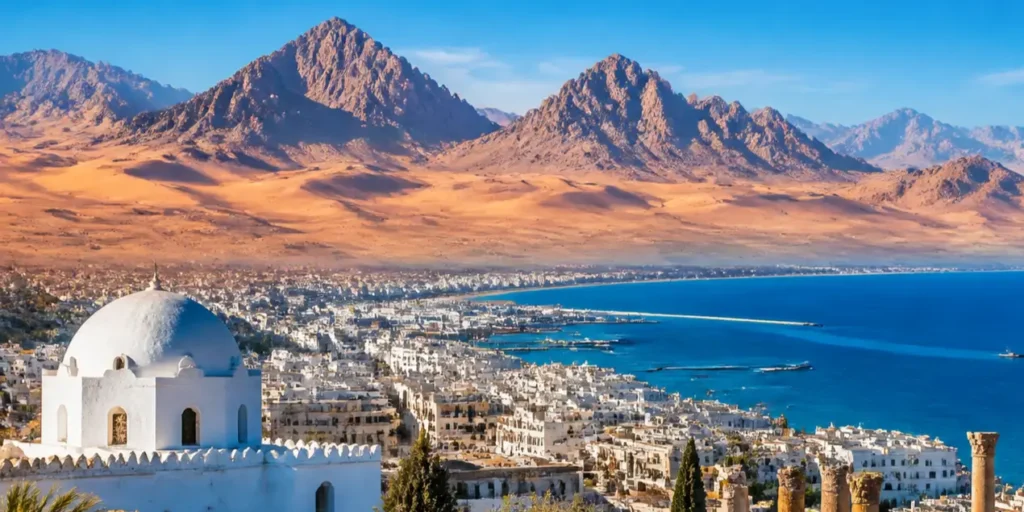
Algeria is one of the most fascinating and underrated destinations in North Africa. It is a country where Mediterranean beaches meet ancient Roman ruins, and where the world’s largest desert stretches across endless horizons.
From the whitewashed streets of Algiers to the dramatic peaks of the Hoggar Mountains, Algeria offers a mix of history, culture and natural beauty that feels both exciting and authentic. Travellers who love fewer crowds, untouched landscapes and UNESCO sites will find Algeria especially rewarding.
You can wander through Roman cities that feel frozen in time, explore centuries-old medinas, cross Saharan dunes and enjoy coastal towns with turquoise water and sea cliffs. Algeria is also one of the safest and most affordable destinations in the region, which makes it perfect for culture lovers, history seekers and adventure travellers.
In this guide, you will discover the top places to visit in Algeria, including ancient landmarks, mountain parks, hidden villages and breathtaking natural wonders. Whether you want to explore the Sahara or relax by the Mediterranean Sea, this 2026 guide will help you plan your perfect trip.
Table of Contents
Why Visit Algeria?
Algeria is a destination that combines beauty, heritage and untouched landscapes in a way few countries can match. It offers travellers a rare opportunity to explore North Africa without the heavy tourist crowds found in nearby countries.
The country is known for its long Mediterranean coastline, impressive Roman ruins and the vast Sahara Desert, which covers more than four-fifths of the land. One of the biggest reasons to visit Algeria is its cultural depth. Algeria has Berber, Arab, Ottoman and French influences, which are reflected in its architecture, food and local traditions.
Cities like Algiers, Oran and Constantine are full of historic neighbourhoods, museums and scenic viewpoints. Inland regions offer opportunities to explore oases, palm groves and traditional Saharan communities where hospitality is a way of life.
Nature lovers will also find Algeria unique. The country has mountains, forests, canyons, sea cliffs, sand dunes and volcanic plateaus. Parks like Tassili n’Ajjer and Djurdjura are filled with hiking trails, wildlife, and dramatic scenery.
Compared to other North African destinations, Algeria feels more preserved and authentic, which is why it is gaining attention among adventure travellers and history enthusiasts.
For those seeking a destination that blends culture, nature and ancient history, Algeria offers some of the best places to visit in Africa. With safety improving and tourism infrastructure growing, 2026 is an excellent time to explore this remarkable country.
Top 20 Places to Visit in Algeria
This list covers the most historic, scenic and culturally rich destinations in the country. Each place highlights what to see, why it is special and who it is ideal for.
1. Algiers (The White City)
Algiers is Algeria’s capital and one of the most beautiful coastal cities in North Africa. Its white buildings stretch across the hillside, facing the Mediterranean Sea. The Casbah of Algiers is the main highlight with narrow alleys, Ottoman palaces and traditional homes.
Visitors also enjoy the Notre Dame d’Afrique, which offers some of the best views of the city. The Martyrs Memorial is another landmark that celebrates Algeria’s history. Algiers is perfect for culture lovers, architecture fans and first-time visitors.
2. Oran
Oran is a lively port city known for music, beaches and a mix of Andalusian and French influences. The top attraction is Fort Santa Cruz, which sits high above the city and provides panoramic sea views.
Travellers also enjoy Oran’s Corniche, a scenic waterfront lined with cafés and coastal views. Oran is great for food lovers, beach travellers, and those who enjoy vibrant city culture.
3. Constantine
Constantine is one of the most dramatic cities in the world, thanks to its location on top of deep gorges. Known as the City of Bridges, Constantine has impressive hanging bridges that connect the cliffs and neighbourhoods.
Visitors also explore the old town, the Ahmed Bey Palace and the Grand Mosque. Constantine is ideal for photographers, culture travellers, and history enthusiasts.
4. Ghardaïa (M’zab Valley)
Ghardaïa is part of the M’zab Valley, which is a UNESCO World Heritage Site known for its unique architecture and traditional Ibadi culture. The old town is built on a hill with narrow streets, market squares and distinctive homes.
Travellers come to see the mosque, the craft markets, and the traditional mud-brick structures. Ghardaïa is perfect for cultural travellers and anyone who enjoys ancient architecture.
5. Timgad
Timgad is an ancient Roman city that feels like an open-air museum. The site has well-preserved arches, theatres, streets and public buildings. It is one of the best examples of Roman town planning in Africa.
Visitors walk through the ruins, explore the museum and imagine what life was like two thousand years ago. Timgad is ideal for history lovers and those who enjoy archaeological sites.
6. Djemila
Djemila is another impressive Roman city with beautifully kept ruins. It has temples, columns, houses and detailed mosaics that remain in excellent condition. Its mountain setting adds to the charm, making it one of the most scenic archaeological sites in Algeria. Djemila suits travellers who love history, landscapes and photography.
7. Tipaza
Tipaza is a coastal treasure where Roman ruins sit beside clear blue water. Travellers can explore the ancient theatre, basilicas and tombs, then relax on nearby beaches. The mix of history and coastline makes Tipaza one of the best places to visit in Algeria for both culture and leisure. It is ideal for beach lovers, history fans and families.
8. Hoggar Mountains (Assekrem)
The Hoggar Mountains in southern Algeria offer one of the most dramatic landscapes in the Sahara. Travellers visit Assekrem, a high plateau famous for breathtaking sunrise and sunset views. The region is home to volcanic rock formations, desert peaks and Tuareg culture. The Hoggar region is perfect for adventure travellers, hikers and nature lovers.
9. Tassili n Ajjer National Park
Tassili n’Ajjer is a UNESCO World Heritage Site known for some of the world’s oldest rock art. The park has thousands of ancient carvings and paintings that show early human life and animals that once roamed the Sahara.
The landscape is filled with sandstone formations, canyons and desert plateaus. This destination is ideal for hikers, archaeologists and travellers who enjoy remote natural wonders.
10. Sahara Desert in Djanet
Djanet is one of the best gateways to the Sahara Desert. Travellers stay in desert camps, ride camels across dunes and explore rock formations shaped by wind over centuries. Night skies are incredibly clear which makes stargazing unforgettable. Djanet is perfect for adventure travellers, photographers and visitors seeking authentic desert experiences.
11. Timimoun
Timimoun is a beautiful oasis town known for its red buildings, palm groves and desert scenery. The old ksar architecture gives the town a timeless appearance. The surrounding red dunes are perfect for sunset views and desert trekking. Timimoun is ideal for culture seekers and travellers who love desert landscapes.
12. Béjaïa
Béjaïa sits along a stunning stretch of the Mediterranean coastline. Its top attraction is Cap Carbon, which features some of the region’s highest sea cliffs. The water is bright turquoise, and the beaches are excellent for swimming. Béjaïa combines nature, coastlines and cultural sites, which makes it great for beach travellers and outdoor lovers.
13. Annaba
Annaba is one of Algeria’s prettiest coastal cities. Visitors can enjoy sandy beaches, palm-lined streets and fresh seafood. The Basilica of St Augustine is the most famous landmark and stands on a hill overlooking the city. Annaba is perfect for beach lovers, relaxed travellers, and those interested in Algerian Christian history.
14. Tlemcen
Tlemcen is known for its mix of Islamic architecture, palaces and natural beauty. The city has ancient mosques, the Mechouar Palace and lush parks. Travellers also visit the nearby Tlemcen National Park for waterfalls and hiking trails. Tlemcen is ideal for culture lovers and travellers who like a blend of history and nature.
15. Biskra
Biskra is a warm oasis city at the edge of the desert. It is known for hot springs, palm groves and beautiful date farms. Visitors often stop in Biskra before exploring nearby mountain towns or desert regions. It is perfect for relaxation and nature lovers.
16. Djurdjura National Park
Djurdjura National Park is located in the Kabylie Mountains and offers forests, lakes, caves and hiking trails. Visitors enjoy cool air, wildlife and mountain scenery. It is one of the best natural escapes in Algeria and ideal for hikers, families and outdoor travellers.
17. Béchar and Taghit
Béchar and Taghit are known for golden sand dunes and postcard-perfect desert scenes. Travellers explore ksar villages, camel routes and scenic viewpoints. Taghit is especially popular for its massive dunes and traditional mud brick homes. These destinations are ideal for photographers and desert lovers.
18. In Salah
In Salah is known for its red sand dunes and unique desert formations. The region feels remote and peaceful, offering visitors a true Sahara experience. It is perfect for adventure travellers and those who enjoy unusual landscapes.
19. Jijel
Jijel is one of the greenest and most beautiful coastal regions in Algeria. Travellers explore sea caves, beaches and forested hillsides. The coastline is rugged and dramatic, making it great for outdoor photography and nature lovers.
20. El Oued (The City of a Thousand Domes)
El Oued is famous for its distinctive domed architecture and desert culture. The town has traditional markets, date palm oases and beautiful desert surroundings. Its unique building style makes it one of the most visually memorable cities in the Sahara. El Oued is perfect for cultural travellers and architecture enthusiasts.
Best Natural Wonders in Algeria
Algeria is one of the most geographically diverse countries in North Africa. It offers everything from towering mountain peaks to deep canyons, lush coastlines and stretches of untouched desert.
These natural wonders make Algeria an excellent destination for adventure travellers, hikers and nature lovers who want to explore landscapes that are raw, dramatic and incredibly photogenic.
1. Tassili n Ajjer National Park
Tassili n Ajjer is not only one of the most important archaeological sites in Africa, it is also one of the most visually striking. The park has surreal sandstone formations that look like sculptures carved by wind and time. Canyons, natural arches, and wide-open desert plains make it ideal for trekking. Its prehistoric rock art adds depth to the natural scenery.
2. Hoggar Mountains and Assekrem Plateau
The Hoggar Mountains offer some of the most dramatic high-altitude landscapes in the Sahara. Travellers visit Assekrem for its sunrise and sunset views that light up the volcanic peaks. The region feels remote and peaceful, which makes it perfect for hikers and photographers who enjoy quiet, untouched nature.
3. Great Sahara Desert
The Sahara is one of the best places to visit in Algeria and is a reason many travelers come to the country. The desert offers endless dunes, camel routes and night skies filled with stars. Regions like Djanet, Timimoun and Taghit provide different experiences, from towering red dunes to golden sand fields.
4. Djurdjura National Park
Located in the Kabylie Mountains, Djurdjura is filled with thick forests, rugged cliffs, lakes and cool hiking trails. The park is ideal for nature lovers who want an escape from hot coastal cities and desert regions. Wildlife, caves and mountain viewpoints make it one of the most beautiful green spaces in the country.
5. Cap Carbon in Béjaïa
Cap Carbon has some of the highest sea cliffs in the Mediterranean. The combination of turquoise water, forested hills and dramatic rock walls makes this one of the top scenic viewpoints in Algeria. It is the perfect stop for outdoor enthusiasts, road trippers and photographers.
6. Gouraya National Park
Gouraya National Park combines mountain landscapes with coastal beauty. It is home to beaches, cliffs, hiking trails and wildlife such as the Barbary macaque. Travelers often visit for scenic drives and quiet viewpoints overlooking the Mediterranean Sea.
These natural wonders show just how varied and beautiful Algeria is. Whether you want desert peaks, green mountains or coastal cliffs, Algeria offers landscapes that feel untouched and unforgettable.
Best Time to Visit Algeria
Algeria has a mix of Mediterranean, mountain, and desert climates, so the best time to visit depends on the region you plan to explore. Overall, the most comfortable months for most travellers are between October and April when temperatures are mild, and sightseeing is easier.
Coastal Cities (Algiers, Oran, Annaba, Béjaïa)
The Mediterranean coast has warm summers and mild winters. Spring and fall are the best seasons because temperatures are pleasant and beaches are less crowded.
Best months: March to June and September to November.
Desert Regions (Djanet, Timimoun, Taghit, Hoggar Mountains)
The Sahara can be extremely hot in summer. Winter and early spring offer ideal desert trekking conditions with cool nights and warm days.
Best months: October to April.
Mountain Areas (Djurdjura, Tlemcen National Park, M’zab Valley)
Mountain climates are cooler and can get chilly in winter. Summer is great for hiking and nature trips.
Best months: May to September.
Roman Ruins and Interior Cities (Timgad, Djemila, Constantine, Ghardaïa)
These regions experience hot summers, so spring and fall are the best times to visit.
Best months: March to May and September to November.
If you want to explore multiple regions in one trip, aim for April, May, October or November, which offer the most balanced weather across the country.
Algeria is beautiful year-round, but choosing the right season will help you enjoy the best places to visit in Algeria without extreme temperatures or travel limitations.
Practical Travel Tips for Visiting Algeria
Travelling in Algeria is rewarding, but it helps to know a few essential tips before your trip. These suggestions will make your journey smoother and help you enjoy the best places to visit in Algeria with confidence.
Safety and General Awareness
Algeria is one of the safer countries in North Africa, especially in major cities and tourist regions. Police presence is strong, and locals are welcoming. Stay aware of your surroundings in crowded areas, avoid restricted zones near borders and follow local guidance when exploring remote areas. Using licensed guides for desert trips is always recommended.
Budget and Currency
The local currency is the Algerian Dinar. Algeria is generally affordable, especially for food, transportation and local tours. Credit cards are accepted at some hotels and restaurants, but cash remains the most commonly used method of payment. ATMs are available in larger cities, though less common in remote regions.
Transportation in Algeria
Travellers can move around the country by domestic flights, long-distance buses or private drivers. The train system connects several major cities, including Algiers, Oran and Constantine. For desert destinations like Djanet or Timimoun, guided tours with 4×4 vehicles are the best option. Roads are well-maintained in most coastal and interior areas.
Etiquette and Local Culture
Algeria has a strong blend of Arab, Berber and Mediterranean traditions. Dress modestly in small towns, especially around religious sites. Greetings are important, so a simple smile and polite hello go a long way. Always ask before photographing people. Hospitality is highly valued, and locals often offer tea or conversation.
Food and What to Expect
Algerian cuisine is flavorful and diverse. Popular dishes include couscous, chorba soup, grilled meats, seafood and local pastries. Street food is common in coastal cities, while traditional meals are found in small restaurants and family-owned cafés. Tea with mint or strong Arabic coffee is a staple across the country.
Communication and Language
Arabic is the official language, and French is widely spoken, especially in cities and government offices. English is less common, so learning a few basic phrases can be helpful. Most tour guides speak multiple languages.
These tips will help you navigate Algeria easily and enjoy your experience across cities, beaches, mountains and desert landscapes.
Suggested 7 Day Sample Itinerary
This sample itinerary is designed for first-time visitors who want to experience the best places to visit in Algeria without rushing. It balances culture, coastal beauty and desert landscapes.
Day 1: Arrive in Algiers
Explore the Casbah of Algiers, walk along the waterfront and visit the Martyrs Memorial. Enjoy dinner in a local restaurant and relax after your flight.
Day 2: Algiers to Tipaza
Take a day trip to Tipaza, one of the most beautiful coastal ruins in the Mediterranean. Visit the Roman amphitheatre, temples and beachside archaeological site. Return to Algiers for the night.
Day 3: Fly to Constantine
Head to Constantine, the City of Bridges. Explore the hanging bridges, the old town, and the Ahmed Bey Palace. Stay overnight in one of the city’s scenic hotels.
Day 4: Visit Timgad or Djemila
Take a day excursion to Timgad or Djemila. Both are exceptionally preserved Roman cities. Enjoy the ancient streets, arches and temples before returning to Constantine.
Day 5: Travel to Ghardaïa (M’zab Valley)
Fly or drive to Ghardaïa. Explore the UNESCO-listed old town, local markets and traditional architecture. Stay in a guesthouse for an authentic cultural experience.
Day 6: Travel to Djanet or Timimoun
Choose your preferred desert destination. Djanet offers stunning rock formations and Sahara treks, while Timimoun is known for red dunes and ksar architecture. Spend the evening in a desert camp.
Day 7: Desert Activities and Departure
Enjoy a sunrise over the dunes, a camel ride or a guided hike. After your desert experience, travel back to Algiers for your departure or onward journey.
This one-week itinerary covers history, culture, coastlines and desert landscapes, giving you a complete introduction to Algeria.
FAQs About Visiting Algeria
These common questions help travellers understand safety, culture and planning when exploring the best places to visit in Algeria.
Is Algeria safe for tourists?
Yes. Algeria is considered one of the safer countries in North Africa. Major cities like Algiers, Oran and Constantine are well monitored, and tourist areas are secure. Travellers should avoid restricted border regions and always follow local travel advisories, especially when visiting desert areas.
Do you need a guide in Algeria?
You do not need a guide for major cities, but hiring one is recommended for the Sahara, national parks and historic sites. Guided tours offer safer transportation, cultural insight and easier navigation in remote regions.
What cultural norms should travellers know?
Algeria is friendly and welcoming, but modest clothing is appreciated in smaller towns and religious areas. Always ask before taking photos of locals. Greetings are important, so saying hello or offering a polite smile is considered respectful.
How many days do you need to explore Algeria?
A comfortable trip lasts between seven and ten days. This allows enough time to explore Algiers, Constantine, Roman ruins and the Sahara. Travellers who want a slower pace or additional coastal destinations like Béjaïa or Annaba may prefer two full weeks.
Do people speak English in Algeria?
Arabic is the official language and French is widely used. English is not as common, especially outside major cities. Learning basic phrases or hiring local guides can make communication easier.
What is the best time to visit Algeria?
The best time to visit is between October and April in the desert regions, and between March and June, or September and November, in coastal and inland cities. These months offer comfortable temperatures and great conditions for sightseeing.
Can you visit Algeria as a solo traveller?
Yes, solo travel is possible, especially in main cities and popular tourist regions. It is recommended to join guided tours for desert trips and remote areas. Algerians are friendly and often helpful to visitors.
Is Algeria expensive to visit?
Algeria is affordable compared to many neighbouring countries. Hotels, food and transportation are reasonably priced. Desert trips and guided excursions may cost more, but still offer good value.
Do you need a visa to enter Algeria?
Most travellers need a visa before arrival. Requirements vary by nationality, so it is important to check with the nearest Algerian embassy or consulate. Processing times can take a few weeks.
Can you explore the Sahara Desert easily?
Yes, but always with a licensed guide or tour operator. Regions like Djanet, Timimoun and Taghit are well known for desert tourism and offer safe, organised tours.
Conclusion
Algeria is one of North Africa’s most rewarding yet underrated destinations. From the Casbah of Algiers and ancient Roman ruins to the vast Sahara and dramatic mountains, it offers authentic experiences that few countries can match.
With warm hospitality, rich culture and diverse landscapes, Algeria is a hidden gem worth discovering in 2026. If you’re ready for history, nature and adventure off the beaten path, Algeria belongs on your travel list.