
Morocco
Morocco: A Land of History and Diversity
Ancient medinas, dramatic mountain ranges, golden Saharan dunes, and a culture that blends Berber, Arab, African, and European influences into something truly unique.
Morocco sits at the northwestern corner of Africa, separated from Spain by just 14 kilometers of water at the Strait of Gibraltar. It is one of the most popular travel destinations in Africa and one of the most visited in the world, and with good reason. Morocco is extraordinarily accessible, visually spectacular, and culturally rich in ways that reward even short visits and reveal more depth the longer you stay.
The country stretches from the Mediterranean coast in the north through the High Atlas Mountains to the Sahara Desert in the south and east. In between, you have Atlantic beaches, ancient imperial cities, Berber villages in mountain valleys, and some of the most beautiful riads and traditional architecture anywhere in the Islamic world.
Why Visit Morocco
Morocco’s greatest strength as a travel destination is variety. Within a single trip of two to three weeks, you can experience a dizzying range of landscapes, cultures, and experiences. You can spend a day wandering the labyrinthine streets of Fes’s medieval medina, which is the largest car-free urban area in the world. You can drive over a mountain pass in the Atlas with snow on the peaks. You can spend a night in a desert camp with sand dunes extending to every horizon. And you can end your trip with a few days in a coastal city eating fresh seafood with your feet practically in the Atlantic.
The food is one of Morocco’s greatest assets. Tagine, the slow-cooked stew named after the conical clay pot it is cooked in, comes in dozens of variations. Couscous is a Friday tradition in family homes across the country. Pastilla, a flaky pastry filled with pigeon or chicken and dusted with powdered sugar, is one of the most interesting dishes in the entire Arab culinary world. Moroccan tea, mint tea poured from a height to create a foam, is less a drink and more a ritual of hospitality.
The architecture is extraordinary. The Koutoubia Mosque in Marrakech, the Hassan II Mosque in Casablanca, the Bou Inania Madrasa in Fes, the Ait Benhaddou Kasbah in the south. Morocco has a tradition of geometric tilework, carved plaster, painted cedar ceilings, and intricate latticework that is among the most sophisticated decorative arts in the world.
Top Places to Visit in Morocco
Marrakech is where most first-time visitors arrive and where many stay. The Djemaa el-Fna square is one of the great public spaces in the world, transforming throughout the day from a market to an outdoor entertainment venue with storytellers, musicians, snake charmers, and food vendors. The souks behind it sell everything from spices to leather goods to carpets.
Fes is the intellectual and spiritual capital of Morocco and the city that feels most deeply rooted in its medieval past. The Fes el-Bali medina is a UNESCO World Heritage Site and genuinely difficult to navigate without getting lost, which is part of its appeal. The Chouara Tannery, where leather has been processed using traditional methods for centuries, is one of the most photographed sites in the country.
Chefchaouen is a small mountain town in the Rif that has become famous worldwide for its blue-painted streets and buildings. It is genuinely beautiful and genuinely crowded in peak season, but still worth a visit, particularly if you spend a night or two rather than just passing through.
The Merzouga dunes in the southeast are the gateway to the Sahara for most visitors. Camel trekking and desert camps here are well-organized and accessible from the nearby town.
Practical Travel Tips for Morocco
Citizens of many countries, including the US, UK, EU, Canada, and Australia, do not need a visa to enter Morocco for stays up to 90 days. The official languages are Arabic and Tamazight (Berber), with French widely used in business and tourism. The Moroccan dirham is the currency. The best time to visit is spring (March to May) or autumn (September to November). Summers in Marrakech and the south can be extremely hot.
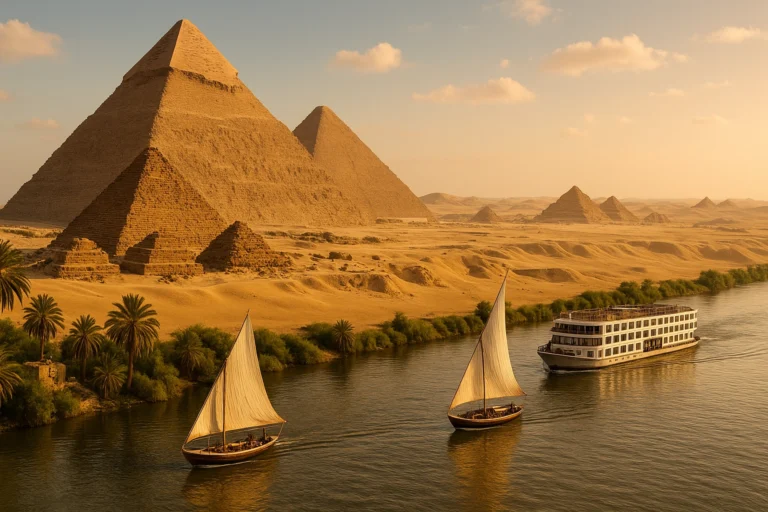 Egypt
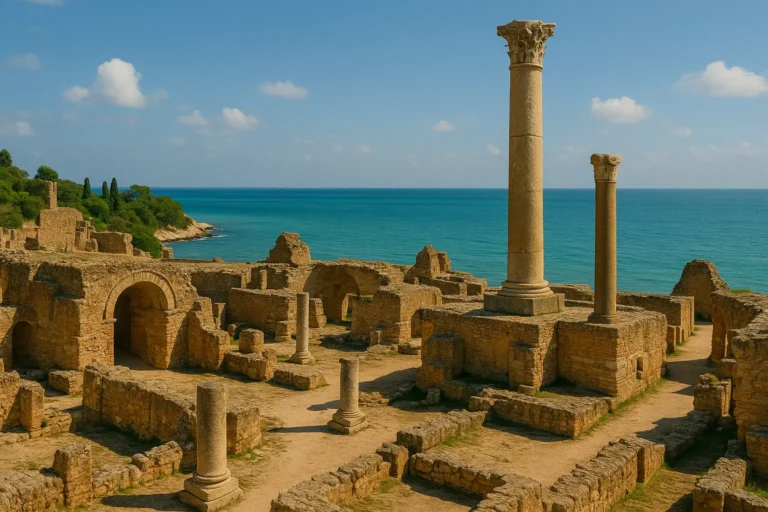 Tunisia
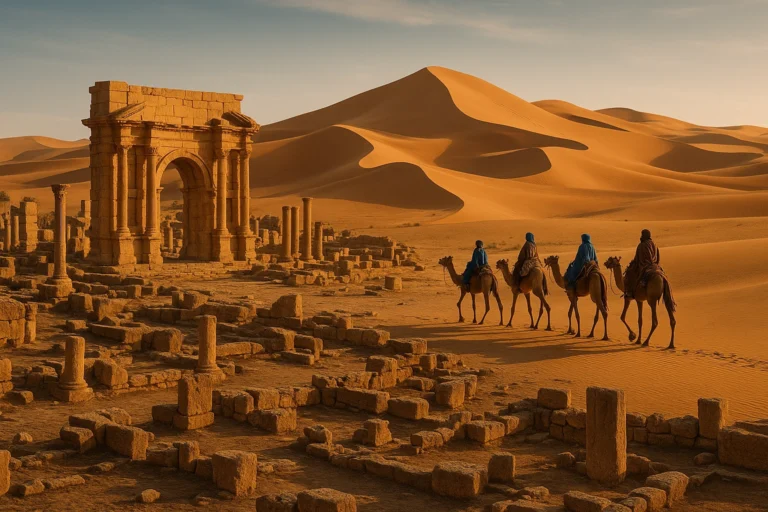 Algeria
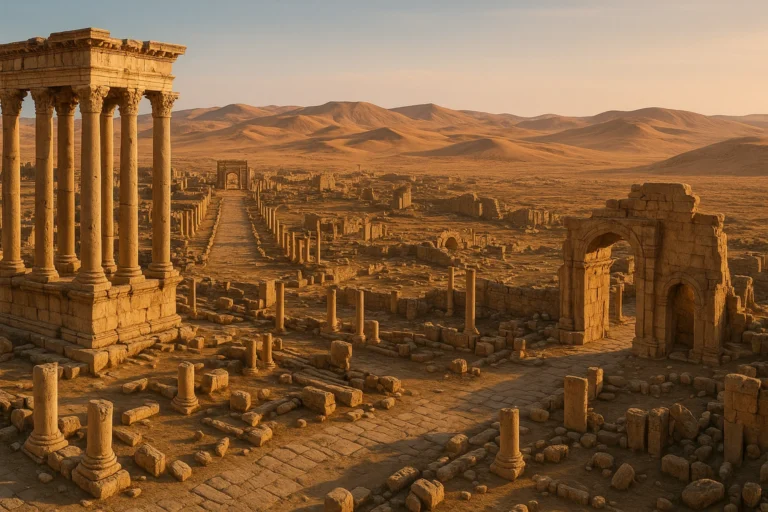 Libya
 Sudan
 Ghana